

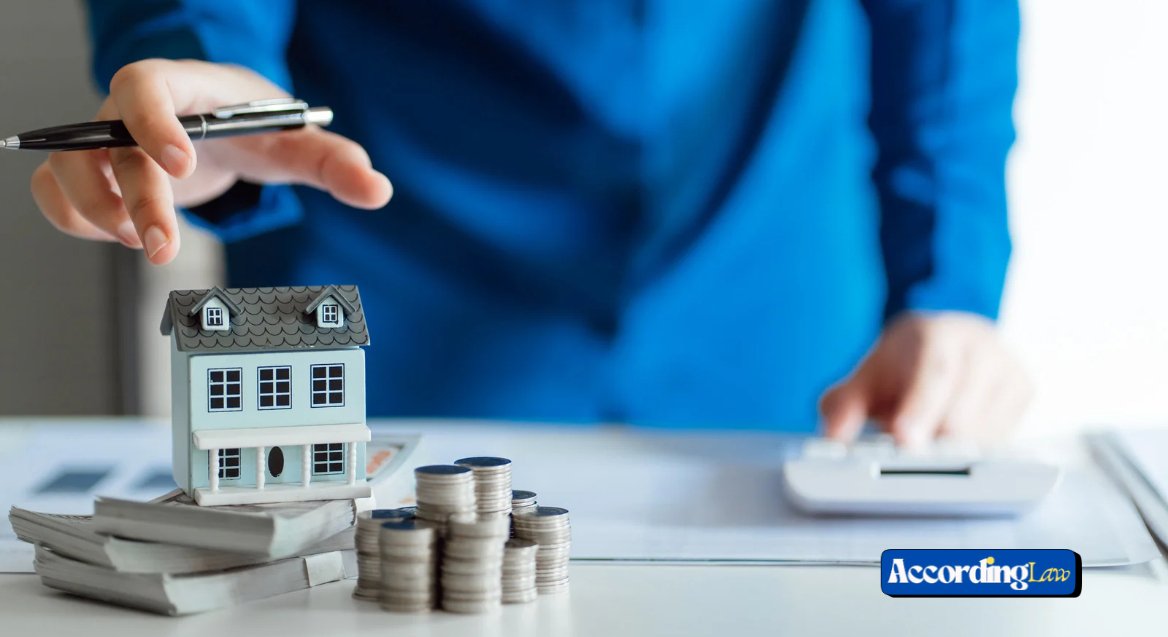
Property taxes are an important cost of owning a home or other real estate. These taxes help fund local services such as schools, roads, emergency services, and public programs.
When property taxes are not paid on time, the problem can grow quickly. Fees may increase, legal claims can be placed on the property, and in serious cases, the owner may risk losing the home.
Table of Contents
Late Fees and Interest Can Add Up
The first result of missing a property tax payment is usually extra cost. Local governments may add late fees, interest, or other charges to the unpaid balance.
These added costs can make it harder to catch up. A bill that seemed manageable at first may become much larger after several months. The exact amount depends on local rules. Some areas charge interest every month, while others use set penalties after certain deadlines.
If you know you may miss a payment, contact the local tax office early.
Unpaid Debt Can Lead to a Property Lien
When taxes remain unpaid, the government may place a tax lien on the property. A lien is a legal claim that is tied to the unpaid debt. This can make it harder to sell or refinance the home. In many cases, the lien must be cleared before ownership can be transferred.
A lien may also bring added legal costs and fees. These expenses can increase the total amount the owner has to pay.
Homeowners who want to understand the legal risks may also research topics such as tax foreclosure when learning how unpaid taxes can affect property rights.
Foreclosure May Become a Serious Risk
If property taxes remain unpaid for a long period, the local government may begin foreclosure steps. The exact process and timing depend on state and local law.
Foreclosure can lead to the loss of the property. It may also bring court costs, legal fees, and added stress for the homeowner.
In some places, the property may be sold to recover the unpaid tax debt. Rules about notice, deadlines, and any remaining sale money can vary.
Because these rules differ by location, homeowners should not assume they have the same amount of time everywhere. Local legal guidance may be useful when foreclosure becomes a possibility.
Taking Action Early Can Reduce the Damage
The best time to deal with unpaid property taxes is before the balance grows too large. Contacting the local tax office is often a good first step.
Ask whether payment plans, hardship programs, exemptions, or other forms of help are available. Some programs are limited to certain homeowners, so it is important to ask early.
You may also want to review your budget and decide which expenses can be reduced. Property taxes should not be ignored because the debt is tied directly to the property.
If the situation is already serious, consider speaking with a financial or legal professional. They can help explain local rules and possible next steps.
Conclusion
Not paying property taxes can lead to more than a simple late fee. The balance may grow, a lien may be placed on the home, and foreclosure can become possible.
The exact rules depend on where the property is located, so homeowners should understand their local deadlines and options.
Taking action early is usually better than waiting. By staying informed, contacting the tax office, and asking for help when needed, homeowners can reduce the chance of facing more serious financial and legal problems.
If you’d like to learn more, check out more articles on our blog.

