

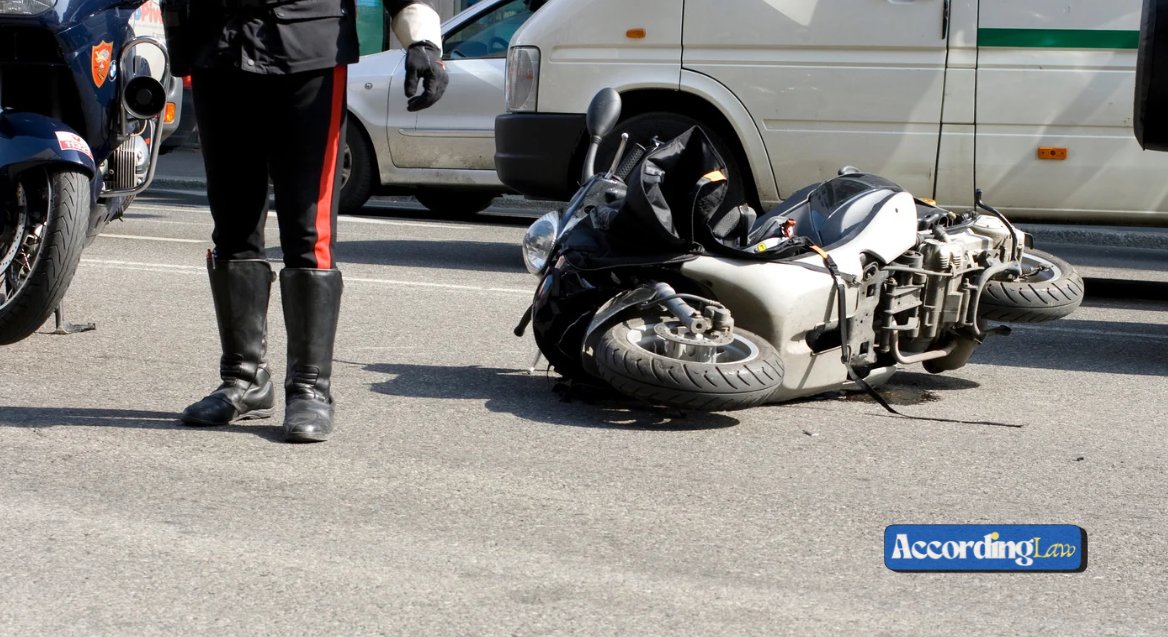
Motorcycle accidents can have life-changing consequences, leaving riders dealing with physical injuries, emotional distress and unexpected financial difficulties. Understanding your legal rights after a collision is an important first step towards recovery. If another road user was responsible for the incident, exploring motorcycle accident claims may help you recover compensation for your injuries and associated losses.
Table of Contents
Why Are Motorcyclists Particularly Vulnerable on UK Roads?
Motorcyclists face different risks from other road users because they have considerably less physical protection in the event of a collision. Unlike car occupants, riders do not have a surrounding vehicle structure, airbags or seatbelts to reduce the impact of an accident.
Even relatively low-speed collisions can result in serious injuries, particularly when a rider is thrown from their motorcycle or comes into contact with another vehicle or the road surface.
Some of the most common causes of motorcycle accidents include:
Identifying the cause of an accident is important when establishing whether another party may be legally responsible for the injuries suffered.
What Should You Do Immediately After a Motorcycle Accident?
The moments following a motorcycle accident can be confusing and stressful. However, taking appropriate steps can protect your wellbeing and help preserve important evidence if you later decide to pursue a compensation claim.
1. Prioritise Your Health
Your first priority should always be receiving medical attention. Even if your injuries initially appear minor, some conditions, including head injuries and internal injuries, may not produce obvious symptoms immediately.
Visit a hospital or contact a medical professional as soon as possible. Medical records can also provide valuable evidence of the injuries sustained and the treatment required.
2. Collect Evidence at the Scene
If you are physically able and it is safe to do so, gather as much information as possible about the collision.
Useful evidence may include:
This information can help establish how the accident happened and identify the parties involved.
3. Report the Incident
Depending on the circumstances, you may need to report the accident to the police. You should also notify your insurance provider in accordance with your policy requirements.
Keep copies of any correspondence, incident references and insurance documents, as these may become relevant later.
4. Keep Records of Your Expenses
Motorcycle accidents can create financial difficulties beyond the immediate cost of medical treatment.
Keep receipts and records relating to prescription medication, rehabilitation, travel expenses, motorcycle repairs and any income lost because of time away from work.
Having organised documentation can make it easier to demonstrate the financial impact of the accident.
What Injuries Can Result From Motorcycle Collisions?
The injuries associated with motorcycle accidents vary considerably depending on factors such as the speed of the vehicles, the point of impact and whether the rider was wearing appropriate protective equipment.
Some common injuries include:
The consequences of an accident are not always immediately apparent. Some injuries can develop or become more noticeable over time, making appropriate medical assessment particularly important.
Can You Claim Compensation If You Were Partly Responsible?
Not every motorcycle accident involves a single party being entirely responsible. In some situations, more than one road user may have contributed to the circumstances that caused the collision.
Under the principle of contributory negligence, an injured person may still be entitled to compensation even if their own actions contributed to the accident.
For example, a motorcyclist might have been travelling slightly above the speed limit when another driver negligently pulled out of a junction. Depending on the available evidence, responsibility could potentially be shared between the parties.
Where contributory negligence applies, the compensation awarded may be reduced to reflect the claimant’s share of responsibility. This means that being partly responsible does not automatically prevent someone from exploring their legal options.
What Compensation Could Be Available Following a Motorcycle Accident?
The amount of compensation available depends on the individual circumstances of the accident, the severity of the injuries and the financial consequences experienced by the injured person.
Generally, personal injury compensation is divided into two categories.
General Damages
General damages relate to the pain, suffering and loss of amenity experienced because of an injury.
When assessing this part of a claim, relevant considerations may include:
Special Damages
Special damages cover financial losses and expenses resulting from the accident.
Depending on the circumstances, these may include:
Keeping detailed financial records can help demonstrate the extent of these losses.
How Long Do You Have to Make a Motorcycle Accident Claim?
In England and Wales, personal injury claims are generally subject to a three-year limitation period under the Limitation Act 1980.
This period will usually begin on the date of the accident or, in certain circumstances, the date the injured person became aware of their injury and its connection to the incident.
There are exceptions to the general rule. Different provisions may apply to children and people who lack the mental capacity to conduct legal proceedings.
Because missing the relevant deadline can prevent a claim from proceeding, it is sensible to seek appropriate legal guidance as early as possible.
Why Is Specialist Legal Guidance Important?
Motorcycle accident cases can involve complicated questions about liability, medical evidence and the long-term consequences of an injury.
A solicitor experienced in personal injury and road traffic accident cases can help assess the available evidence, explain the relevant legal procedures and establish what losses may be recoverable.
They may also assist with obtaining medical reports, communicating with insurers and negotiating a settlement where appropriate.
For individuals concerned about the cost of legal representation, some solicitors offer No Win No Fee arrangements through Conditional Fee Agreements. These agreements have specific terms, including potential success fees, which should be explained before proceeding.
Understanding the agreement and any associated deductions is important before deciding whether to use this funding option.
Final Thoughts
Recovering after a motorcycle accident can involve much more than physical healing. Injuries may affect employment, finances, relationships and the ability to enjoy everyday activities.
Knowing what steps to take, keeping accurate records and understanding your legal rights can make the process less overwhelming.
If another road user was responsible for your accident, exploring the available legal options may help you obtain compensation for the harm and financial losses you have experienced. Seeking advice sooner rather than later can also help ensure that important evidence is preserved and relevant legal deadlines are not overlooked.