
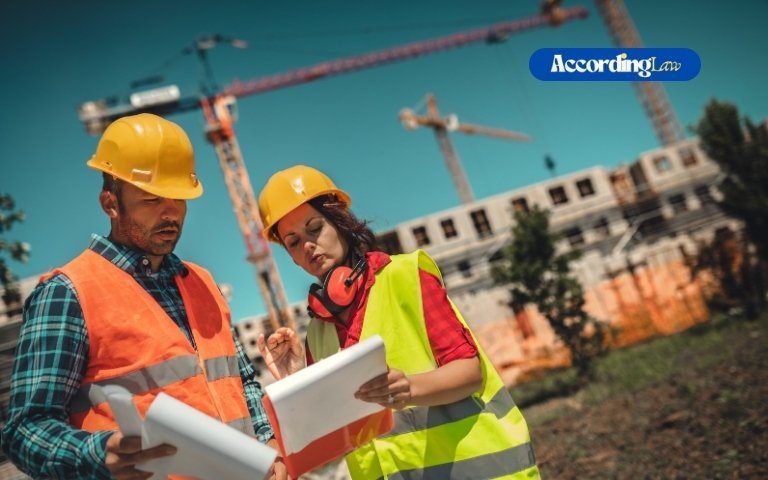
Construction work always carries risk, but those risks often look very different in the middle of a city compared to an open rural job site. In urban environments, workers operate in tighter spaces, surrounded by traffic, businesses, and pedestrians. These crowded conditions raise the likelihood of accidents and make the legal aftermath far more complicated. When something goes wrong, securing representation for injured construction workers in Oakland can be critical, since city projects demand a very different legal approach than rural ones.
Table of Contents
Key Legal Challenges in High-Density Construction Zones
Complicated Rules and Overlapping Standards
City projects are governed by layers of safety rules, federal, state, and local, that don’t always line up neatly. Oakland, for example, has building codes and pedestrian protection rules that can go beyond OSHA’s general requirements. An attorney reviewing a claim must sort through these overlapping standards to see where responsibility falls. Even something as small as how a barricade was set up or whether a warning sign was posted can determine if a contractor followed the law or created liability.
Many Parties, Many Responsibilities
Another major challenge comes from the number of players involved. Developers, general contractors, multiple subcontractors, and even city agencies may all have a role in one project. Each party has a contract spelling out its responsibilities, but in practice, those lines can blur.
When an accident happens, one contractor may argue that safety wasn’t their job, while another may deny responsibility for equipment maintenance. Untangling these claims requires lawyers to dig into contracts, safety meeting notes, and on-site supervision records to pinpoint exactly who failed to do their part.
Safety Risks in Crowded Areas
Urban job sites sit right next to homes, stores, sidewalks, and busy streets. That means an accident doesn’t just affect workers, it can endanger anyone nearby. A dropped tool, a crane malfunction, or scaffolding collapse can harm passersby as well as crew members. This proximity raises both the human cost and the legal complexity, since multiple victims and claims may result from a single incident. In such situations, maintaining thorough records of safety barriers, inspection logs, and site conditions becomes crucial for determining liability.
How Contractors and Safety Rules Collide
Coordination Breakdowns
Large city projects rarely rely on a single contractor. Instead, dozens of subcontractors may be working side by side, often with different crews, safety practices, and deadlines. Without strong coordination, essential tasks, like securing scaffolding or checking protective gear, can fall through the cracks. Attorneys often look closely at site management to see if there was a communication breakdown that made the environment unsafe.
Strict but Necessary Safety Standards
City regulations usually hold contractors to a higher bar than rural projects because the risks are greater. While federal OSHA standards create a baseline, cities may add extra requirements for fencing, pedestrian walkways, or noise and dust control. These rules are designed to protect both workers and the public, but they also create more chances for missteps. A single violation, such as failing to cover an excavation site near a sidewalk, can create liability if an accident occurs.
Why Legal Strategy Matters
Because urban construction cases involve so many moving parts, a careful legal strategy is essential. Attorneys must act quickly to secure evidence before the site changes, something that can happen within hours on a busy project. They also need expert input from engineers and safety specialists to explain how the accident unfolded and which party failed in their duty.
For workers, having representation for injured construction workers in Oakland ensures that someone is advocating for them in an environment where multiple parties are often more focused on protecting themselves than on supporting injured employees.
Final Thoughts
Urban construction sites are complex places where safety and liability are never simple. Dense populations, overlapping regulations, and competing interests among contractors all raise the stakes when an accident occurs. Workers caught in the middle of these dynamics need more than just basic legal support, they need advocates who understand how city projects operate and where responsibility often gets overlooked. By recognizing the unique challenges of urban sites, injured workers can take steps to protect their rights and pursue fair compensation.