

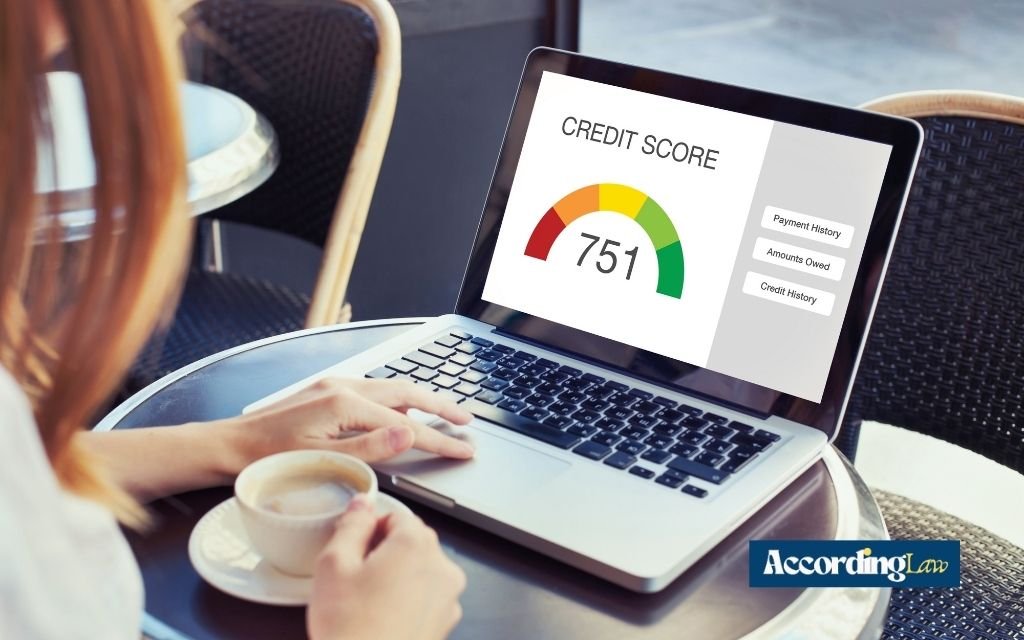
Credit reports play a critical role in shaping your financial identity. They influence your ability to secure loans, rent apartments, or even land certain jobs. When errors appear on these reports, the consequences can be far-reaching. That’s why it’s crucial to fix credit report errors quickly and accurately.
In New York, a city where access to credit often determines lifestyle and stability, consumers are particularly vulnerable to the effects of misinformation in their credit files. With fast-paced financial activity and multiple reporting institutions involved, a single discrepancy can create significant setbacks. Taking swift, informed action is key to improving your credit score and protecting your financial reputation.
Table of Contents
Review Your Credit Report
Start by getting a hold of the credit report from the biggest credit bureaus. Information may differ slightly between the bureaus, so you must review each one. Review the report carefully for any inaccuracies, such as false personal information, duplicate accounts, or incorrect payment histories. Our body of work is how we learn what to correct, and spotting these errors is the key to fixing them.
Document the Errors
It is crucial to track errors once they are identified. Create a compilation of all discrepancies and detail these inaccuracies, including account numbers and dates. Having this documentation will be extremely important when speaking to credit bureaus and creditors. Having well-organized records ensures that the process does not get hindered and any issues are resolved quickly.
Contact the Credit Bureaus
The next step is to contact the credit bureaus to dispute errors. This is usually done online, over the phone, or by mail. Carry all relevant documents and explain the mistakes in detail, along with the reasons why they need to be corrected. The chances of success for any dispute are largely a function of how well it is structured.
Reach Out to Creditors
Updating the creditors, in addition to those of the credit bureaus, is always a good idea. They might know more precise facts concerning the account. Ask them to do a local investigation of the dispute. Creditors can update their records if they find an error, which will later be shown in the credit report.
Follow Up Regularly
Staying proactive is essential. Ensure you stay in touch with each of the credit bureaus and the creditors to determine whether the dispute is being resolved. It could be something like logging into the dispute site or calling every couple of weeks. Tracking these interactions will help you maintain your cadence and follow up on next steps if any delays occur.
Verify Corrections
Confirm that corrections are made after the dispute process. Obtain a new copy of your credit report from all three bureaus to verify that the errors have been corrected. If the corrections aren’t reflected, you will need to reach out to the credit bureaus. Ultimately, the focus is on getting it right in the report.
Monitor Your Credit Regularly
Regularly monitoring credit helps avoid inaccuracies down the road. Several services offer credit monitoring and notify individuals of any changes to their credit reports. Being proactive helps to identify any new issues quickly. Monitoring becomes a useful asset for ensuring a good credit score.
Seek Professional Assistance if Needed
If going through the process yourself is too much for you, consider reaching out to a credit repair professional for help. These specialists can assist with advice and arbitration on behalf of customers. Although this service does not come for free, it may be a good option for those who are unable to resolve the issues on their own. Having the service of a good professional can help speed up the process of correcting them.
Importance of Educating Yourself on Credit Reports
It is essential for consumers to remain empowered by understanding their credit reports. Learn about the different aspects that impact your credit score and how information is reported. Being aware of the credit reporting process helps identify potential errors and correct them. Knowledge is the best antidote to either inaccuracy or neuroticism.
Conclusion
Fixing inaccurate credit data is possible if you do it the right way. Consumers can protect their financial health by tracking their credit reports, recording any inaccuracies, and maintaining an active dialogue with credit bureaus and creditors. Coupled with monitoring and teaching, this ensures that credit data represents actual behavior.