
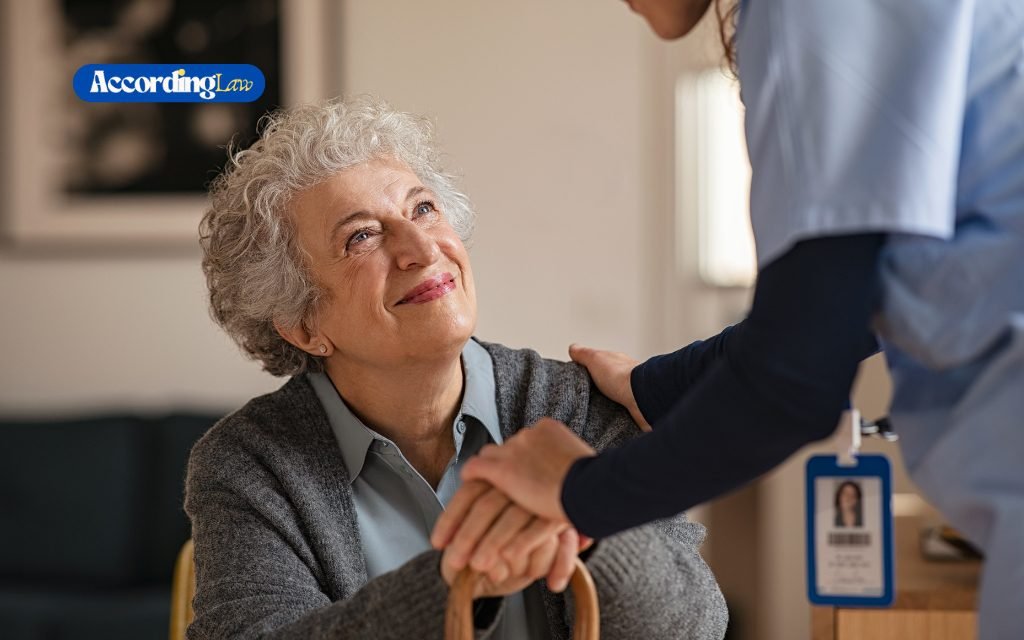
Oakland has always been a city defined by its diversity, activism, and deep sense of community. Its neighborhoods, from the historic districts to the thriving cultural centers, are home to generations of families who take pride in caring for one another. Yet within this strong community spirit, a quiet concern continues to affect some of its most vulnerable residents: the mistreatment of elders. As the city’s population ages, the responsibility to protect older adults from harm becomes increasingly urgent. The issue often remains hidden, and many community members may be uncertain about how to recognize the warning signs or what actions to take when something seems wrong.
Understanding how to respond is vital to ensuring that seniors live with the dignity and security they deserve. Identifying the signs of abuse, documenting the evidence, and seeking the right kind of professional help can make all the difference. A compassionate Oakland elder abuse lawyer can guide families through each step of the process, ensuring that concerns are addressed appropriately and that victims receive the protection and justice they need to feel safe again.
Table of Contents
Identifying Warning Signs
Signs of elder abuse may include bruises and burns. Withdrawal or fearfulness can also indicate abuse. Unexpected changes in the elderly individual’s finances, as well as the disappearance of personal belongings, may indicate financial exploitation. You should be mindful of changes in behavior, since this is often the first cue.
Talking with the Elder
Handle the conversation with respect and with care. Instead of making assumptions or accusations, ask a question. Encourage the senior to express themselves and listen without interruption or judgment. Let them know that you are there to help and that it is okay to be honest. Occasionally, older individuals may be too apprehensive or embarrassed to tell their story. It is important to be patient during these conversations.
Documenting Observations
Document any injuries, changes in their personality, and odd behavior. Maintain a record of dates, times, and occurrences in an appropriate chronological order. When raising a concern, photographs or written accounts can substantiate your claims. Documentation can help authorities understand the situation and take action swiftly.
Seeking Immediate Help
If someone is in immediate danger, contact emergency services right away. Safety must take priority in these circumstances. Quick intervention can prevent further harm and provide necessary medical attention. Emergency responders are trained to handle these situations with care and efficiency.
Reporting Concerns to Authorities
If you suspect abuse, contact local adult protective services or law enforcement agencies. Provide as much detail as you can, including documentation of the suspected abuse and any evidence you may have. Law enforcement possesses the necessary expertise to conduct investigations and safeguard the elderly individual.
Consulting with Professionals
Legal experts, doctors, and social workers can help you manage the situation. They can evaluate the circumstances and recommend appropriate actions. Healthcare providers can assess injuries and provide reports that can help with investigations. Social workers can help families access support services and resources for long-term care.
Supporting the Elder Emotionally
Reassure the individual that they are not alone and encourage them to discuss their feelings. Get them involved in activities that enhance well-being and self-esteem. Regular contact with friends and family can help restore trust and confidence.
Ensuring a Safe Environment
Spend time in the residence to identify potential risks. If needed, move the individual to another location and make sure it is safe. Community organizations can help with transportation, housing, or assistance with daily activities.
Raising Awareness in the Community
Share information about elder abuse with neighbors, friends, and local groups. Increased awareness helps others recognize warning signs and take action sooner. Organize or participate in educational workshops. Communities can create safer spaces for vulnerable individuals.
Encouraging Preventive Measures
Conduct regular check-ins, in person or remotely, with senior individuals. Encourage openness around finance. You should also ensure that caregivers are well-trained and have access to all the resources they need.
Conclusion
Taking action at the first sign of elder abuse is essential. Each step, from careful observation to professional intervention, ensures the safety of seniors. Compassion, vigilance, and prompt responses make a significant difference in protecting those who rely on us most. By staying informed and proactive, communities can work together to prevent harm and create a safe environment for every older adult.