

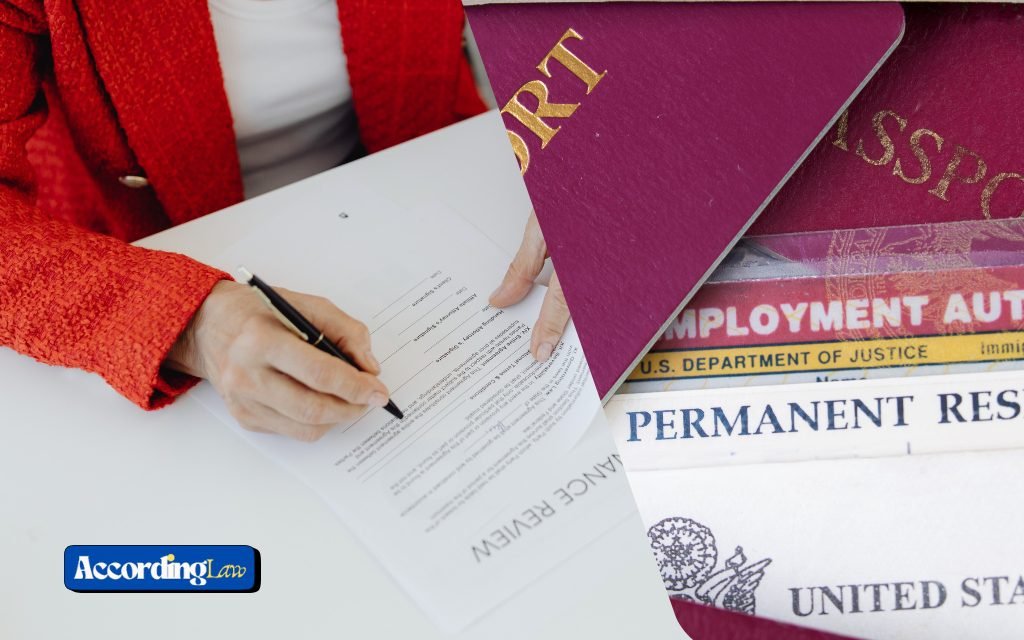
Getting a U.S. green card is a big step with long-term benefits. The process can feel complex, but you can break it into clear parts and build a plan that fits your situation. This guide walks through the major paths, shows how timelines and policy shifts affect you, and highlights practical steps so you can move forward with confidence.
Table of Contents
Stay Informed about Green Card Requirements
Rules and processing trends change, and those changes can shift your timing and choices. Check eligibility criteria for your category, follow monthly updates on visa availability, and keep an eye on form instructions as they get revised. Small updates can affect filing order, evidence, or whether a priority date is current.
EB-5 at a Glance: Investment, Jobs, and Project Diligence
The EB-5 category lets investors seek permanent residence by putting capital into a new commercial enterprise and creating jobs. To make a strong plan, study the capital rules, job creation math, and how targeted employment areas can affect your strategy. Investors should learn how the program defines qualifying positions and how to document those roles over time.
Many investors start by reviewing program basics, then drill into specific EB-5 requirements to confirm investment amounts, job targets, and sustainment rules. With a shortlist of potential projects, you can compare risk, third-party verifications, and regional center track records before committing. Careful diligence early can prevent expensive course corrections later.
Project selection tips
Main Paths to a Permanent Green Card
Most applicants fit into a few well-known categories. Family sponsorship covers spouses, parents, children, and certain relatives. Employment categories range from extraordinary ability to investors, and there are humanitarian options for refugees and asylees. There is also a diversity lottery with strict timing rules and limited slots each year.
Exploring residency options beyond the United States? We recommend reviewing this guide on the steps for getting permanent residency in Mexico from Lawyers-Mexico.org if you’re comparing long-term immigration pathways.
Quick overview
Timelines, Backlogs & Why the Visa Bulletin Matters
Visa supply is limited each year, and demand can push wait times up or down. The monthly Visa Bulletin signals whether your category and country are current, approaching current, or retrogressed. A recent U.S. Department of State bulletin in April 2025 noted that strong demand required retrogressing final action dates for certain EB-5 unreserved categories to stay within annual limits, which shows how quickly timing can change. This kind of movement can affect when interviews are scheduled and when permanent status is granted.
How to use the Visa Bulletin
Conditional Status and the Path to a Permanent 10-year Card
Some residents start with a 2-year conditional green card. This status is normal in specific categories and comes with a clock for removing conditions. U.S. immigration guidance explains that a conditional permanent resident receives a card valid for two years, and the person must file to remove conditions within a set window near the card’s expiration. Missing that window can complicate status and travel, so calendar reminders are essential.
For investors, removing conditions generally focuses on proving that the required jobs were created and that capital met sustainability rules. For marriage-based cases, it centers on showing the relationship is bona fide with shared life evidence. In both paths, start building your evidence binder early so you are not scrambling when the deadline arrives.
Smart Filing: Forms, Fees, Interviews & Common Pitfalls
Getting the basics right can save months. Read every form instruction carefully and match your answers to your supporting documents. If you are adjusting status in the United States, assemble identity records, admissibility evidence, medical exams, and category-specific documents before you file. If you are consular processing abroad, follow your case steps through the national visa workflow and keep your civil documents up to date.
Practical prep checklist
Interview day basics
Evidence that Strengthens Your Case
Well-labeled evidence makes it easier for officers to verify eligibility. For family cases, focus on shared housing, finances, and daily life documentation. Employment cases benefit from clear resumes, letters, licenses, and any category-specific proof. Investor filings should include thorough business plans, credible economic reports, and payroll records that show qualifying full-time jobs.
Build a forward-looking evidence plan
Getting a permanent green card is a project, not a one-day task. Break it into steps, keep your documents current, and monitor policy updates that affect your category. With steady progress and attention to detail, you can navigate the timeline and secure the long-term status you’re aiming for.