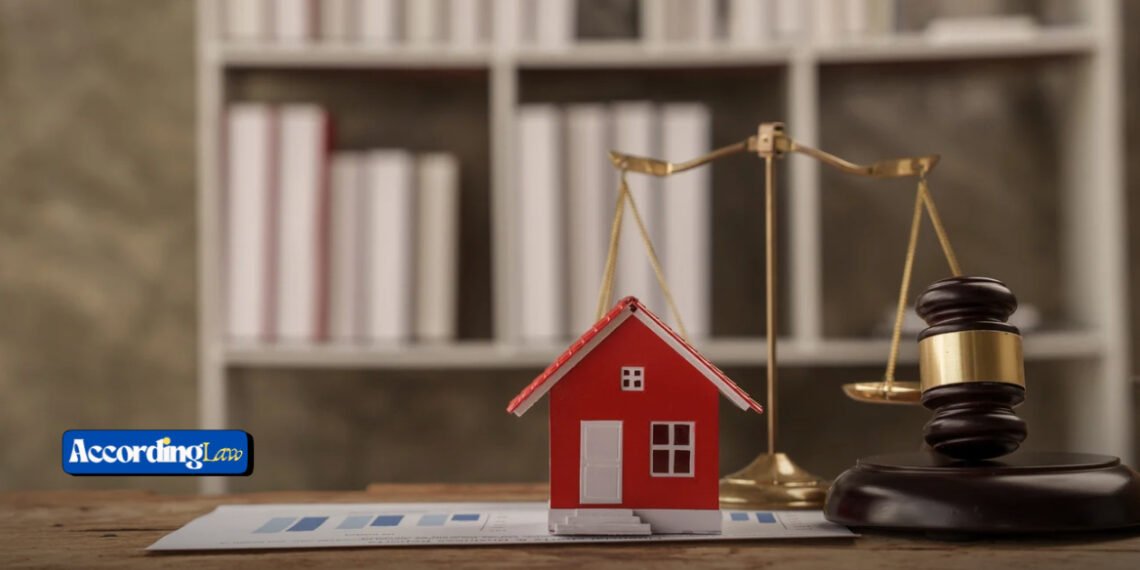

Property inspections are often seen as a routine task in rental management, but their importance goes far beyond checking boxes on a checklist. When conducted properly and legally, property inspections protect both landlords and tenants by preventing disputes, ensuring safety, and supporting compliance with housing laws. For landlords, inspections help safeguard a valuable investment. For tenants, they ensure a safe and livable home. Understanding the legal role of property inspections can help both parties avoid costly mistakes.
Table of Contents
What Are Property Inspections?
Property inspections are planned evaluations of a rental property’s condition that take place before a tenant moves in, throughout the lease term, or after a tenant moves out. Each inspection plays an important role, whether it’s documenting the property’s original condition, identifying maintenance concerns, or ensuring lease compliance, services professionally handled by JMK Property Management.
From a legal perspective, inspections provide written and photographic documentation that can be critical if disagreements arise. When done correctly, inspections protect everyone involved.
Legal Protection for Landlords
One of the primary legal benefits of property inspections for landlords is documentation. A detailed move-in inspection establishes the baseline condition of the property. This protects landlords from false damage claims and allows them to clearly distinguish between normal wear and tear and tenant-caused damage at move-out.
Regular inspections also help landlords meet their legal obligation to provide a habitable living environment. Most housing laws require landlords to maintain essential systems such as plumbing, heating, electrical, and structural elements. Inspections help identify problems early, reducing liability if an issue leads to injury or property damage.
In legal disputes, inspection records can serve as evidence. Courts often rely on written reports, photos, and repair logs to determine responsibility. Landlords who perform consistent, well-documented inspections are in a much stronger legal position if a tenant challenges deductions from a security deposit or claims negligence.
Legal Protection for Tenants
Property inspections also protect tenants’ rights. A move-in inspection ensures that tenants are not held responsible for pre-existing damage. By reviewing inspection reports and photos, tenants can confirm that issues were properly noted before they took possession of the unit.
During tenancy, inspections help ensure the property remains safe and livable. If problems such as mold, leaks, electrical hazards, or pest infestations are identified, landlords are legally required to address them in a timely manner. Inspections create a paper trail that shows tenants raised concerns and that landlords responded appropriately.
In cases where landlords fail to make repairs, inspection records can support tenants in legal or regulatory actions. This documentation helps ensure tenants are treated fairly and protected under housing laws.
Preventing Disputes Over Security Deposits
Security deposit disputes are one of the most common legal conflicts between landlords and tenants. Property inspections play a critical role in preventing these disagreements.
Move-in and move-out inspections allow both parties to compare the property’s condition over time. When damage is clearly documented, landlords can legally justify deductions. When no damage exists, tenants are protected from unfair charges. Clear inspection reports reduce misunderstandings and increase transparency, often preventing disputes from escalating to legal action.
Ensuring Compliance With Entry Laws
While inspections are important, they must be conducted legally. Landlords cannot enter a rental property whenever they choose. Most jurisdictions require advance notice, typically 24 to 48 hours, except in emergencies. Inspections must be scheduled at reasonable times and conducted professionally.
Failure to follow entry laws can expose landlords to legal penalties or claims of harassment. A professional property management company understands these requirements and ensures inspections are conducted in full compliance with the law.
Supporting Health and Safety Standards
Housing laws place a strong emphasis on health and safety. Property inspections help ensure compliance with these standards by identifying hazards such as faulty smoke detectors, water leaks, mold growth, or unsafe structural conditions.
Addressing these issues promptly not only protects tenants but also shields landlords from liability. If a tenant is injured due to a known hazard that was never addressed, the landlord could face serious legal consequences. Inspections help demonstrate due diligence and responsible property management.
Why Professional Inspections Matter
While landlords can conduct inspections themselves, professional property managers bring consistency, legal awareness, and experience. They know what to look for, how to document findings properly, and how to communicate issues without violating tenant rights.
Professional inspections are neutral and objective, which helps maintain positive landlord-tenant relationships. Tenants are more likely to cooperate when inspections are handled fairly and professionally, reducing tension and conflict.
Best Practices for Legally Sound Inspections
To maximize legal protection, inspections should follow best practices:
These practices create a clear timeline and factual record that benefits both landlords and tenants.
Read the article: Understanding Property Ownership for Family Homes
Conclusion
Property inspections are a powerful legal tool when used correctly. They protect landlords by preserving property value, reducing liability, and providing evidence in disputes. They protect tenants by ensuring safe living conditions and preventing unfair charges or treatment.
Rather than being seen as intrusive or unnecessary, property inspections should be viewed as a shared safeguard. With proper planning, legal compliance, and professional execution, inspections create transparency, accountability, and trust, key elements of a successful rental relationship.