

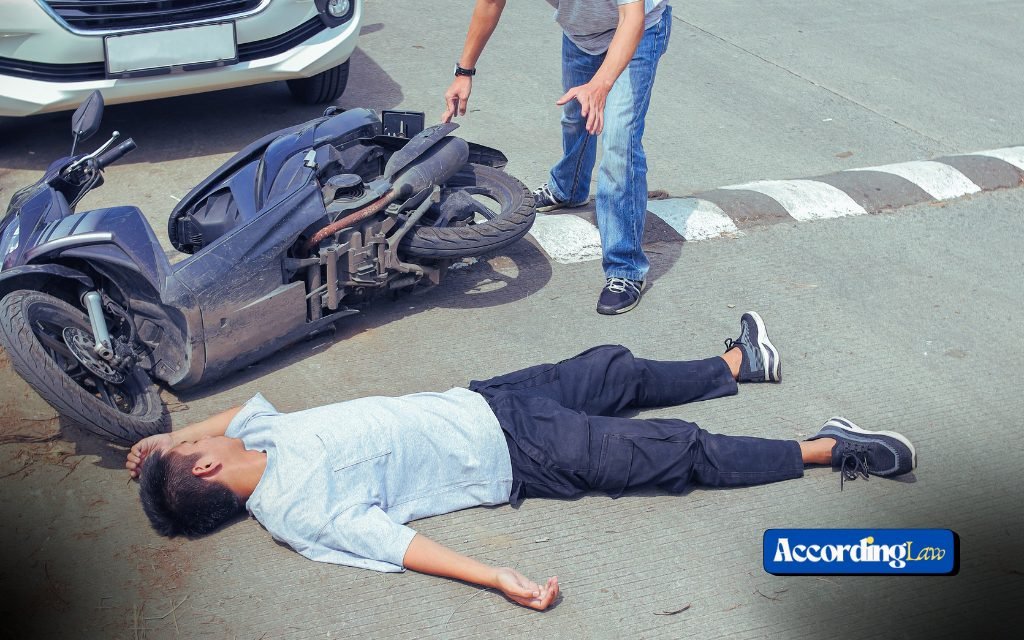
Motorcycling offers a sense of freedom that few other forms of transportation can match. But that freedom also comes with increased exposure to the environment. Unlike drivers in enclosed vehicles, motorcycle riders feel every shift in weather and every change in road conditions directly. Wind, heat, rain, debris, and poorly maintained pavement don’t just affect comfort, they significantly affect safety.
Understanding how environmental factors contribute to motorcycle accidents is important not only for prevention but also for protecting your legal rights if a crash occurs. Many riders assume that if weather or road conditions played a role, they automatically share the blame. In reality, that’s not always the case. Knowing how these factors are evaluated after an accident can make a meaningful difference in an injury claim.
Table of Contents
Why Weather and Road Conditions Matter More for Motorcyclists
Motorcycles rely on balance, traction, and visibility more than larger vehicles do. A patch of gravel or a sudden gust of wind that barely affects a car can cause a rider to lose control. Even experienced motorcyclists can find themselves in dangerous situations when conditions change quickly. From a legal standpoint, weather and road conditions are often misunderstood.
Insurance companies may argue that a rider “should have known better” than to ride in certain conditions. While rider responsibility does matter, it’s only one part of the equation. Road maintenance, driver behavior, and environmental hazards can all contribute to a crash in ways that aren’t immediately obvious.
Rain and Wet Roads: More Than Just Slippery Surfaces
Rain is one of the most common environmental contributors to motorcycle accidents. Wet pavement reduces traction, increases stopping distance, and makes it harder to maintain balance during turns. The first rainfall after a dry spell is especially dangerous, as oil and debris rise to the surface and create slick conditions. For riders, wet roads require slower speeds, gentler braking, and increased following distance.
However, even cautious riders can be caught off guard by standing water, poorly drained intersections, or uneven road surfaces hidden beneath puddles. When a crash happens, the presence of rain doesn’t automatically mean the rider was careless.
If another driver failed to adjust their behavior to the weather, by following too closely or making sudden movements, they may still be at fault. Similarly, if the road was known to flood or lacked proper drainage, liability may extend beyond the rider.
Heat, Sun Glare, and Sudden Visibility Loss
Extreme heat may not seem as dangerous as rain, but it creates its own risks. High temperatures can soften asphalt, reduce tire performance, and cause fatigue or dehydration for riders. Heat shimmer can distort vision, making it harder to judge distance or road texture. Sun glare is another underestimated hazard. Riding into a low sun during early mornings or late afternoons can temporarily blind a rider or nearby drivers. Intersections are particularly risky during these times, as drivers may fail to see an oncoming motorcycle until it’s too late.
In situations like these, responsibility often depends on context. A driver who turns across a motorcycle’s path because they were blinded by the sun may still be considered negligent. Environmental conditions explain why something happened, but they don’t always excuse unsafe behavior.
Road Debris, Construction Zones, and Maintenance Failures
Loose gravel, potholes, uneven pavement, and construction debris are especially dangerous for motorcycles. A small object in the road that a car can roll over safely may cause a rider to lose control instantly. Construction zones often introduce sudden lane shifts, reduced visibility, and surfaces that change without warning.
When a crash involves road hazards, fault may involve more than just the rider or another driver. Poor maintenance, lack of warning signage, or improper cleanup can all contribute. This is where understanding your options and keeping legal documentation and evidence on hand becomes important. Ideally, you’ll want to consult a legal professional who understands how environmental factors, road responsibility, and rider conduct are weighed together when determining fault and compensation.
Wind and Its Impact on Control and Stability
Strong winds pose a unique challenge for motorcyclists. Crosswinds can push a bike out of its lane, especially at higher speeds or on open highways. Sudden gusts near large trucks, buildings, or mountain passes can catch riders off guard. While wind is a natural condition, other drivers are still expected to operate their vehicles safely.
A driver who drifts into a motorcycle’s lane or makes an unsafe pass during windy conditions may still be held accountable. Riders are expected to take reasonable precautions, but they are not required to anticipate every unpredictable gust or driver error.
Poor Lighting and Nighttime Road Conditions
Night riding introduces reduced visibility, glare from headlights, and difficulty spotting hazards in the road. Potholes, debris, animals, and uneven pavement are much harder to detect after dark. If street lighting is inadequate or nonfunctional, these risks increase even further. In some cases, inadequate lighting may be a contributing factor in a crash. This doesn’t mean a rider is automatically at fault for riding at night.
The key question is whether all parties involved acted reasonably given the conditions. Documentation, such as photos of lighting conditions or witness statements, can be critical in these situations.
How Environmental Factors Affect Motorcycle Injury Claims
After a motorcycle accident, insurance companies often focus on environmental conditions as a way to reduce payouts. They may argue that the rider assumed the risk by riding in rain, wind, or poor road conditions. While assumption of risk can be a factor, it does not eliminate the responsibility of others to act safely.
Claims involving weather or road hazards often require more detailed evidence. This can include:
The goal is to show how conditions contributed to the crash without placing unfair blame on the rider.
Steps Riders Can Take After a Weather-Related Crash
Protecting your health always comes first, but once immediate concerns are addressed, there are steps riders can take to protect their claims:
Environmental factors fade quickly. Roads are repaired, debris is cleared, and weather changes. Early documentation can make a major difference later.