
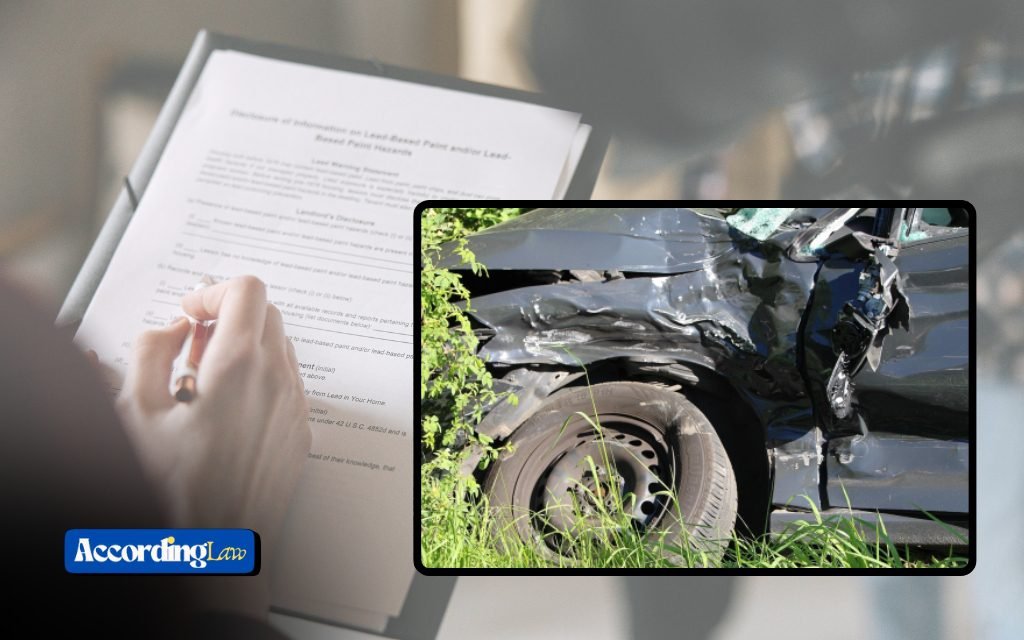
While car accidents happen daily, not everyone has been in one. When it happens to you, you might not recall what you’re supposed to do, or may only know to call the police.
According to A.J. Bruning, a St. Louis injury lawyer, the steps a person takes after their car crash are significant and can have a huge impact on whether they are blamed or denied their settlement from insurers.
Everyone should memorize this list in the event they get into an accident as it can help them protect their rights and streamline the process for their car accident settlement.
Legal Checklist to Follow After a Car Accident
This step-by-step legal checklist can help car accident victims have a potentially better outcome when seeking compensation for their injuries.
Check for Injuries and Call the Police
Since auto accidents are so sudden, you might sit there stunned in the aftermath. While it is shocking, quickly take stock of the situation. Check yourself and any passengers for injuries and call 911 to report the crash.
Get to Safety But Don’t Leave the Scene
Leaving the scene of an accident is a criminal offense, though if your vehicle is stuck in the roadway, it’s not safe. If possible, get out of your vehicle and off to the side of the road to avoid being struck. Stay on the phone with the 911 operator until officers arrive.
Speak to the Police
Once the police arrive at the scene of a major accident, they will check for injuries, and if paramedics haven’t already been summoned, they will make sure to get them there. The police will ask each party to detail what they recall of the accident. They will also take photos and talk to any witnesses. When they are finished with this on-scene investigation, they will give you a copy of the police report which you will want to keep in your records for evidence.
Exchange Critical Information
You are required by law to exchange contact and insurance information with all involved drivers. In the event the other driver refuses to cooperate, let the police know. Take photos of the license plate as part of your evidence. Some at-fault drivers leave the scene and having information about them means they can be located and held accountable for your injuries.
Start Documenting
In addition to getting photos of the other vehicle and its license plate, be as comprehensive as possible. The police will take photos though they may miss something that could be a tipping point for your case. You’ll also want to get pictures of any visible injuries, the traffic signals, and the entire surrounding area. If witnesses remained at the scene, collect their contact information and see if they’d be willing to record a voice memo or video detailing what they saw.
Get Medical Care Without Delay
If you noticed you were injured immediately after the accident, you should make sure to either tell the 911 operator or the officers who arrive at the scene. Most people who have serious physical injuries will be transported by ambulance to the nearest emergency room. Do not worry about evidence or photos if your condition is serious, nothing is more important than your health.
For many accident victims, injuries aren’t visible on the exterior, and coupled with the adrenaline caused by this traumatic event, it can easily mask any symptoms. One of the most important things to do is get a medical evaluation, even if you do not think you’re hurt. If you delay treatment, it can make recovering a fair settlement a bigger challenge.
Stick to the Facts and Avoid Apologies
Another issue that trips people up when making legal claims is when they say, “I’m sorry,” after an accident. You may have been raised with good manners, though in a car crash scenario, apologizing, even if you meant you were sorry this happened, can be used as an admission of fault. In states like Missouri where car accident laws are fault-based, you do not want a simple statement like this coming back to haunt you.
Inform Your Insurer
Although the driver who caused the crash will be held responsible for covering your injuries and damages, you still must report the accident to your own insurer. The other driver may blame you, and they will likely use your insurance information exchanged at the scene to file a third party claim. Telling your insurer about the accident is important for awareness, and it is usually required as part of the terms of your coverage.
Follow-Up with All Medical Care
After receiving initial medical treatment, you must follow what doctors advise for your condition. You may need to come in to see the same doctor or go to several specialists. Attend all of those appointments and keep all records of them for your case. Failing to follow doctors’ orders is viewed negatively by insurers who will insist you must not be as hurt as you say if you’re not going to get the treatment you need.
Organize All Documents and Evidence
You will need evidence to support your car accident claim with the insurer, and it will be important if you need to file a lawsuit later on. Organize a file to include your police report, medical records and expenses, photos and videos of the accident and your injuries, and all correspondence with insurers. Keeping a journal that logs your pain and limitations can also be helpful when seeking compensation for serious injuries.
Consult an Injury Lawyer
Insurance companies take advantage of the average person’s lack of knowledge about car accident laws and their legal rights. They may offer a quick settlement though it could be too low. Before you sign anything, set up a free consultation with a personal injury attorney who can make sure you’re being treated fairly during your insurance claim.
A lawyer can also negotiate and take over all correspondence on your behalf, letting you focus on getting well again. If the insurer keeps refusing to pay a fair settlement, blames you, or denies the claim, your lawyer will be prepared to step things up with a lawsuit. It’s never a bad idea to get sound legal advice after a car accident to ensure you understand your rights and options.