
What steps should you take first when facing marriage termination?
Understanding your options can help you feel more in control. If you are unsure where to begin, now is the time to learn and take action toward clarity. Marriage termination involves legal steps and emotional decisions.
Knowing the process helps you avoid delays and confusion. It also allows you to prepare for what lies ahead.
Table of Contents
Understanding Different Legal Paths
There are several ways to legally end a marriage. The most common path is divorce, which legally dissolves the union. Another option is annulment, which declares that the marriage was never valid. Legal separation is also available in some places, allowing couples to live apart without ending the marriage.
Each option has its own rules and outcomes. Divorce is often chosen when both parties agree that the marriage cannot continue. Annulment is more limited and depends on specific conditions. Legal separation may be helpful for couples who are not ready for a full break.
Filing the Initial Documents
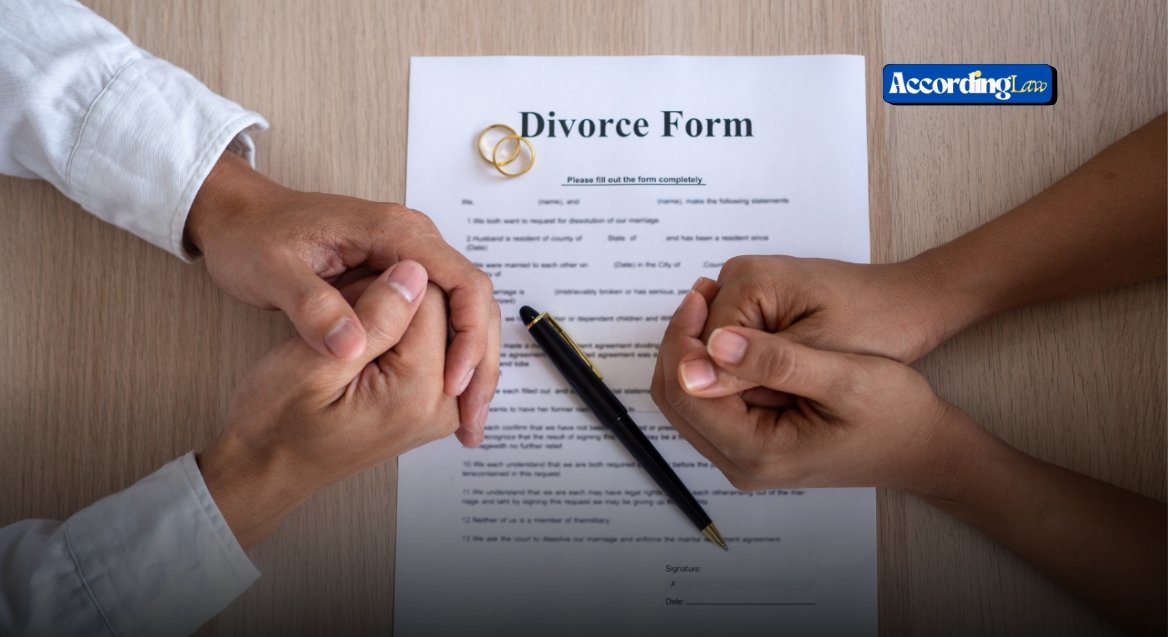
The legal process starts with filing a petition in court. This document outlines the request to end the marriage. It also includes details about property, children, and support. After filing, the other party must receive official notice.
This stage is important because it sets the direction of the case. Accuracy in documents helps prevent delays. Many people seek legal advice to ensure everything is correct. Clear paperwork makes the process smoother.
Resolving Key Issues
Couples must settle several matters before the marriage can end. These include division of property, child custody, and financial support. Some couples reach agreements through discussion. Others may need mediation or court decisions.
Using professional help can make this step easier. Lawyers and mediators guide both sides toward fair outcomes. For those exploring options like divorce, understanding these issues early can reduce stress. Agreements should always be written and approved by the court.
Attending Court Proceedings
In some cases, court appearances are required. A judge reviews the case and ensures all agreements are fair. If both parties agree on all issues, the process may be quick. If not, the court will decide on unresolved matters.
Preparation is key for court hearings. Bring all required documents and follow legal advice. Being organized helps present your case clearly. This step finalizes the legal process.
Finalizing the Marriage Termination
Once all issues are resolved, the court issues a final order. This document officially ends the marriage. It also outlines the terms agreed upon or decided by the court. Both parties must follow these terms moving forward.
After the final order, it is important to update personal records. This may include names, financial accounts, and legal documents. Taking these steps ensures a smooth transition into the next phase of life.
Final Thoughts
Marriage termination is a serious process that requires careful planning. Knowing the available paths and legal steps can make it easier to manage. Each stage plays a role in reaching a final outcome.
By staying informed and seeking guidance when needed, you can move forward with confidence. While the journey may be challenging, understanding the process helps you make better decisions for your future.