
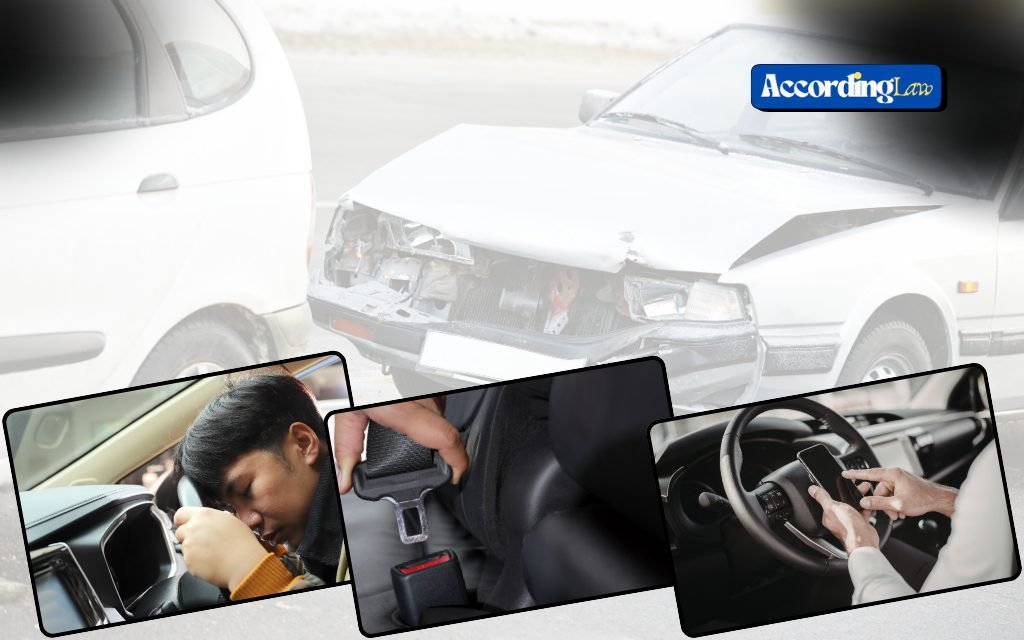
Car accidents remain a significant threat to public safety worldwide. Each year, countless individuals suffer from injuries, fatalities, and substantial financial losses due to preventable crashes¹. In addition to the emotional toll on victims and their families, these incidents also create an enormous burden on healthcare systems and infrastructure. By understanding the underlying causes of car accidents, drivers can take practical steps to protect themselves and others. For individuals who have already been involved in a collision, consulting a Denver car accident lawyer may provide crucial guidance in navigating legal challenges and recovering compensation, helping address both immediate and long-term consequences of the crash.
Many road accidents stem from habits that can be corrected through awareness and precautions. Prioritizing road safety is essential for all drivers. Regular education on safe driving techniques and acknowledgment of risky behaviors enhances safety for everyone. Practicing safe habits, like maintaining following distances, wearing seat belts, and heeding signage, significantly reduces accident risks.
Table of Contents
Distracted Driving
Distracted driving remains one of the leading causes of car accidents in the United States and worldwide. According to the National Highway Traffic Safety Administration (NHTSA), more than 3,000 fatalities and hundreds of thousands of injuries are linked to distracted driving each year. In 2022 alone, 3,308 people were killed in crashes involving distracted drivers, and in 2023, the number remained alarmingly high at 3,275 deaths.
These figures underscore the persistent and ongoing danger of distractions behind the wheel, despite widespread public awareness campaigns and stricter traffic safety laws. Activities like texting, eating, using GPS devices, chatting with passengers, or even adjusting music while behind the wheel can divide a driver’s attention and result in delayed reaction times. Reducing distractions by keeping mobile devices out of reach, staying focused on the road, and planning your route is essential for everyone’s safety.
Speeding
Speeding significantly increases the likelihood and severity of crashes. When a vehicle is moving at high speeds, even minor mistakes can have devastating consequences. Obeying speed limits and consistently adapting your speed in response to traffic and weather conditions are vital strategies for reducing collisions.
Driving Under the Influence
Alcohol and drugs directly impair cognitive and motor functions necessary for safe driving. When under the influence, judgment, coordination, and reaction times are severely reduced, making accidents far more likely. Every year, impaired driving is responsible for thousands of preventable deaths.
In the United States, on average, about 37 people die every day in crashes involving an alcohol-impaired driver³, according to the most recent CDC statistics. Even small amounts of alcohol or drugs can significantly impact your ability to operate a vehicle safely. If you ever plan to consume alcohol or drugs, arrange for a designated driver, use public transportation, or request a rideshare or taxi service to ensure safe travel.
Reckless Driving
Reckless driving encompasses aggressive behaviors such as tailgating, weaving in and out of lanes, running red lights, and making unsafe lane changes. These actions disregard the safety of other motorists and pedestrians, significantly raising the risk of accidents. Patience, following traffic signals, and practicing defensive driving can go a long way towards making roads safer for everyone.
Poor Weather Conditions
Adverse weather, including rain, snow, ice, and fog, poses unique challenges to drivers. These conditions can reduce visibility, reduce tire traction, and make vehicle control much harder. During poor weather, drivers should reduce their speed, increase following distances, and use appropriate headlights. It is always better to postpone your trip than to take unnecessary risks in extreme conditions, ensuring your safety and that of other road users.
Drowsy Driving
Fatigue affects a driver’s concentration and reaction times in ways similar to alcohol impairment. Drowsy driving contributes to thousands of crashes each year. Drivers may experience microsleeps, brief episodes of unconsciousness, which can result in veering off the road or missing critical cues. Getting enough rest before driving and taking regular breaks during longer journeys are basic safeguards against the dangers of fatigue.
Vehicle Defects
Mechanical failures, such as malfunctioning brakes, worn-out tires, or steering issues, can suddenly cause catastrophic accidents. Timely vehicle maintenance and immediate attention to manufacturer recalls are essential steps in preventing these types of crashes.
Running Red Lights or Stop Signs
Disobeying traffic signals and stop signs remains a frequent cause of severe intersection collisions. This risky behavior can lead to side-impact or “T-bone” accidents, which often result in serious injury or worse. Take extra caution when approaching intersections, always obey traffic controls, and double-check that cross-traffic has come to a halt before proceeding.
Conclusion
Recognizing the most frequent causes of car accidents and implementing safe driving behaviors is crucial for all motorists. By staying attentive, respecting traffic laws, avoiding distractions and impairing substances, and adequately maintaining their vehicles, drivers can take meaningful steps to protect themselves and others on the road. Choosing safety today helps secure a better tomorrow for everyone.