

According Law
  • Intellectual & Personal Law
    • Intellectual Property
    • Personal Injury Law
  • Legal Practice Areas
    • Family Law
    • Employment Law
    • Criminal Defense
  • Property & Financial Law
    • Tax Law
    • Real Estate
    • Bankruptcy Law
  • Legal Updates
No Result
View All Result
  • Intellectual & Personal Law
    • Intellectual Property
    • Personal Injury Law
  • Legal Practice Areas
    • Family Law
    • Employment Law
    • Criminal Defense
  • Property & Financial Law
    • Tax Law
    • Real Estate
    • Bankruptcy Law
  • Legal Updates
No Result
View All Result
According Law
No Result
View All Result
Home Legal Updates

Everything You Need to Know About Wildfire Litigation

Lucas Leo by Lucas Leo
December 17, 2025
0
Everything You Need to Know About Wildfire Litigation
Share on FacebookShare on Twitter

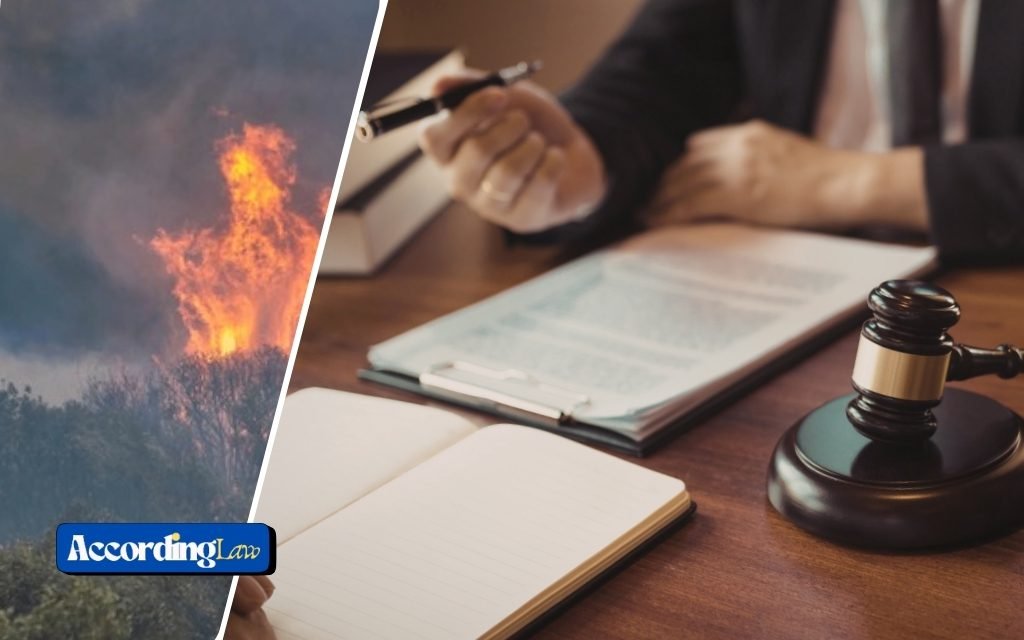
California is known for its beautiful landscapes, long coastline, and diverse communities. However, the state also faces a growing risk of wildfires due to dry conditions, strong winds, and expanding development near natural areas. 

Wildfires can spread quickly and cause devastating damage to homes, businesses, and entire communities. After a wildfire, many people seek guidance from experienced California wildfire attorneys to better understand their legal rights and recovery options.

Wildfire litigation is a legal process that allows individuals and businesses to seek compensation when a wildfire is caused by negligence. Understanding how this process works can help victims make informed decisions during a difficult time.

Table of Contents

  • What Is Wildfire Litigation?
  • Common Causes of Wildfires
  • Who Can File a Wildfire Claim?
  • Types of Compensation Available
  • Legal Process in Wildfire Cases
  • Why Legal Guidance Is Important
  • Timing and Deadlines Matter

What Is Wildfire Litigation?

Wildfire litigation involves legal claims brought by people who have suffered losses due to a wildfire. These claims often focus on determining whether a utility company, government entity, or private party acted negligently and caused the fire.

The goal of wildfire litigation is to help victims recover compensation for damages such as property loss, personal injuries, and economic hardship.

Common Causes of Wildfires

Wildfires can start for many reasons, but some common causes include:

  • Faulty electrical equipment
  • Downed power lines
  • Poor vegetation management
  • Equipment malfunctions
  • Human negligence

When a fire is linked to a preventable cause, those responsible may be held legally accountable.

Who Can File a Wildfire Claim?

Many people may be eligible to file a wildfire claim, including:

  • Homeowners
  • Renters
  • Business owners
  • Property managers
  • Individuals with personal injuries

Even those who did not lose a home may still have a claim if they suffered smoke damage, evacuation costs, or lost income.

Types of Compensation Available

Wildfire litigation may allow victims to seek compensation for a wide range of losses, including:

  • Property damage or total loss
  • Costs to rebuild or repair
  • Temporary housing and relocation expenses
  • Lost wages or business income
  • Emotional distress and personal injury

Each claim is different, and compensation depends on the specific losses suffered.

Legal Process in Wildfire Cases

Wildfire cases often involve complex investigations. Experts may review fire origin reports, utility records, and weather conditions to determine responsibility.

Many wildfire claims are handled through large group cases or coordinated proceedings to help manage the number of affected individuals. This process helps ensure claims are handled fairly and efficiently.

Why Legal Guidance Is Important

Wildfire litigation can be complex and time-consuming. Large companies and government entities often have strong legal teams defending them. Having legal guidance helps ensure that claims are properly prepared and deadlines are met.

Legal support can also help victims understand settlement options and what to expect throughout the process.

Timing and Deadlines Matter

Wildfire claims are subject to strict filing deadlines. Missing a deadline could limit or eliminate the ability to seek compensation. Acting promptly helps protect legal rights and preserve evidence.
Key Takeaways

  • Wildfire litigation helps victims seek compensation for wildfire-related losses.
  • Negligence often plays a role in wildfire cases.
  • Many types of losses may be covered, including property and income.
  • Wildfire cases involve complex investigations and legal procedures.
  • Meeting deadlines is critical to protecting your claim.
Lucas Leo

Lucas Leo

Hi, I’m Lucas Leo, an author and writer at AccordingLaw.com. I’m passionate about delivering the latest legal news and updates according law to keep you informed. Join me as I explore and share insights into the ever-evolving world of law!

Related Posts

Understanding Liability & Responsibility on Lafayette’s Roads
Legal Updates

Understanding Liability & Responsibility on Lafayette’s Roads

by Lucas Leo
December 22, 2025
0

Every time you start your car, you share responsibility for the well-being of others on the road. In Lafayette, this...

Read moreDetails

What Traders Should Know About KYC and AML Requirements

How an Immigration Lawyer Can Help With Work and Student Visas

Real Reasons Australians Don’t Write a Will and How to Start

How Waivers of Service Shape Legal Proceedings

Legal Pathways for Justice in Sexual Abuse Allegations

  • About
  • Contact
  • Privacy Policy
Email: contact@accordinglaw.com

Disclaimer: The content on According Law is for informational purposes only and should not be construed as legal advice. Always consult a qualified attorney for professional legal guidance.

© 2024 According Law - All Rights Reserved.

No Result
View All Result
  • Intellectual & Personal Law
    • Intellectual Property
    • Personal Injury Law
  • Legal Practice Areas
    • Family Law
    • Employment Law
    • Criminal Defense
  • Property & Financial Law
    • Tax Law
    • Real Estate
    • Bankruptcy Law
  • Legal Updates

Disclaimer: The content on According Law is for informational purposes only and should not be construed as legal advice. Always consult a qualified attorney for professional legal guidance.

© 2024 According Law - All Rights Reserved.

This website uses cookies. By continuing to use this website you are giving consent to cookies being used. Visit our Privacy and Cookie Policy.