Every day, businesses lose millions to poorly drafted agreements. A vague payment term here, an ambiguous deliverable there, and suddenly you’re in a dispute that costs far more than the original contract’s value. Yet most people have never formally drafted an agreement, and many who try operate without understanding the legal architecture that makes a contract enforceable.
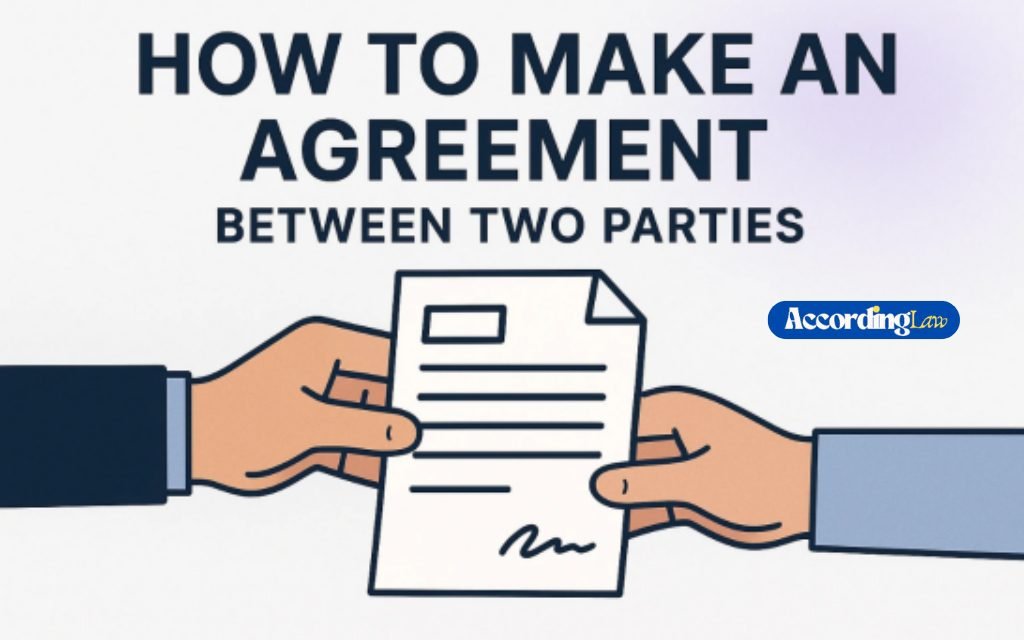
This guide strips away legal jargon and walks you through the exact process of creating a binding agreement, from foundational concepts to execution. Whether you’re negotiating a vendor deal, hiring a contractor, or partnering with another business, understanding how agreements work transforms you from someone signing documents to someone writing them with confidence.
The real opportunity? Modern contracting platforms has democratized this process. You no longer need a lawyer for every agreement, though knowing what makes a contract legally sound remains essential.
Table of Contents
Five Legal Foundations That Make Agreements Enforceable
Before you draft a single clause, you need to understand what actually makes an agreement binding. Courts won’t enforce a contract just because both parties signed it. It must contain five essential elements.
Offer and Acceptance. One party proposes specific terms, and the other accepts those exact terms without modification. This clarity matters legally. A vague email saying “let’s work together” isn’t an offer, it’s a preliminary discussion. A detailed proposal stating “We will deliver 500 widgets at $10 each, payment due within 30 days” is an offer. Acceptance must mirror that offer. If the other party responds, “Great, but we’d prefer 60 days,” that’s a counter-offer, not acceptance, and the negotiation continues.
Consideration. Both parties must exchange something of value, money, services, goods, or even a promise to do or not do something. One-sided agreements where only one party benefits aren’t enforceable. If you promise to give someone $1,000 with nothing expected in return, they can’t sue if you change your mind (legally, there’s no consideration). But if you promise $1,000 in exchange for them painting your house, that’s enforceable consideration.
Capacity and Legality. Both parties must have the legal authority to enter the agreement. Minors, for example, lack the capacity to sign binding contracts in most jurisdictions. The agreement’s purpose must also be legal; a contract to commit fraud or sell illegal goods won’t hold up in court.
Mutual Intent. Both parties must genuinely intend to be bound. Jokes, preliminary negotiations, or “what-if” discussions don’t count. This is why written agreements matter, they document serious intent.
Clear Terms. Ambiguity kills enforceability. “You’ll pay us soon” is too vague. “You’ll pay us $5,000 by the 15th of each month for 12 months” is enforceable because a reasonable person knows exactly what’s expected.
Step-by-Step Process: From Idea to Signature
Start with a template or existing agreement. Most businesses don’t draft contracts from scratch, they adapt proven frameworks. Contract templates specific to your industry provide the structural foundation. A service agreement, for example, has predictable sections: scope of work, payment terms, timeline, and dispute resolution.
Define what each party gets and gives. This is your consideration. Write it clearly: “Vendor agrees to provide social media management services. Client agrees to pay $2,000 monthly, due by the 5th of each month.” Vagueness here creates disputes. Specificity creates enforceability.
Address the practical details. When does the agreement start? How long does it run? What happens if one party wants to exit early? Include these mechanisms: payment schedules, delivery dates, performance metrics, and termination clauses. These aren’t optional flourishes, they’re the scaffolding that prevents misunderstandings.
Include risk allocation clauses. Every agreement involves risk. What happens if the vendor fails to deliver? What if circumstances change and neither party can fulfill their obligations? Standard clauses address liability limits, warranties, and remedies. A dispute resolution clause specifying that disagreements will be mediated or arbitrated rather than litigated saves enormous costs.
Get it in writing and sign. Verbal agreements are enforceable but notoriously difficult to prove. Written agreements create clarity and evidence. Both parties sign and date the agreement, confirming they understand and accept the terms. Electronic signatures now carry the same legal weight as handwritten ones in most jurisdictions, making digital contracts faster and equally binding.
Where Most Agreements Fail: Common Pitfalls and Solutions
Modern Advantage: Integrating Contract Management Into Drafting
The traditional process, lawyer drafts, parties negotiate, documents get emailed back and forth, creates delays and version control nightmares. Modern contract management software transforms this by enabling:
Concurrent collaboration. Multiple parties edit the same document simultaneously, seeing changes in real-time. Comments and tracked changes prevent confusion about who proposed what revision.
Template standardization. Organizations store approved language for common clauses, ensuring legal consistency across all agreements. New contracts build faster using pre-vetted frameworks.
Automated obligation tracking. Once executed, agreements don’t just sit in folders. Software extracts key obligations, payment dates, renewal deadlines, performance metrics—and alerts relevant parties before deadlines arrive.
Visibility and compliance. Centralized storage means your team always knows where contracts live and what’s required. This prevents missed renewal deadlines and helps track contract performance systematically.
This technology particularly helps when managing multiple contract types across departments, industries, or international boundaries where contract negotiations span multiple stakeholders.
Your Next Steps
Creating an agreement is achievable without a lawyer, but doing it right requires understanding the fundamental legal architecture. Use templates specific to your situation, ensure all five foundational elements are present, and be ruthlessly specific about terms, conditions, and obligations.
For significant agreements, especially those involving substantial sums or long-term relationships, have a lawyer review your draft. The cost of review is typically a fraction of the cost of disputes. And for organizations managing numerous agreements, investing in contract management systems pays dividends through reduced errors, faster execution, and better compliance tracking.
The difference between a good agreement and a bad one isn’t complexity, it’s clarity, completeness, and the discipline to define every expectation in writing.
FAQs
Q. Can I create a binding agreement without a lawyer?
Yes. As long as your agreement includes the five foundational elements and complies with relevant laws, it’s enforceable. However, lawyers provide value through experience spotting risks and jurisdiction-specific requirements. For high-stakes agreements, professional review is wise.
Q. What makes an agreement legally binding?
Written documentation of an offer and acceptance between parties with capacity, exchanging consideration for a legal purpose. Both parties must sign, confirming they understand and intend to be bound.
Q. How do I know if I need a lawyer to review my agreement?
If the agreement involves substantial financial obligation (typically $10,000+), long-term relationships, regulatory compliance, or intellectual property, legal review is prudent. For routine vendor agreements or service contracts under modest amounts, self-drafting using quality templates works fine.