
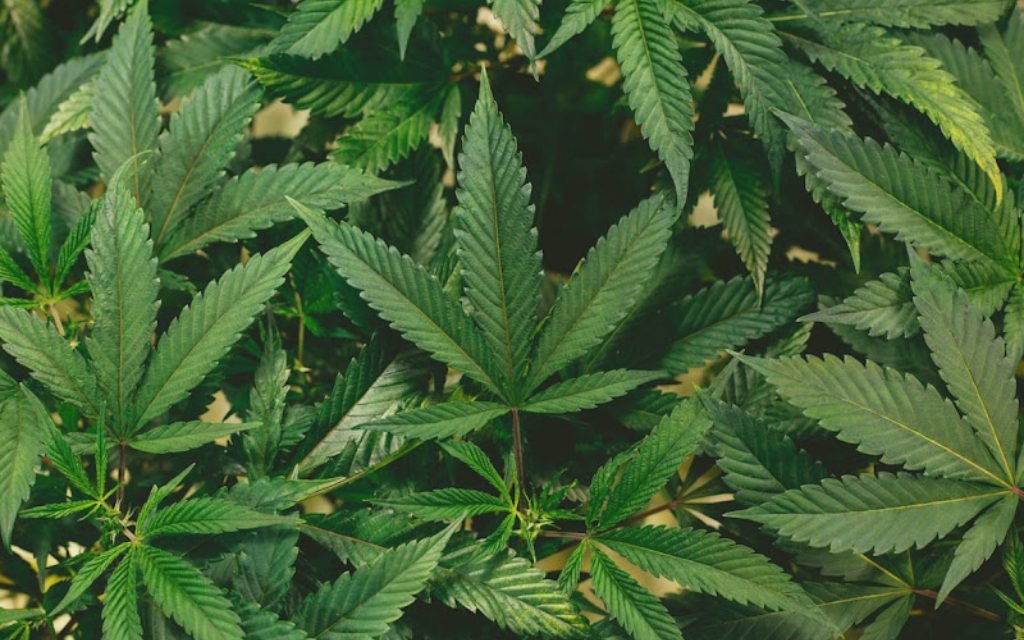
Cannabis law in the United States shifts faster than many people can track. Voters, legislators, regulators, and courts all pull in different directions as attitudes change and new data emerges. The result is a mix of opportunity, confusion, and risk for patients, consumers, businesses, and communities.
Understanding this evolution means looking at history, federal rules, state experiments, and social justice efforts together. Each piece shapes how cannabis shows up in daily life, from medical programs to retail stores and workplace policies.
Table of Contents
From Prohibition To Patchwork Legalization
For most of the twentieth century, cannabis sat firmly in the category of prohibited drugs at the federal level. Laws framed it as a criminal threat, and strict penalties fell hardest on marginalized communities. Arrests and incarceration for possession left long shadows on employment, housing, and education.
State-level change began with medical programs in the 1990s and early 2000s. Voters and legislators approved limited access for patients with qualifying conditions. These systems started small, with tight controls around cultivation and dispensing. Over the next two decades, more states added medical programs, each with its own rules, conditions, and product limits.
Adult-use legalization arrived later, driven by ballot measures and legislative action. Some states opened full commercial markets, others kept systems tightly constrained, and many still prohibit any non-medical use. The result today is a patchwork map where crossing a state line can change the legal status of the same product overnight.
State-Level Markets And Everyday Products
State-regulated cannabis markets now support a wide range of licensed businesses. Growers, processors, testing labs, distributors, and retailers operate under detailed rules that cover security, labeling, potency limits, and advertising. These regulations aim to balance consumer access with public health and safety concerns.
On dispensary shelves, cannabis appears in many forms. Patients and adult-use buyers see flower, concentrates, edibles, beverages, and topicals, all labeled with THC and CBD content. Branding brings its own layer, with product names ranging from straightforward medical language to creative labels such as Carbon Fiber cannabis strain that speak to experienced consumers and marketing trends. Availability still depends entirely on state law.
Someone living in a state with strict medical rules may only access low-THC products for certain conditions. Another person in a fully legal state may walk into a licensed store with a government ID and choose from dozens of products. Visitors must pay close attention here, since what is legal in one state may be restricted or banned in another.
Federal Law, Scheduling, And Policy Tension
At the federal level, cannabis remains in a strict category under the Controlled Substances Act. This status creates tension with state programs that regulate cultivation, sale, and use. Federal agencies hold authority over banking, interstate commerce, and tax policy, which means their stance shapes business conditions even in states that allow cannabis.
Guidance from federal departments has shifted, sometimes stressing enforcement priorities and sometimes signaling tolerance for compliant state programs. Leadership changes can alter these signals, which adds uncertainty for operators planning long-term investments in facilities and staff.
Social Equity, Expungement, And Justice Goals
As legal markets grow, more states acknowledge the long history of unequal enforcement of cannabis laws. Many communities experienced higher arrest rates and tougher sentences for the same conduct seen elsewhere. This history shapes social equity efforts that now appear in new legislation and regulatory frameworks.
Equity programs often seek to support business ownership for people from communities harmed by prohibition. Approaches include license preferences, fee reductions, business training, and access to capital programs. Success varies widely, and advocates continue to push for stronger implementation and oversight.
Business Compliance, Banking, And Tax Challenges
Cannabis businesses operate in a highly regulated environment. Licenses require detailed applications, background checks, security plans, and ongoing reporting. Inspections, product testing, and track-and-trace systems aim to keep products within legal channels and away from minors. Noncompliance risks fines, license suspension, or closure.
Banking presents one of the biggest operational hurdles. Many financial institutions hesitate to work with cannabis firms because of federal rules and compliance costs. Some offer services through specialized programs, while others remain cautious. As a result, many businesses juggle limited banking access, higher fees, and complex cash management practices.
Workplace Policies, Public Health, And Consumer Education
Legalization does not erase workplace responsibilities. Employers still set policies around impairment, safety-sensitive roles, and drug testing. These policies must navigate a changing legal environment, balancing employee rights, disability accommodation, and the need to maintain safe operations.
Public health agencies focus on youth prevention, impaired driving, and accurate product information. Campaigns stress storage away from children, careful dose awareness, and the risks of combining cannabis with other substances. Regulators often require warning labels, child-resistant packaging, and clear serving size guidance on legal products.

The legal framework around cannabis in America continues to shift, shaped by state experiments, federal debates, and community voices. Medical programs, adult-use markets, equity initiatives, and business regulations all move at different speeds, yet they intersect in everyday life for millions of people.
Anyone engaging with this changing field, whether as a patient, business owner, worker, or policymaker, benefits from current, state-specific information and careful attention to both risks and opportunities. Thoughtful choices today will influence how fairly and safely cannabis fits into American law and society in the years ahead.
Explore the Massachusetts big tobacco lawsuit and its impact on the evolving legal landscape of cannabis in America. Stay informed on legal changes!
Disclaimer: This article provides general information only and is not legal advice. Cannabis laws change often, so consult a qualified attorney or state authorities for guidance on your specific situation.