The strength of your car accident claim depends on the quality and variety of evidence you present. As soon as a collision occurs, details may begin to fade, memories shift, and vehicles are repaired. That is why it is important to document evidence as early as possible.
When you understand the types of evidence commonly used in car accident cases, you can protect your rights and improve your chances of fair compensation. Keep reading to discover what you need in these car accident cases.
Table of Contents
Why Is Evidence Important in Car Accident Cases?
Evidence is necessary in car accident cases because it provides the foundation to prove what happened and who was at fault. It also points to the extent of the damage. If there is no clear evidence, claims may simply be someone’s word against the other’s. Other mistakes during claims can also impact settlements.
This situation makes it harder to secure fair compensation. Strong evidence helps establish liability and supports the injured party’s version of events. It also enables insurers, lawyers, and courts to objectively evaluate the situation. Evidence also comes in handy for demonstrating the following:
If the evidence is stronger and more compelling, the case will also follow suit. This will increase the chances of a favorable outcome during negotiations or court proceedings.
6 Important Types of Evidence Needed in Car Accident Cases
In a car accident, if you wait longer to obtain evidence, it may become harder to secure it. There are several types of evidence you’ll need to prove your injuries and damages. Here are six important ones you must gather immediately after the incident:
Photos and Videos of the Scene
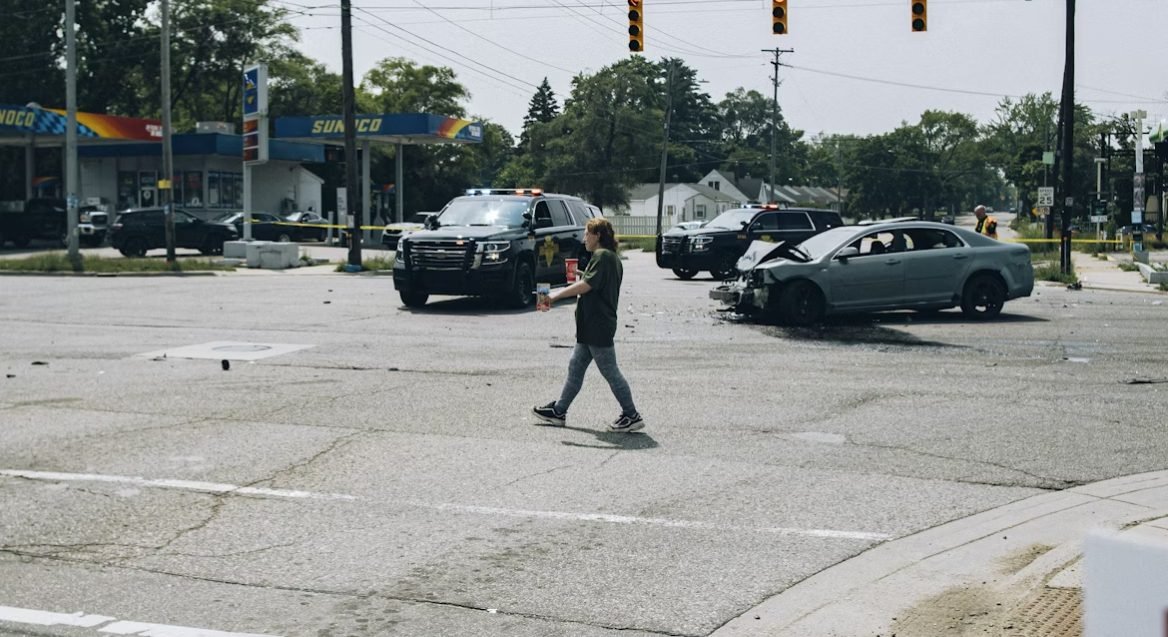
Visual evidence captures the immediate reality of a crash, preserving details such as skid marks, vehicle positions, and debris patterns. These records prevent the effects of said memories and disputed accounts by providing objective proof of road conditions and impact. They are necessary for accident reconstruction experts to determine fault and secure fair compensation in complex cases.
Witness Testimony
Witness testimony offers an important human perspective that cameras may not catch. Independent observers can accurately describe the behavior of drivers, traffic signals, and environmental conditions before the crash. These statements often corroborate accounts, helping to resolve conflicts between parties and establish a clear sequence of events.
Law Enforcement Reports
Law enforcement reports often serve as official third-party accounts of the incident. Officers typically record vital details, including weather conditions, citations issued, and initial assessment of fault. Since these records come from unbiased professionals, they carry significant weight. If you’re in the state, an Orlando car accident lawyer will help you obtain these reports when filing insurance claims and court cases.
Medical Records
Medical records describe the link between the accident and physical harm. They document the exact nature, severity, and necessary treatments of injuries. These records prevent insurance from dismissing claims as pre-existing conditions. They ensure that compensation actually reflects the scope of the victim’s recovery.
Black Box Data
Black box Data offers objective and technical shots of a vehicle’s final seconds before the crash. It reveals details, such as precise speeds, braking patterns, and steering angles, that human memory may struggle to recall accurately. Since this data offers clear facts about driver actions, it serves as the basis for accident reconstruction and determining liability in court.
Proof of Financial Losses
The proof of financial losses quantifies the economic effects of an accident. It transforms abstract hardships into specific damages recoverable in court. Collecting this evidence requires documenting lost wages, repair bills, and out-of-pocket expenses to get the exact monetary impact on a victim’s life. It ensures that settlement amounts are based on reality rather than estimates. That is why these accidents often depend on expert witnesses for valuation.
Endnote
To build a strong car accident case, you must collect the right evidence. These include photos and videos of the scene, witness statements, medical records, and law enforcement reports. It also helps to obtain black-box data and proof of financial losses.