

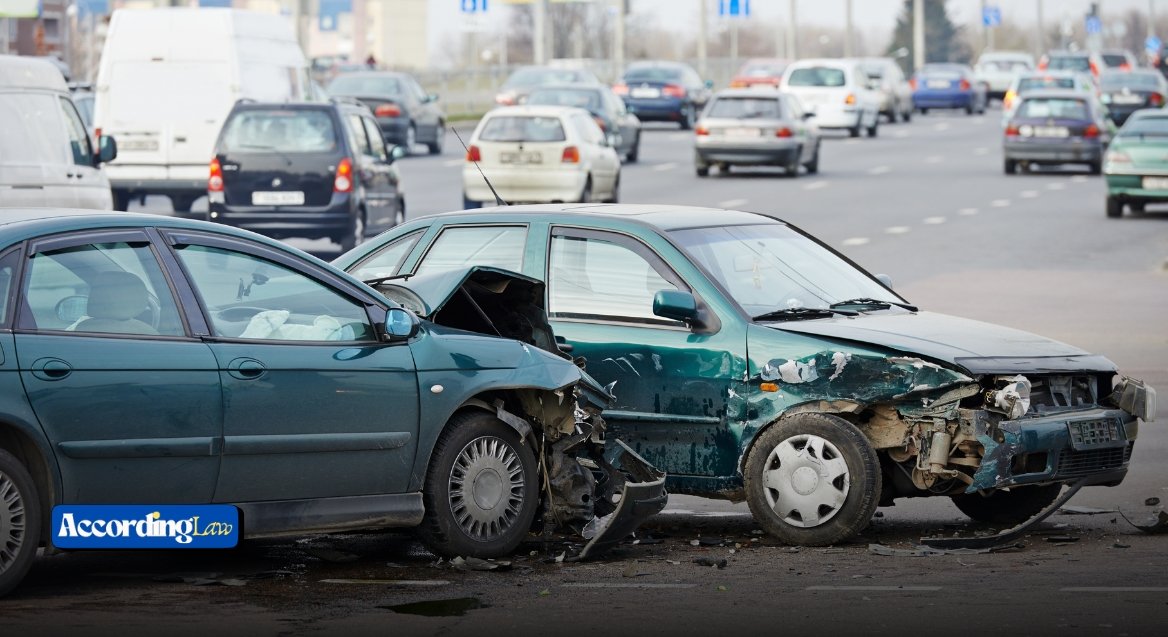
Many of the biggest mistakes you’ll make following a car accident happen before you even realize you’re making them. With all the commotion that happens after a crash, a couple of small choices can significantly hinder your ability to seek compensation.
“You’ll want to take a second to pause before saying or doing anything that could come back to hurt you. If you don’t know what to do next, it is better to get advice from an experienced car accident attorney in your state.” Says Ronald F. Wittmeyer, Jr., a managing attorney at Wittmeyer Injury & Accident Attorneys.
Here is a list of common car accident mistakes that you’ll want to avoid in order to build a better case for yourself.
Table of Contents
Delaying or Avoiding Medical Treatment
After an accident, you might not notice that you’re injured right away. The adrenaline might be hiding the pain, and the delay could lead to putting off treatment.
However, once you delay treatment too long, it can be more difficult to prove that your injuries were caused by the accident. Insurance companies may even claim that your injuries were minor or not related to the crash.
Seeking prompt medical care helps you establish an accurate timeline for your recovery. More importantly, it ensures you get treated for any injuries correctly the first time.
Failing to Contact Law Enforcement
In Illinois, calling the police on the scene of an accident generates a report of what happened. This document typically serves as a valuable document throughout your claim.
If no police report is filed, it can become difficult to determine who was at fault and what contributed to the crash. There’s a good chance drivers will give contradictory accounts, which can lead to problems later on.
Police officers can document vehicle positions, the weather, road conditions, visible damage, and statements from involved parties. They might also note if witnesses are present or if any traffic violations, drug/alcohol use, or other circumstances played a role in the crash.
Admitting Fault or Making Incriminating Statements
It’s completely human nature to want to talk about what happened or say something reassuring after an accident. However, you need to be careful with your remarks because insurance companies can twist your words.
Even saying “I’m sorry” to the other driver after an accident can be construed as an admission of fault. That statement alone could lead to an insurance or legal dispute later on.
It is recommended to keep your conversation focused on exchanging information, gathering details about the accident, and collaborating with the police. Ideally, leave the question of fault to the insurance adjusters, investigators, and lawyers who come later.
Neglecting to Gather and Preserve Evidence
Often, evidence is right there at the scene of the accident. This includes pictures of the scene, contact information of witnesses, and details about the vehicles involved. Any proof of your injuries needs to be gathered and documented at the earliest possible time. Over time, physical evidence will degrade and even disappear.
Documenting the evidence helps the insurance company and investigators accurately assess what really happened. It can also prevent disputes about who was responsible.
Handling Insurance Matters Without Legal Guidance
Insurance companies typically begin evaluating claims soon after an accident. Early conversations can influence how the claim is handled moving forward. Without guidance, you may provide information that is incomplete or misunderstood. This can affect how liability or damages are assessed.
Legal support can help you navigate these interactions more carefully. It allows you to respond in a way that protects your interests while the claim develops.
Conclusion
In the aftermath of a car accident, it is easy to feel pressure to respond quickly or move on. Rushing decisions without fully understanding the situation can create problems later, especially if you plan to file a personal injury claim.
If you have been involved in a crash in Illinois, consider speaking with a qualified attorney before making important decisions. An attorney can evaluate your situation, help protect your rights, handle communication with insurance companies, and guide you through the process so you can focus on recovery.