

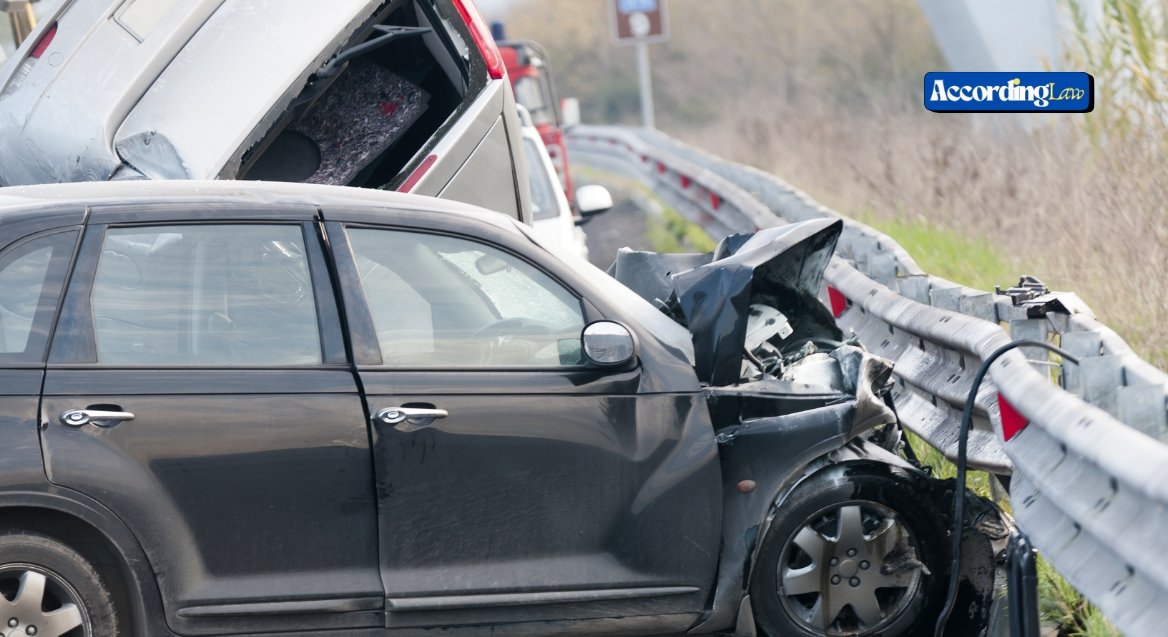
Every winter, Tampa Bay’s roads change character. Snowbirds arrive from the North, spring breakers head for the beaches, and visitors fill rental cars on their way to Busch Gardens, Clearwater, and St. Pete. Traffic on Interstate 275, the Howard Frankland Bridge, and Gulf Boulevard grows heavier and less predictable.
More drivers, many unfamiliar with local roads, means more crashes. Whether someone lives in Tampa year-round or is visiting for a week, knowing how Florida handles these crashes can make the aftermath far less confusing.
Table of Contents
Why Tourist Season Raises Crash Risk
Several factors combine during the busiest months:
The National Highway Traffic Safety Administration’s overview of risky driving covers behaviors such as speeding, distraction, and impairment, all of which become more common when roads are crowded with visitors.
Florida’s No-Fault System
Every Florida driver must carry personal injury protection, or PIP. It covers part of the medical costs and lost pay after a crash, capped at $10,000, and it pays without asking who caused the collision.
There is a catch: treatment generally has to start within 14 days, or the PIP benefit can be lost. Visitors from other states may be covered by their own policies, but coverage rules can differ, which sometimes creates confusion.
Residents and visitors dealing with serious injuries often contact a car accident lawyer in Tampa to sort out which policies apply, particularly when a rental car or out-of-state insurer is involved.
When Injuries Go Beyond PIP
Serious injuries may allow a claim against the at-fault driver. Florida law requires a showing of significant and permanent injury, scarring, or similar harm to recover non-economic damages such as pain and suffering.
Since the 2023 reforms, Florida splits fault on a modified basis. A person judged to carry more than half of the blame typically walks away with nothing from the other drivers. Evidence about lane changes and sudden stops, common in tourist traffic, often decides how fault is divided.
Rental Cars Add Complexity
Many tourist-season crashes involve rental vehicles. Questions often arise about whether coverage comes from the renter’s personal policy, a credit card benefit, the rental company’s coverage, or a combination.
Keeping the rental agreement, insurance paperwork, and contact information for the rental company helps sort these questions out. Photographing the rental car at pickup and after the crash can also prevent disputes over pre-existing damage.
Deadlines Still Apply to Visitors
For crashes after March 24, 2023, Florida gives injured people two years to file a negligence suit. Visitors who return home sometimes lose track of that timeline. Medical care received back home should be documented carefully, since those records connect ongoing treatment to the Florida crash.
A crash on a Florida road is normally judged under Florida rules, whether the drivers came from Ohio, Ontario, or Orlando. Any lawsuit also tends to stay in a Florida courthouse, even if the injured visitor has long since flown home.
Steps to Take After a Crash
The first steps can shape the entire claim:
Visitors should also save receipts for extended hotel stays or changed travel plans caused by the crash. Those costs may be part of the claim.
Learning the Basics
Legal systems can feel unfamiliar after a crash, especially away from home. According Law has a guide to basic legal knowledge everyone should know, which explains concepts that apply in many everyday legal situations.
Driving Safely When Roads Are Crowded
Everyone can reduce risk during busy months by:
A Busy Season, Handled Carefully
Tourist season brings energy and business to Tampa Bay. It also brings crowded roads and more crashes. Understanding Florida’s insurance rules, fault standards, and deadlines before the season starts helps both residents and visitors respond calmly and protect their rights if a crash happens.
The information here is general background on Florida crash rules for residents and visitors alike. It is not legal advice for anyone’s particular collision.