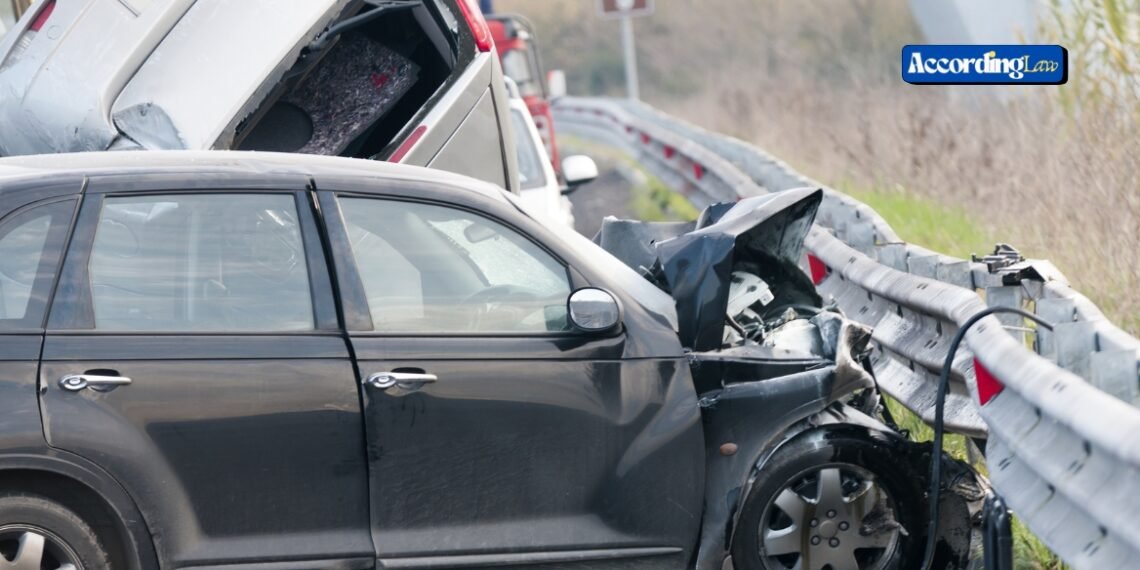


A car crash in Chicago today produces far more information than it did a decade ago. Dashcams record the moments before impact. Phones log location and speed. Vehicles store data about braking and acceleration. Even after the scene is cleared, data brokers may be quietly assembling information about the people involved.
All of that data can help clarify what happened. It can also complicate injury claims, especially when insurers use it to slow things down or challenge the injured person’s account.
Table of Contents
The Rise of Crash Data
Several sources of data now commonly appear in Chicago crash claims:
The National Highway Traffic Safety Administration, through its broader road safety resources, has long emphasized the role of data in understanding crashes and improving safety. That same data is now central to individual claims.
Dashcams Can Settle Disputes
Dashcam footage often provides the clearest account of a crash. It can show who ran a light, who changed lanes unsafely, or how fast a vehicle was traveling.
For injured people, footage can be decisive under Illinois’s modified comparative fault rule, which bars recovery when the injured person is more than 50 percent at fault. People who have footage, or who believe the other driver does, often contact Charlie Therman Injury & Accident Lawyers or other counsel to request preservation before it is overwritten.
Data Brokers and Insurance
Data brokers resell details pulled from phone apps, connected cars, and public records, and insurers are among the buyers, using that information to price policies and spot risky drivers.
In a claim, insurers may use available data to question an injured person’s activity level, driving history, or account of events. Social media posts and app data can also be raised to challenge the severity of injuries. A single photo from a family event can be presented out of context to suggest that someone is not really hurt.
The Problem of Delay
Extra data rarely speeds a claim up. Adjusters request more records, send footage out for review, and quibble over details before naming any number. Meanwhile, invoices keep arriving, and paychecks keep shrinking.
Delays can pressure injured people to accept lower settlements. Understanding that pressure, and the deadlines that apply, helps avoid rushed decisions. Keeping a simple log of expenses and missed work during the wait makes the eventual demand stronger.
Illinois Deadlines
In Illinois, the clock for filing an injury lawsuit usually runs out two years after the crash. A claim limited to a damaged vehicle or other property gets a longer window, typically five years.
A crash with a city truck or CTA bus carries tighter notice rules, so those claims cannot sit on a shelf.
Protecting Privacy After a Crash
Injured people can reduce the risk that data is misused by:
Privacy settings do not eliminate risk, but they reduce unnecessary exposure. Friends and family should also be asked not to post or tag photos during the claim.
Preservation Is Essential
Much of this evidence has a short shelf life. Looping dashcams can record over a crash within days, store cameras are wiped on rolling schedules, and a car sent to the body shop or salvage yard may take its stored data with it.
Requesting preservation quickly, often through a written letter, increases the chances that important evidence remains available. The request should name specific cameras, dates, and time windows to make compliance easier.
Finding Comprehensive Help
Crash claims involving data can require expertise in technology, insurance, and law. According Law has discussed comprehensive legal services from experienced law firms, and the article explains why some situations benefit from a team that can handle several issues at once.
Data and Fairness
Data can make crash claims more accurate. It can also be used selectively, creating a one-sided picture of what happened.
For Chicago drivers, understanding where crash data comes from, how insurers use it, and how to preserve it helps ensure that the full story is told.
This piece is meant as general background on Illinois crash claims. Anyone with a specific claim should get advice from a licensed attorney who knows the facts.