The concept of implied consent implies that you automatically accepted a chemical examination on breath, blood, or urine as soon as you accepted a driver’s license and began moving on the road.
If a police officer legally arrests you for suspicion of driving under the influence, that consent will apply. There is no need for you to sign any documents or say anything out loud, your driving license has already spoken for you.
If you refuse the test later on, you will still face serious penalties, beginning with license suspension, regardless of whether or not you are convicted of the DUI in court. This is a summary of the situation. Now let’s explain the details of what is the implied consent law, as the fine print is usually the place where most drivers make their mistakes.
Table of Contents
Understanding the Implied Consent Law
Consider the following question: Have you ever given your consent without the need to utter the word “yes”?
The majority of individuals do that regularly. One nods towards a waiter replenishing one’s glass of water where at that stage consent is understood.
Turning up for a recreational basketball match automatically implies that one accepts the possibility of push and shove around the basket. Driving is thus quite similar to the earlier cases but involves greater dangers. Implied consent is different from express consent in contrast to which the latter clearly states consent verbally or in writing.
Instead, it is the law that derives implied consent based on the actions of an individual, silence or circumstances the person willingly opts to be in. Courts derive it from customs (accepting physical contacts within a contact sport, necessity providing an emergency treatment to an unconscious patient or participation in a regulated activity like driving.
When an individual applies for the driving license or gets behind the wheel in any of the states in the USA, he or she implicitly agrees to undergo chemical tests in the case of being under arrest for drinking and driving. The law on implied consent was specifically.
How Does the Implied Consent Law Work?
The operation of the Implied Consent legislation is as follows:
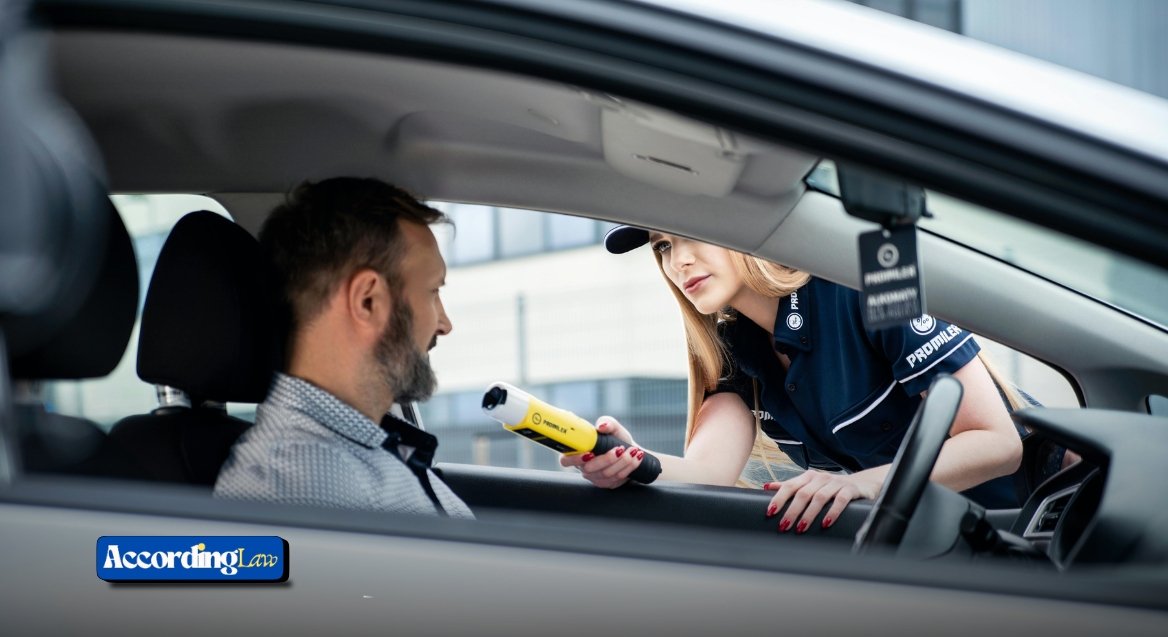
Afterward, the suspect can either consent to the test or refuse to take it. In both cases, there are certain implications resulting from the driver’s choice.
Legal Situations Covered Under the Law
Implied consent law applies to anyone operating a vehicle on public roads not just at the moment of arrest, but from the moment you first accept a driver’s license. That said, the testing requirement itself generally triggers only when:
There is one factor to point out:
Implied consent laws apply to the actual chemical test performed once you are arrested, rather than the preliminary breath test or field sobriety tests performed by an officer in the country prior to arrest.
Refusal to these earlier informal tests usually doesn’t result in the automatic license suspension, although it may still have an impact on the officer’s decision to arrest you.
Consequences of Refusing a Chemical Test
This is the segment that most individuals are interested in reading about, so let’s get into the details regarding penalties for implied consent law.
Types of DUI Chemical Tests
Implied consent laws generally apply to three types of chemical testing:
Which test you’re offered depends heavily on your state’s procedures and the specific circumstances of your stop.
State by State Differences in Implied Consent Laws
Does implied consent work the same way across all states? The underlying principle is universal, every U.S. state requires drivers to submit to chemical testing after a lawful DUI arrest. But the details diverge quite a bit once you look closer:
With all those variations in rules, it is essential to check state specific DMV rules instead of assuming that the rules are the same.
Frequently Asked Questions
Q. Can I refuse a breathalyzer?
Physically, yes no one can force the device into your mouth. Legally, refusal after a lawful arrest almost always triggers an automatic license suspension under your state’s implied consent law.
Q. What happens if I refuse?
You’ll typically face an administrative license suspension, possible fines, and in some states, prosecutors can use the refusal as evidence against you in a DUI prosecution.
Q. Is implied consent the same in every state?
The core principle is the same everywhere, but suspension lengths, hearing deadlines, and additional penalties vary by state. Always check your specific state’s DMV rules.
Q. Can the police force a blood test?
Generally, police need a warrant to compel a blood draw if you refuse, though some states have adopted “no-refusal” policies that streamline warrant approval during DUI stops.
Q. Does refusing mean I’m automatically guilty of DUI?
No. Refusal isn’t a conviction. But prosecutors can often mention the refusal in court, and many jurors interpret it as a sign of guilt, even without direct proof.
Q. Can I lose my license even if I’m not convicted?
Yes. Administrative license suspension tied to implied consent violations runs separate from your criminal case outcome. You can beat the DUI charge in court and still lose your license over the refusal.
Q. Does refusing a breath test suspend your license?
In most states, yes, and often immediately well before any criminal court date is even scheduled.
Final Thoughts
Implied consent laws serve an important purpose in traffic enforcement and encouraging compliance with chemical testing procedures where drivers are suspected of being under the influence.
Upon accepting a driver’s license, all motorists have, in most cases, accepted the state’s implied consent law.
However, be aware of the fact that a refusal to chemical testing has consequences, which may include license suspension and fines, and these consequences often vary significantly depending upon the state.
Familiarize yourself with your state’s laws regarding implied consent, and if you are charged as the result of your refusal, consult a local attorney to discuss your rights and the laws of your state.