

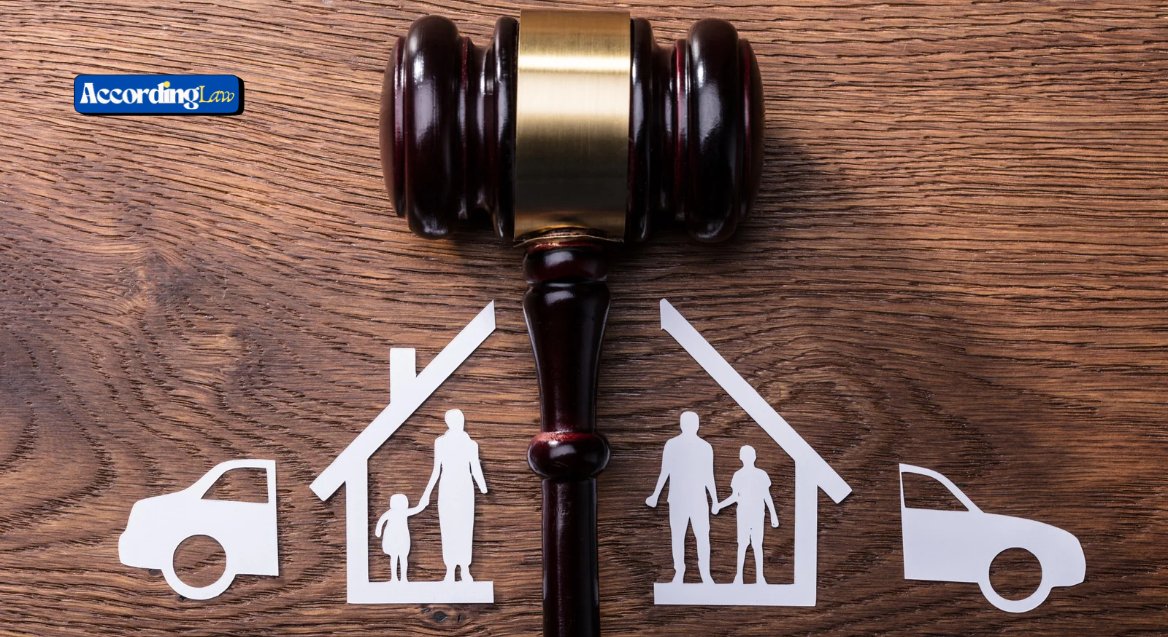
Not every couple experiencing marital problems is ready to end their marriage. Some decide to live apart for a while, hoping that time and distance will help them figure things out. Others know the relationship is over but aren’t sure whether separation or divorce is the right next step.
Although the two terms are often used interchangeably, they don’t mean the same thing legally. Both can affect your finances, living arrangements, and responsibilities toward your children. However, the biggest difference comes down to whether your marriage legally ends.
Understanding the difference between divorce and separation can help you make a more informed decision about your future.
Table of Contents
What Is Divorce, and How Does It Work?
Divorce is the legal process of ending a marriage. Once a court finalizes the divorce, the spouses are no longer legally married and are generally free to remarry.
However, ending the marriage isn’t the only matter that needs to be addressed. Depending on the circumstances, divorce proceedings may also involve property division, debt allocation, child custody, child support, and financial support between spouses.
For example, one spouse may request financial assistance during or after the divorce. Whether support is awarded depends on applicable state laws and factors such as financial resources, marital circumstances, and the needs of each spouse.
If you’re unsure about your financial rights, consider looking for an alimony & spousal support lawyer in your area. A qualified attorney can explain whether support may be available, what factors the court considers, and how financial obligations could affect your future.
Once the divorce is finalized, the marriage ends, although certain obligations established by the court may continue.
What Is Separation, and How Is It Different?
Separation generally means that spouses are living apart or have decided to stop living together as a couple while remaining legally married.
Some couples separate informally without involving the courts. Others establish written agreements covering expenses, parenting responsibilities, and living arrangements.
The legal options available depend on the state. For example, Georgia does not provide a traditional legal separation decree in the same way some other states do. However, spouses may pursue an action for separate maintenance under certain circumstances without obtaining a divorce.
Separation can also raise questions about children, particularly when parents begin living in different households or one parent considers moving farther away.
If a proposed move could affect an existing custody arrangement, looking for Atlanta custody relocation attorneys or experienced family law professionals in your local area may help you understand the legal requirements. Depending on the circumstances, relocating with a child may require compliance with an existing court order or further court involvement.
Unlike divorce, separation does not automatically end the marriage.
What Are the Key Differences Between Divorce and Separation?
Although both arrangements may involve living apart, their legal and practical consequences can be quite different.
1. Marital Status
The most significant difference is whether the marriage remains legally intact.
Divorce officially ends the marriage once the court issues a final decree. Separation, on the other hand, allows spouses to remain married even if they no longer share a home.
This distinction matters if either spouse wants to remarry. A separated person generally cannot legally marry someone else while the existing marriage remains valid.
2. Financial Responsibilities
Financial responsibilities don’t necessarily disappear when spouses separate.
Depending on state law and any applicable agreements or court orders, spouses may still have obligations involving household expenses, debts, or financial support.
During divorce, courts may address property division and support obligations as part of the final judgment.
Because financial rules vary, it’s important to understand how either option could affect your income, assets, and long-term responsibilities.
3. Property and Debt Division
Divorce generally provides a legal process for resolving how marital property and debts will be divided.
During separation, spouses may continue to own property jointly or remain responsible for certain financial obligations.
They may also negotiate agreements about how expenses and assets will be handled while living apart.
However, simply moving out doesn’t automatically divide marital property or eliminate responsibility for jointly held debts.
4. Child Custody and Support
Whether parents separate or divorce, their children’s needs remain important.
Both situations may require decisions about where children will live, how parenting time will be shared, and how financial support will be provided.
Depending on state law, parents may establish arrangements through agreements or court proceedings.
A separation doesn’t automatically give either parent sole custody. Existing court orders and applicable custody laws continue to matter.
5. Health Insurance and Other Benefits
Some couples consider separation because they hope to maintain certain benefits associated with marriage.
For example, a separated spouse may remain eligible for coverage under a partner’s employer-sponsored health insurance plan, depending on the plan’s rules and the type of separation.
Divorce may end eligibility for spousal coverage, although continuation coverage or other insurance options may be available.
Because benefits vary significantly, it’s important to confirm the rules with the relevant insurance provider or plan administrator before making a decision.
6. Possibility of Reconciliation
Separation may provide time for spouses to reconsider their relationship without legally ending the marriage.
Some couples use this period to attend counseling, work through disagreements, or decide whether they want to remain together.
Divorce, however, legally ends the marriage. If former spouses later reconcile and want to be married again, they would generally need to remarry.
Is Separation Better Than Divorce?
There isn’t one answer that works for every couple. Separation may be worth considering if you’re uncertain about ending the marriage, want time to evaluate the relationship, or have personal reasons for remaining legally married.
Divorce may be more appropriate when both spouses are ready to end the marriage and want a legal resolution of their marital status and related financial matters.
However, separation isn’t necessarily simpler or less expensive. Disputes over finances, property, or parenting responsibilities can still require legal assistance or court involvement. Before deciding, consider your financial situation, family responsibilities, and long-term goals.
What Should You Consider Before Making a Decision?
Start by thinking about what you hope to achieve. Are you looking for temporary space, or have you decided the marriage should end? Do you have shared property, outstanding debts, or children whose routines may be affected?
It’s also worth reviewing your income, housing arrangements, insurance coverage, and existing financial obligations. If you’re considering a formal separation arrangement or filing for divorce, speaking with a family law attorney can help you understand the options available in your state.
Final Thoughts
So, what is the difference between divorce and separation? Divorce legally ends a marriage, while separation allows spouses to live apart without necessarily changing their marital status. Both options can affect finances, parenting responsibilities, and future plans, but the legal consequences aren’t identical.
Before choosing either path, take time to understand your rights, review your circumstances, and consider how the decision may affect your long-term well-being. Getting appropriate legal guidance can help you move forward with greater clarity.