

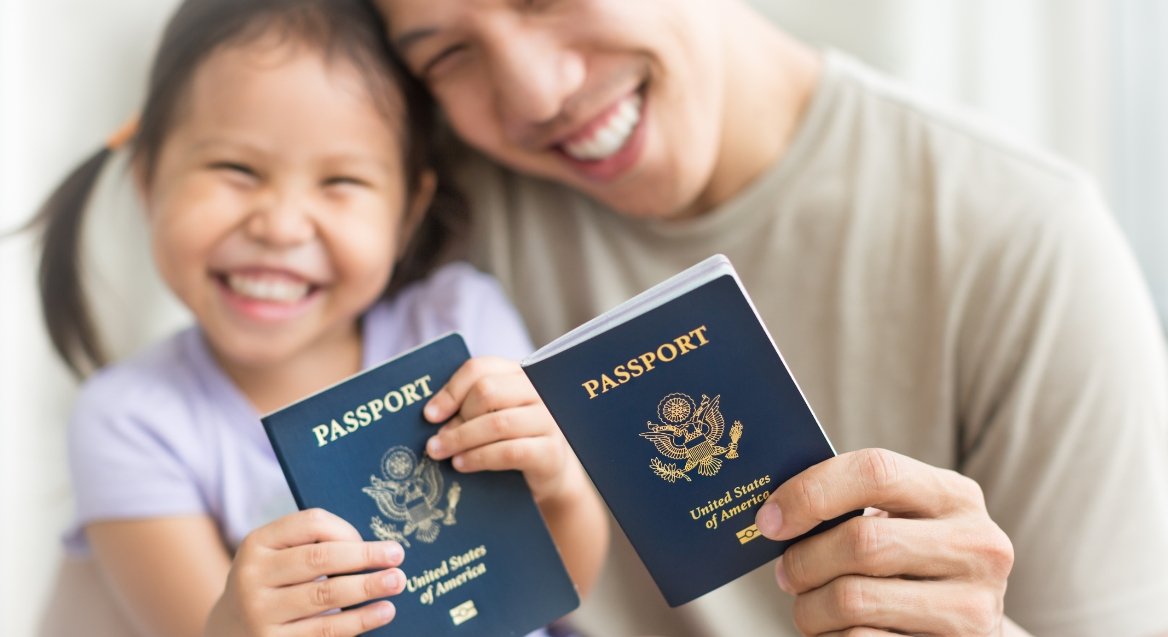
Immigration systems have moved online in many ways. Forms can be filed electronically, case status can be checked on a phone, and appointment notices arrive by email. Yet in family-based immigration cases, the outcome still depends heavily on something old-fashioned: documentation.
For families in Denver, Aurora, Colorado Springs, and across the state, a well-organized paper trail often makes the difference between a smooth approval and months of delay.
Table of Contents
How Family-Based Immigration Works
The sponsoring relative, a citizen or green card holder, files the opening petition, whose whole job is to prove the family tie is real.
U.S. Citizenship and Immigration Services explains the categories and steps on its family immigration page. A citizen’s spouse, unmarried child under 21, or parent (when the citizen is at least 21) has no yearly visa cap. Siblings, married children, and relatives of green card holders wait in a queue that can stretch for years.
Why Documentation Matters So Much
Every family-based case requires proof. The government needs evidence that the relationship is real, that the petitioner is eligible, and that the beneficiary qualifies.
Families who are unsure what evidence to gather often work with a family-based immigration attorney Colorado residents trust, since missing or inconsistent documents are among the most common reasons for delays and requests for evidence.
Proving the Relationship
The type of evidence depends on the relationship:
For marriage-based cases, the government looks closely at whether the marriage is genuine. Evidence of a shared life over time carries significant weight, often more than any single document.
The Financial Side
Nearly every family-based immigrant needs a sponsor to sign the affidavit of support, a binding promise to keep the newcomer off public assistance, backed by household income above a floor tied to the federal poverty guidelines.
Expect to hand over recent tax returns, pay stubs, and a letter from an employer. When the petitioning relative earns too little to clear the bar, a second person with enough income can sign on as a co-sponsor. Assets such as savings or property can sometimes help meet the requirement, but they must be documented clearly.
Consistency Across Documents
Small inconsistencies can cause big problems. Different spellings of names, conflicting dates, or gaps in addresses can trigger questions.
Reviewing every document before filing helps catch these issues. When records contain errors, explanations or corrected documents may be needed. Foreign documents generally require certified English translations, and some countries issue records that need extra steps to be accepted.
Interviews and Follow-Up
Many family-based cases include an interview with an immigration officer. Officers may ask about the relationship, living arrangements, and personal history.
Bringing original documents, organized copies, and updated evidence helps interviews go smoothly. Couples in marriage-based cases should be prepared to answer questions about their daily lives together. Officers may ask about routines, household responsibilities, and how the couple met.
Knowing the Basics
Immigration law is complex, but some basic legal knowledge helps everyone. According Law has a guide to basic legal knowledge everyone should know, which covers foundational concepts that apply in immigration and many other areas.
Avoiding Common Mistakes
Families can reduce risk by:
Scams targeting immigrant families remain common. Only licensed attorneys and accredited representatives may provide immigration legal advice, and checking credentials takes only a few minutes.
Staying Organized Over Time
Some family-based cases take years. Keeping a dedicated folder, physical or digital, for each case helps. Updating evidence as circumstances change, such as a move or a new child, keeps the file current. Anyone with a pending case who moves should tell USCIS about the new address, normally within ten days.
Paper Still Matters
Technology has made immigration filings more convenient, but documentation remains at the heart of family-based cases. Clear, consistent, and complete evidence helps officers understand a family’s story.
For Colorado families, careful preparation is one of the most effective ways to move a case forward.
Nothing here replaces advice from a licensed immigration lawyer who has reviewed the facts of a family’s case. It is offered only as general background.