


Falling behind on bills can feel overwhelming. You might be juggling credit cards, medical expenses, or unexpected financial setbacks and wondering what options you actually have. This is where understanding bankruptcy and having the right legal support can make a real difference.
LeViness, Tolzman & Hamilton focus on helping debtors understand their rights, explore relief options, and take practical steps toward a fresh financial start. If you are considering Chapter 7 bankruptcy, having experienced guidance can help you avoid costly mistakes and reduce stress along the way.
Consulting with Baltimore Chapter 7 Bankruptcy Lawyers can provide valuable guidance through this process.
Table of Contents
Understanding Chapter 7 Bankruptcy
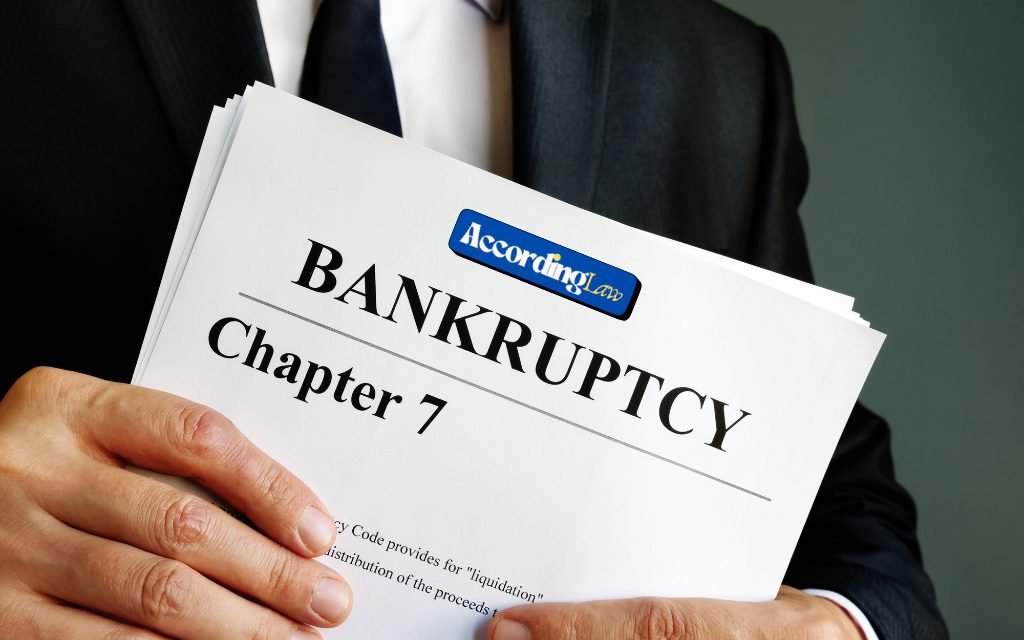
Chapter 7 bankruptcy is often described as a financial reset. It allows eligible individuals to discharge unsecured debts such as credit cards, medical bills and personal loans. If you qualify, many of these obligations can be wiped out, giving you breathing room to rebuild.
Your biggest worry is probably if you’re going to lose everything. In many cases, the answer is no. Maryland bankruptcy exemptions often protect essential assets like basic household goods or a vehicle. Many people who file Chapter 7 have little or no non-exempt property to liquidate.
How LeViness, Tolzman & Hamilton Supports You
One of the biggest challenges with bankruptcy is understanding the legal process. This is where LeViness, Tolzman & Hamilton can step in. Their role is to help you make more informed decisions and ensure your paperwork is handled correctly.
They can assist you by:
Most bankruptcy problems come from incomplete or incorrect filings. Having guidance helps reduce that risk.
Eligibility And the Means Test
Not everyone qualifies for Chapter 7 bankruptcy. Eligibility is largely determined by the means test, which compares your household income to the state median. If your income falls below that level, you may qualify automatically.
If your income is higher, the test looks at allowable expenses to determine whether you still qualify. This step can feel confusing. Small errors in calculations can affect your outcome. Legal support helps ensure the information you submit is accurate and complete.
Filing Process
The filing process starts with gathering documents. This includes tax returns, pay stubs, bank statements and a list of creditors. These details are used to prepare your bankruptcy petition.
Once filed, your case enters a review period. You will attend a meeting of creditors, often called a 341 meeting. This is where a trustee verifies your information. You must also file claim paperwork correctly to meet court requirements. Accuracy matters here. Mistakes can delay your case or cause complications.
What Happens After Bankruptcy?
After your Chapter 7 bankruptcy is complete, eligible debts are discharged. This means you are no longer legally responsible for paying them. For many people, this moment feels like a weight lifts.
That said, bankruptcy is not the end of your financial journey. It’s the beginning of rebuilding. You may need to focus on budgeting, rebuilding credit and making more thoughtful choices. Many filers begin improving their credit within one to two years by using responsible credit habits.
A Clearer Path Forward
Debt can make you feel stuck, but options exist. Chapter 7 bankruptcy is designed to help people regain stability, not to punish them. With guidance from LeViness, Tolzman & Hamilton, you can better understand the process, avoid common pitfalls and move forward with confidence.
If you are feeling overwhelmed, asking questions and learning your options is a powerful step. The right support can turn a stressful situation into a more manageable plan for a better financial future.