
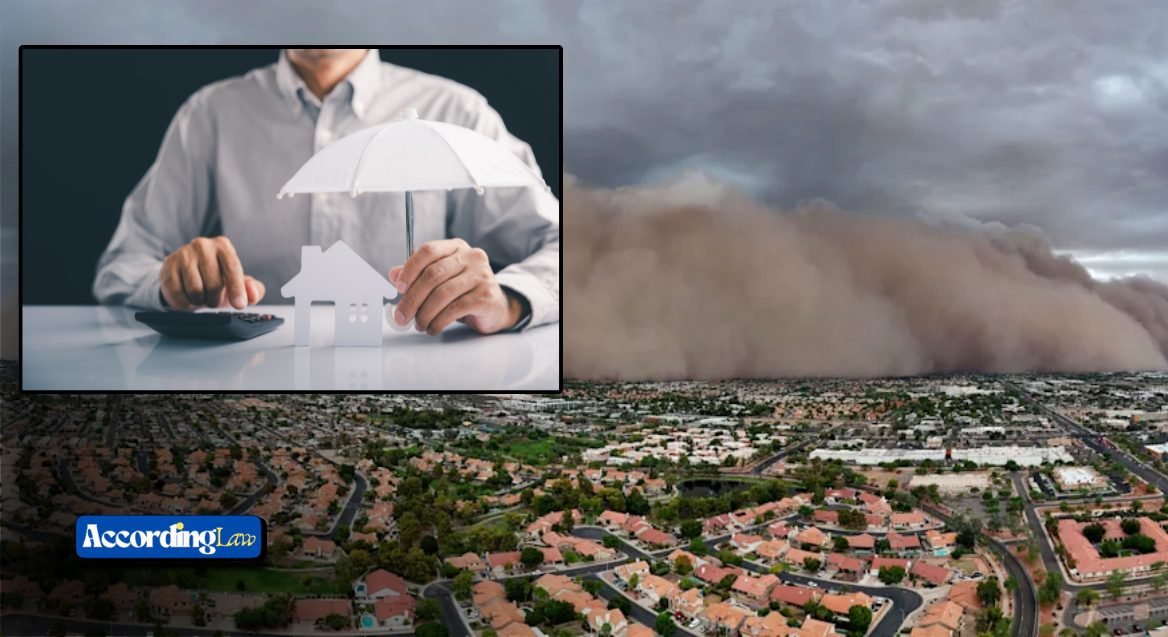
A haboob is a massive dust storm that can reach thousands of feet, drastically reducing visibility quickly. During monsoon season (July to September), storms in Phoenix whip up loose soil at over 60 mph, causing sudden blindness for drivers. This often results in accidents, leaving victims hurt, cars damaged, and legal issues regarding fault. Knowing how to proceed and who pays in these cases can make all the difference.
Table of Contents
How a Legal Expert Analyzes Dust Storm Crashes?
The first question that a Phoenix car accident lawyer asks regarding dust storm accidents is whether each driver exercised due care in their actions given the existing circumstances instead of relying on the weather alone.
Arizona law requires motorists to decrease their speed and adapt their driving behavior whenever prevailing conditions pose risks to normal operations. In Arizona, there are public awareness programs, such as the Pull Aside Stay Alive campaign that emphasize the need for drivers to:
Where a driver plows directly into an obvious dust cloud at high speeds, drives too close behind another vehicle or stops in the middle of traffic lanes without getting off the road entirely, it pimples they did not exercise reasonable care despite weather being an element.
Arizona Rules on Dust Storm Liability
Since Arizona follows a fault-based system for motor vehicle accidents, a driver found negligent will be held financially responsible under their auto liability insurance. The dust storm will not make the driver exempt from being responsible.
Other factors courts consider include driving at a reduced speed, maintaining a proper distance, and avoiding dangerous conditions. According to Arizona Revised Statutes section 12-2505, the state applies the doctrine of pure comparative negligence. It means that even if the person involved in an accident is partially at fault, they still qualify to receive compensation.
The percentage of fault for each party involved in an accident is determined by a jury, judge, or the insurance company, and the award is reduced depending on the percentage of fault. For example, a person 30% at fault keeps 70% of their damages. In a multi vehicle pileup during a haboob, fault often gets split among several drivers depending on speed, spacing, and reactions to the dust.
The sudden emergency rule is acknowledged in Arizona, too. Which may apply to cases involving dust storms. As per the sudden emergency rule, if a motorist comes across a true, unexpected situation, such as an arising dust storm, they’re judged based on what a reasonable person would do in that emergency. It must be proven that the motorist didn’t create the emergency themselves and that their actions were proper under the emergency situation.
Collecting Evidence in a Haboob Related Claim
Since weather conditions are a frequent source of disagreement regarding the accident occurrence and fault attribution, evidence is very important in these cases. It may include a police report, photos and videos shot on the spot, skid marks and debris left by the vehicle, and recordings of changes in visibility captured by dash cams or cameras at nearby businesses.
Lawyers and insurance companies also take into account meteorological information about weather conditions issued by the National Weather Service, as well as ADOT advisories urging drivers to avoid driving in dust clouds. Remember, dust storms in Arizona can cause serious accidents involving multiple vehicles and numerous injuries, supporting the argument that haboobs are known risks that drivers must plan for.
Endnote
Haboob victims in Phoenix frequently feel overwhelmed by the chaos surrounding the insurance claims process and the finger-pointing that comes with it. Getting ahead requires being aggressive; secure your medical documents, get your claims in early, and utilize professionals to understand policy fine print. Reacting early will go a long way toward getting the right compensation for your injuries.