
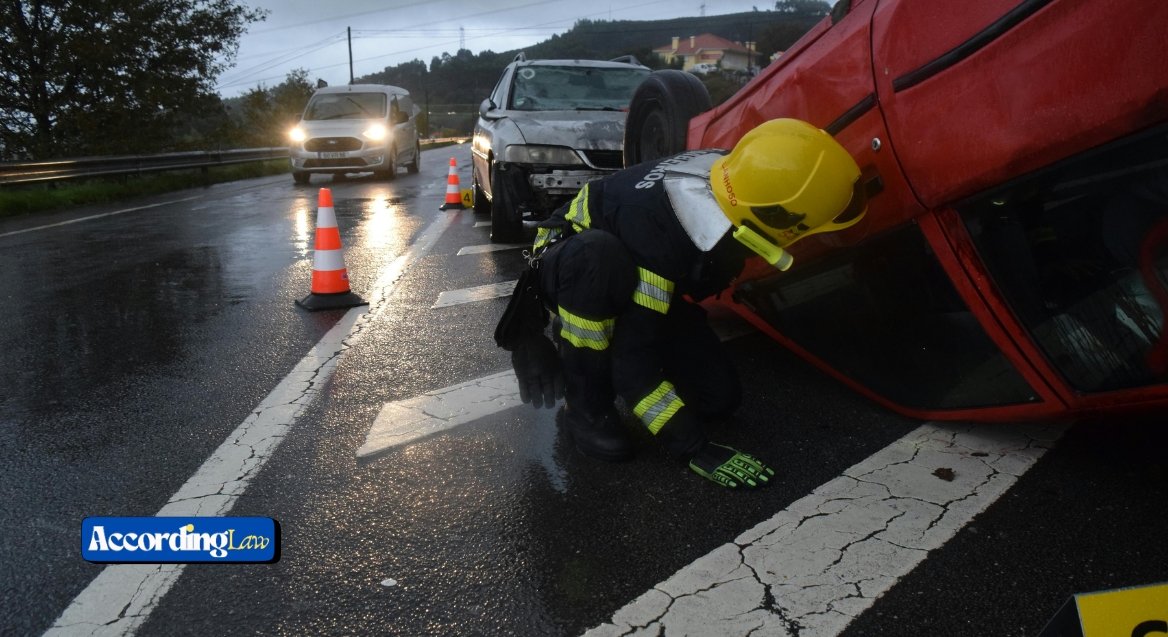
Truck crashes leave a different kind of wreckage. You face larger vehicles, heavier loads, and more people who may share blame. You also face companies that move fast to protect themselves. A truck accident is not just a bigger car crash. It is a conflict with business records, federal rules, and insurance teams that know every loophole. You may feel pressure to accept less money than you need. You may feel confused by logbooks, maintenance reports, and cargo records. Each one can decide who pays and how much. This is why you must act early. Gather proof. Write down what you remember. Save every bill. Then you can speak with a truck accident lawyer who understands how these crashes really work. That guidance can protect your health, your money, and your voice when others try to silence it.
Table of Contents
How Truck Crashes Hit Harder Than Car Crashes
Large trucks carry more weight than a car. That weight creates stronger force in a crash. Your body takes that force. Your family feels it in medical bills, time off work, and fear on the road.
The federal government tracks these crashes. The Federal Motor Carrier Safety Administration, or FMCSA, reports thousands of deaths each year from large truck crashes. You can see the data in the FMCSA Large Truck and Bus Crash Facts. The numbers show a clear truth. When a truck hits a smaller car, the people in the car face higher risk of death or serious injury.
That damage alone makes every truck crash more serious. Yet the legal side adds more weight. You are not just dealing with one driver. You are facing a web of people and companies that may hold part of the blame.
More People Can Be Responsible
A car crash often involves two drivers. You look at who had the light, who was speeding, or who was texting. The story is short.
A truck crash often has many characters. Each one may share blame.
Each one may have a separate insurance company. Each one may have a separate lawyer. Each one may point at someone else. You stand in the middle while they argue over who should pay you.
This is why truck crashes feel complex. You are not wrong. The system is built that way.
Different Rules Apply To Trucks
Truck drivers must follow state traffic laws. They must also follow special federal safety rules. These rules cover how long they can drive, how they record their hours, how they inspect the truck, and how they secure the load.
When a truck driver or company breaks these rules, your crash claim can change. A simple rear end crash can turn into a story about skipped rest breaks or fake logbooks.
You can read these rules in the FMCSA safety regulations at the U.S. Department of Transportation website. One place to start is the summary of hours of service rules. These rules limit how long a driver can stay on the road without rest. Tired driving can feel like drunk driving. It slows reaction time and clouds judgment.
To prove a rule was broken, you often need records the company holds. You may need electronic logs, GPS data, inspection reports, and training records. You cannot get these alone. You need legal tools to demand them before they are erased.
Key Differences Between Truck And Car Crashes
| Issue | Typical Car Crash | Typical Truck Crash |
| Number of people involved | Two drivers and their insurers | Driver, trucking company, loader, repair shop, and more |
| Rules that apply | State traffic laws | State traffic laws and federal trucking rules |
| Evidence needed | Photos, witness names, police report | All car crash proof plus logs, maintenance, cargo and company records |
| Insurance limits | Lower coverage in many cases | Higher coverage that attracts more pushback |
| Common injury level | Minor to moderate | Moderate to severe or fatal |
| Company response time | Slower, often after a claim starts | Fast, often within hours of the crash |
How Trucking Companies React After A Crash
When a car hits you, the other driver may speak with insurance later. The scene may stay quiet after the police leave.
When a truck crashes, the company may send a response team to the scene. They may hire their own experts and photographers. They may start shaping the story before you leave the hospital.
They may also control key records. Some records can be deleted after a short time if no one demands they be saved. That includes some electronic driving data and camera footage.
You protect yourself when you act early.
Why These Crashes Feel So Overwhelming
After a truck crash, you may feel small. The company feels large. The rules feel hidden. The phone calls feel constant and cold. You may feel pressure to move on and stop asking questions.
Your stress is normal. You are not weak. The process is heavy by design. It favors those who have time, staff, and money. That is often the trucking company. It is not you.
You gain strength when you understand the forces at work.
Those three facts explain why truck crashes are more complex than car crashes. They also explain why your voice matters. You carry the truth of what happened to your body, your car, and your family. No report can replace that.
Taking Your Next Step
You do not need to learn every trucking rule. You do not need to argue with an insurance adjuster alone. You only need to protect your health and your story, then seek help from someone who knows these crashes.
Start with simple steps.
These records turn your story into proof. They show how a single crash changed your daily life. They also help anyone who stands up for you build a clear and strong claim.
You did not choose the size of the truck that hit you. You did not choose the weight of the law that followed. You can still choose to protect yourself and your family. You do that by staying informed, staying organized, and refusing to be rushed into a quiet, cheap end to a loud and costly crash.