
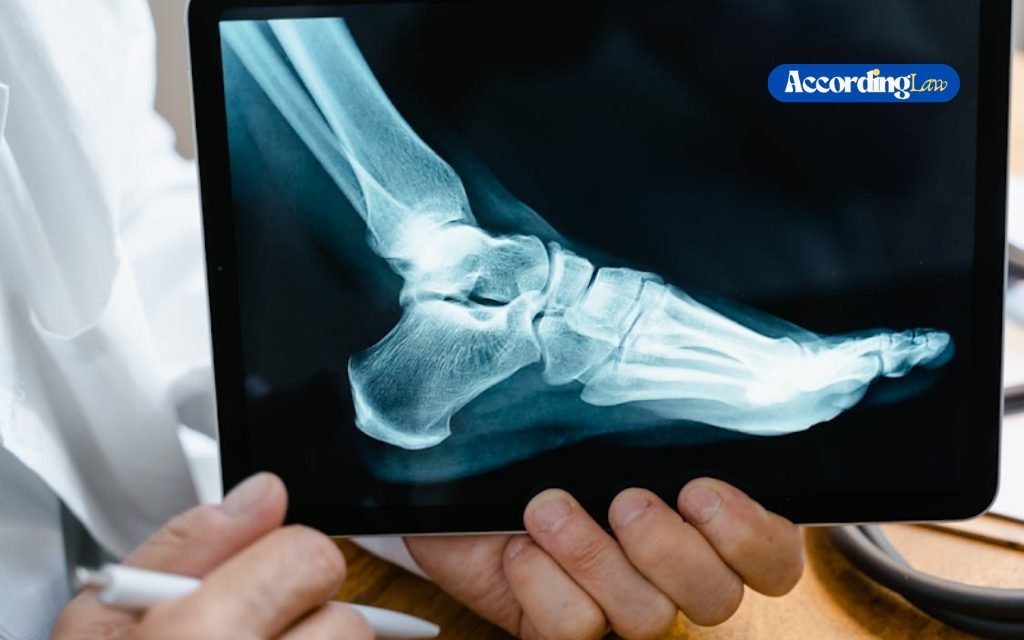
Many personal injury claims focus narrowly on visible wounds, yet countless harms unfold quietly in the weeks and months following an accident. These overlooked damages shape recovery, influence long-term wellbeing, and determine whether a settlement truly supports a person’s future stability. When key losses are missed or underestimated, claimants may find themselves handling unforeseen expenses, emotional strain, or functional limitations without adequate resources.
Table of Contents
Hidden Medical Complications That Appear Later
Some injuries remain concealed long after the immediate trauma fades. Soft-tissue damage, nerve involvement, and internal complications may take time to surface. Many people assume they are recovering well until pain patterns shift unexpectedly or new symptoms settle in.
These delayed complications often require long-term testing and extended treatment plans that significantly increase medical costs. Returning to work or physical activity too quickly can aggravate underlying damage, making the path to recovery even longer. Persistent discomfort may interfere with sleep, mobility, or concentration, affecting nearly every part of daily functioning.
Documenting these developments from the earliest signs strengthens the claim by showing how the injury evolves. Without detailed records, delayed complications risk being dismissed as unrelated, leaving claimants with burdens that should have been compensable.
Emotional and Psychological Toll
Emotional distress can be as disruptive as physical pain, yet it often goes unseen by others. Anxiety, fear, irritability, or sleep disturbances may not appear immediately, causing individuals to overlook their significance.
Trauma-related stress can influence appetite, concentration, and interpersonal relationships, adding new obstacles to daily routines. Therapy, medication, and coping supports come with their own costs, which should be recognized in a personal injury claim. Without proper documentation, these needs may be dismissed as unrelated or temporary.
Many individuals hesitate to speak openly about mental health challenges, fearing judgment or misunderstanding. Yet acknowledging these struggles allows them to be properly addressed in both treatment and legal contexts. Emotional harm deserves recognition because it holds genuine power over quality of life.
Why Professional Support Makes a Meaningful Difference
Understanding and documenting all relevant damages can be overwhelming when someone is already coping with pain, stress, and disrupted routines. Professional guidance plays a crucial role in identifying losses that might otherwise be overlooked.
Skilled legal teams know how to evaluate long-term medical needs, uncover hidden financial impacts, and present a comprehensive picture of harm. According to the team at Trapani Law Firm, working with experienced attorneys reduces the risk of accepting a settlement that fails to support future challenges. This way, clients gain insight into the broader implications of their injuries, allowing the claim to reflect the full weight of the experience.
Having a knowledgeable advocate ensures that subtle, complex, or delayed damages are evaluated carefully. This support empowers claimants to make informed decisions and approach the process with greater confidence.
Reduced Function and Daily Limitations
Injuries can reshape how a person navigates everyday tasks. Movements that once required no thought, carrying groceries, bending, driving, or climbing stairs, may now require effort or caution.
These limitations influence independence and self-confidence. Someone who once managed a household may now rely on family members, assistive devices, or paid support. These changes should be documented, even when temporary, as they reveal the broader consequences of the injury.
People often underestimate what they have lost until a professional evaluation highlights the changes. When these impairments go unrecognized, compensation rarely reflects the full disruption. Looking closely at daily routines helps clarify the true scope of harm and guides recovery planning with greater accuracy.
Impact on Earning Capacity
Returning to work does not always equate to full recovery. A person may be present on the job yet unable to perform with the same stamina, speed, or skill as before. This decline affects future income, career advancement, and financial stability.
Someone who shifts to lighter duties may experience reduced pay, fewer responsibilities, or limited opportunities. These long-term financial losses matter just as much as immediate lost wages.
Documenting changes in performance, doctor-recommended work restrictions, and employer accommodations helps clarify how the injury reshaped a career path. Claimants who understand the distinction between lost wages and lost earning capacity can better articulate what they need for long-term security.
Hidden Out-of-Pocket Costs
Small expenses accumulate quickly, creating financial pressure that many claimants do not anticipate. These costs often fall outside traditional medical billing and insurance coverage. People may find themselves paying for transportation to appointments, adaptive equipment, medication refills, or home modifications. Some households require temporary childcare or meal services during recovery. These expenses form a meaningful part of the injury’s financial impact, yet they are frequently forgotten when compiling documentation. To make these invisible costs easier to identify, consider common categories that arise after an injury:
Tracking these expenses from the beginning ensures they appear clearly in the claim.
Personal injury cases extend far beyond visible harm, touching multiple aspects of a person’s physical, emotional, and financial life. Overlooked damages can significantly restrict recovery, leaving individuals without the resources they need to rebuild stability. By examining hidden complications, emotional strain, lifestyle disruption, financial losses, and quality-of-life changes, claimants gain a more accurate understanding of their situation. Professional guidance strengthens this process, helping ensure that each layer of harm is acknowledged and presented effectively.