
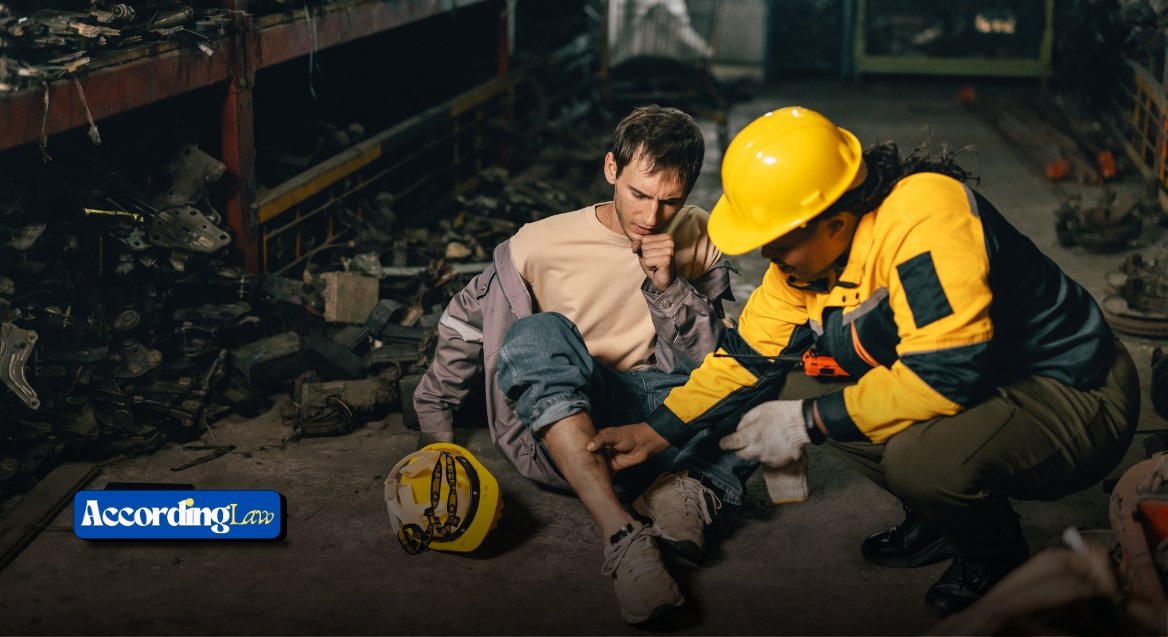
Workplace burns are a major concern for both employees and their bosses, as they can lead to significant injuries, missed time from work, and might cause an employee to leave their job.
Just how prevalent are they, though? The answer depends on the industry you work in, as a firefighter is much more likely to get burned on the job than a cashier, for obvious reasons. Regardless of the cause, however, they’re one of the most common workplace injuries in the construction industry and others.
First, let’s look at what we mean by “burns”, which jobs are most likely to experience workplace burn injuries, and then we’ll look at some overall statistics.
Table of Contents
Different Types of Burns
When most people picture getting burned at the office, they think of getting burned by fire. However, these are just one of the many types of workplace burn injuries that the average worker might experience.
These are called thermal burns, and they come from contacting something that’s too hot. Although most people don’t think about them as workplace injuries, sunburns are a type of thermal burn that can be very painful and potentially lead to skin cancers like melanoma. Hot coffee or other liquids can also cause severe thermal burns at work.
There are also chemical burns, which typically involve coming into contact with acids or alkalis. They don’t just take place in the lab, however, as many chemical cleaning products contain acids or other harsh substances that can burn skin.
Electrical burns are caused by electricity entering the body, which generates resistance and therefore heat. Live wires, high voltage areas, electricity running through water, and faulty equipment are the most common causes.
Less commonly, radiation and friction burns are also possible, depending on the industry you work in. Typically, you’d see radiation burns from X-ray or other medical imaging equipment, and friction burns come from touching hot equipment with a rough surface, typically machinery.
Severity of Burns
It’s also important to remember the “ranking system” for determining and communicating how severe a burn is. These are commonly called “degrees”, and they’re ranked from least to most severe.
First-degree burns are actually the least severe of the three types. The affected area will be red and irritated, and it’ll sting a little bit, but only the outermost layer of skin will be damaged. These typically heal on their own in a week or two.
The “medium” type, called second-degree burns, involves damage to both the top layer of the skin and the one underneath. Blisters will start to form, the pain will be worse, and the skin will look shiny or wet.
Third-degree burns are the most severe and always require hospitalization, as all layers of the affected skin have been destroyed. Instead of pain, it typically causes numbness because the nerve endings are gone. These are potentially deadly, so immediate medical treatment is essential.
Burn Injury Statistics By Year
According to some recent studies, 15% of all workplace accidents are burn-related, which ranks second behind the combined category of trips, slips, and falls for the most common workplace injuries.
Every year in the United States, over $2 billion is spent treating injuries caused by burns. Although this includes incidents outside of work as well, it represents a lot of spending for accidents that can usually be avoided.
Over 1.1 million people in the US every year will receive medical treatment for a burn. Flame burns are the most common type, causing 50% of all hospitalizations. Around the world, roughly 5% of all hospital admissions are caused by burns.
Workplaces whose employees are most likely to get burned, in no particular order, include the restaurant/culinary industry, welding, outdoor employees, plants, foundries, electricians, construction workers, mechanics, landscape workers, firefighters, and more.
Of course, burns can take place at almost any job at any time. Even the cashier mentioned earlier could spill a customer’s soup or a broken bottle of a home cleaner on themselves during the course of their workday.
These injuries can be worse because they’re unexpected. Welders, firefighters, and construction workers have received extensive training on avoiding and handling burns, as they’re a common workplace hazard in those industries. Not every job receives that training.
Preventing Workplace Burn Injuries
Naturally, the best way to save yourself from a workplace burn is to properly use the protective equipment you’ve been given and follow all safety procedures. They might seem time-consuming or annoying, but it’s better to spend an extra few minutes on a task instead of not being able to use one of your hands until the burns heal.
Safety gloves are essential in most workplace applications where you’re at risk of burns, especially around heat and electricity. Radiation burns can be prevented almost entirely just by wearing gloves and handling the equipment properly.
Sometimes, however, burns are unavoidable if your employer hasn’t given you the proper protective equipment or won’t give you enough time to complete the job safely. In these cases, you may want to consider hiring a work injury lawyer, especially if the burn was severe enough that you had to receive medical treatment. An experienced attorney can help protect your rights after a construction accident or other workplace accident where the burn happened.
Recap: How Common are Workplace Burn Injuries?
In short, burns are the second most common cause of workplace injury and account for roughly 15% of yearly workers’ compensation claims. They can be caused by hot surfaces, acids, friction, boiling water, hot coffee, and more.
First-degree burns often heal within a week or two, second-degree burns require medical treatment that usually includes some type of ointment, and third-degree burns must be treated at a hospital immediately, as they can be deadly.
The easiest way to avoid getting burned in the workplace is to make sure that you follow all safety procedures and wear all relevant protective gear issued by your employer. It might take longer and be inconvenient, but it can save you from a severe burn that could have been easily prevented.