
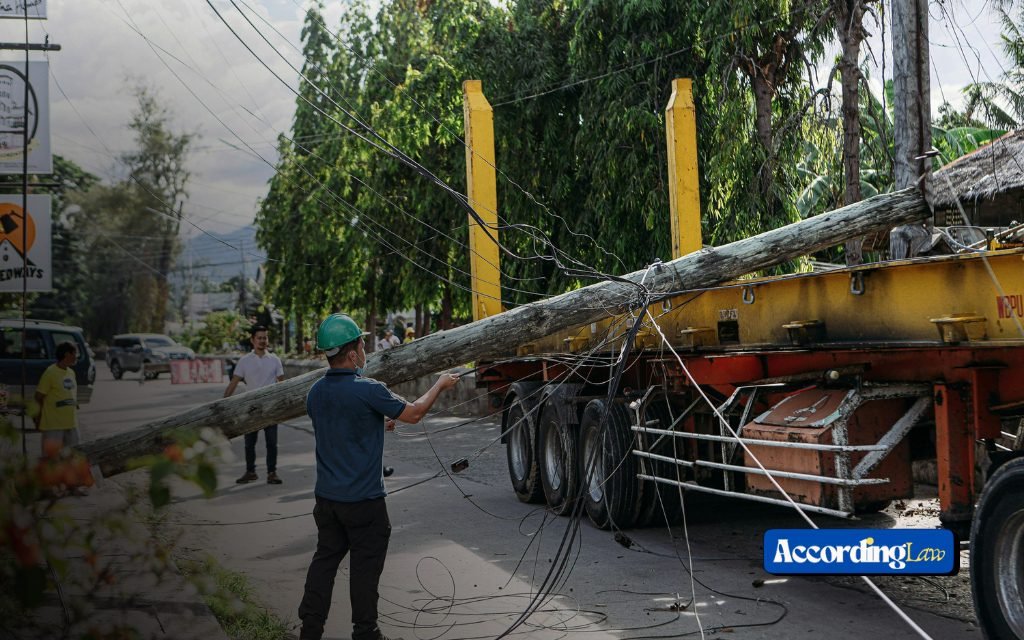
Commercial truck accidents remain one of the most serious threats on American roads. Due to their size and weight, trucks and trailers can cause devastating injuries when collisions occur, often leaving victims with long-term medical needs, lost income, and emotional trauma. While legal remedies exist for those harmed by negligent drivers or companies, preventing these accidents before they happen should always be the priority.
As the transportation industry evolves, safety is no longer limited to driver skill alone. Fleet-wide systems, data monitoring, and innovations like Smart trailer technology are changing how companies approach accident prevention. Understanding these measures is important not only for trucking companies, but also for drivers, insurers, and injury victims seeking accountability when safety standards are ignored.
Table of Contents
Why Truck Accidents Are So Dangerous
Truck accidents differ from standard vehicle collisions in several critical ways. Tractor-trailers can weigh up to 80,000 pounds, making stopping distances significantly longer than passenger vehicles. Blind spots, wide turns, and shifting cargo all increase the risk of serious crashes.
When accidents occur, the injuries are often severe. Victims may suffer spinal damage, traumatic brain injuries, or multiple fractures. From a legal standpoint, these cases are complex because liability may extend beyond the driver to the trucking company, maintenance providers, or even manufacturers.
Because of these risks, courts and regulators increasingly scrutinize whether companies took reasonable steps to prevent accidents.
Common Causes of Truck and Trailer Accidents
Many truck accidents stem from preventable issues rather than unavoidable circumstances. Some of the most common causes include:
When companies fail to address these risks, they may be held liable for resulting injuries.
The Importance of Preventative Safety Measures
Preventative safety measures are more than best practices, they are often central to determining negligence in truck accident claims. Courts may examine whether a fleet followed industry standards, complied with federal safety regulations, and used available tools to reduce risk.
Modern safety strategies focus on early detection and continuous monitoring rather than reactive repairs. This proactive approach allows fleets to identify problems before they lead to accidents, protecting both drivers and the public.
How Technology Is Improving Trailer Safety
In recent years, the trucking industry has shifted toward data-driven safety solutions. Advanced monitoring systems allow companies to track trailer conditions in real time, helping identify issues such as brake wear, tire pressure loss, or electrical failures.
By using Smart trailer technology, fleets can receive alerts when something goes wrong, reducing reliance on manual inspections alone. These systems also improve communication between drivers and fleet managers, ensuring that safety concerns are addressed promptly.
From a legal perspective, this data can play a critical role after an accident. Electronic records may show whether a company ignored warnings or failed to act on known risks.
Mechanical Failures and Legal Responsibility
Mechanical failure is a leading cause of serious truck accidents. When brakes fail or lights malfunction, the consequences can be catastrophic. In many cases, these failures could have been prevented with proper monitoring and timely maintenance.
When an accident occurs, investigators often examine maintenance logs, inspection records, and electronic data. If a company failed to act on available safety information or skipped required inspections, that failure may support a negligence claim.
This is where systems that track trailer health continuously become especially important. The use of Smart trailer technology can demonstrate whether a company took reasonable steps to monitor equipment safety, or whether warning signs were ignored.
Cargo Safety and Accident Prevention
Improperly secured or unbalanced cargo increases the risk of rollovers, especially during turns or sudden stops. Cargo-related accidents often involve multiple parties, including loaders, shippers, and fleet operators.
Safety-focused fleets use monitoring tools to ensure trailers remain stable throughout transport. Weight distribution, door status, and load shifts can all be tracked, reducing the likelihood of cargo-related crashes.
When companies fail to monitor these risks, they may be held liable for resulting injuries, particularly if industry-standard safety measures were available but not used.
Driver Support and Reduced Fatigue
While technology cannot replace responsible driving, it can support drivers by reducing unnecessary stress. Real-time alerts and automated inspections help drivers focus on the road rather than worrying about potential equipment failures.
Fatigue remains a major issue in trucking accidents. When drivers are pressured to continue operating unsafe equipment or meet unrealistic schedules, accidents become more likely. Safety systems that promote preventive maintenance help create a safer working environment for drivers and everyone sharing the road.
Why Accident Prevention Matters in Injury Claims
From a legal standpoint, accident prevention measures often influence case outcomes. Attorneys may argue that a trucking company failed to adopt reasonable safety practices, while defense teams may point to proactive measures as evidence of diligence.
Injury victims deserve transparency. When companies neglect safety, they put profits ahead of public welfare. Understanding the role of modern safety measures helps victims and their attorneys evaluate whether negligence played a role in an accident.
Final Thoughts
Truck accidents are not inevitable. Many are preventable with proper maintenance, responsible scheduling, and proactive safety systems. As the trucking industry continues to evolve, safety expectations will only increase.
For victims of truck accidents, understanding how these measures work can provide clarity when seeking justice. For trucking companies, prioritizing prevention is not just about compliance, it is about protecting lives and reducing legal exposure.
By focusing on safety before accidents occur, the industry can move toward safer roads for everyone.