Journal Square in Jersey City has shifted from a transit-heavy commercial hub into one of the most active redevelopment zones in the region. Large-scale residential towers, mixed-use developments, and retail corridors are reshaping a neighborhood that already functions as a major transfer point for commuters moving through Hudson County.
At the center of this activity is Journal Square, where construction density has increased significantly over the past several years. The area’s proximity to the PATH system and direct links to Manhattan have made it a predictable target for high-density development. What has changed more recently is the pace and simultaneity of projects. Multiple construction sites operate within a tight radius, meaning roadways, sidewalks, and transit access points are frequently adjusted or partially obstructed at the same time.
This creates a layered environment where long-term urban planning and short-term construction logistics overlap, often in ways that strain existing infrastructure.
Table of Contents
Changing Traffic Flow and Street Design Pressures
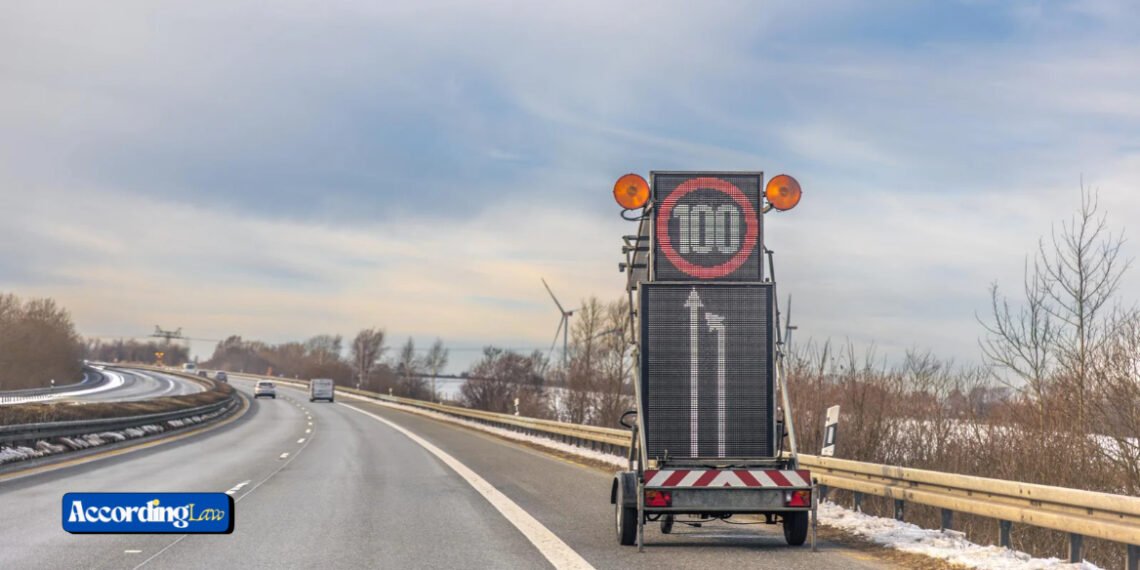
Traffic flow in Journal Square has become less predictable due to shifting construction phases and permanent street modifications tied to redevelopment approvals. Roads that once served as steady commuter routes now operate under intermittent lane reductions, rotating closures, and temporary signal adjustments.
These changes are not limited to peak construction hours. Deliveries, staging operations, and utility work often extend disruptions throughout the day. As a result, vehicle movement in the area is increasingly characterized by stop-and-go patterns and sudden lane merges.
For drivers, this creates a higher reliance on rapid decision-making in environments with reduced sightlines and inconsistent lane markings. For pedestrians and cyclists, it increases exposure at intersections where turning vehicles and blocked curb cuts reduce clear separation between movement zones.
Local traffic engineering responses have generally focused on incremental fixes rather than full redesigns, largely because ongoing development makes permanent reconfiguration difficult. That creates a dynamic where infrastructure is constantly catching up to conditions on the ground.
Pedestrian Density and Construction Interface
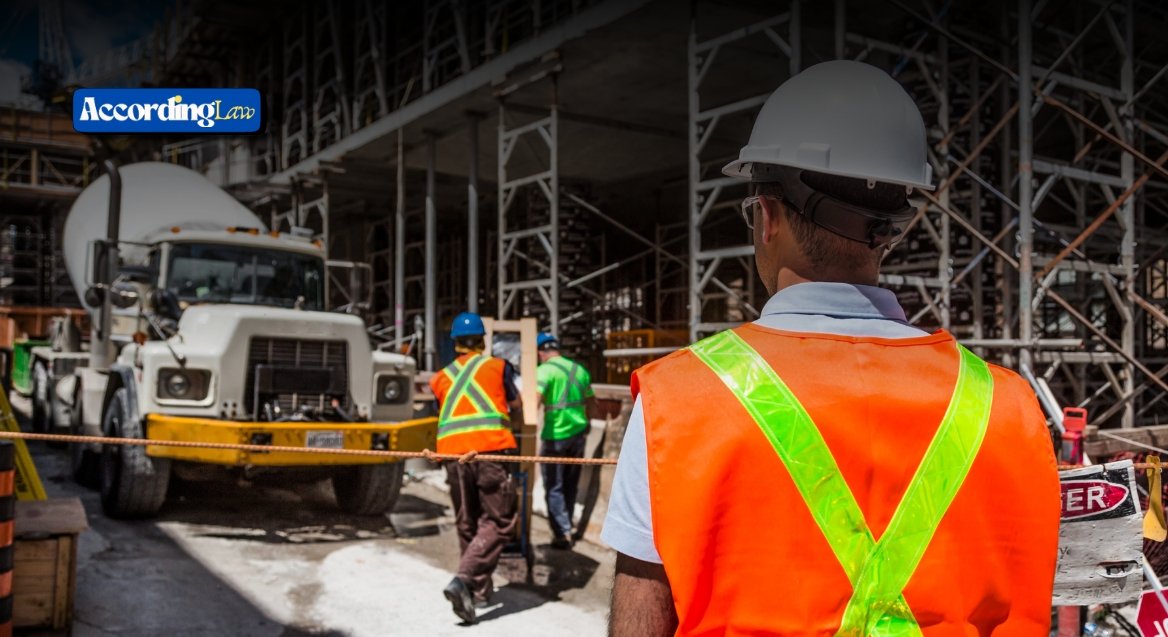
Pedestrian activity in Journal Square has increased alongside residential growth, but the physical infrastructure has not expanded at the same pace. Sidewalk capacity is frequently constrained by scaffolding, temporary fencing, and utility rerouting. In some corridors, pedestrian detours compress foot traffic into narrower pathways that were not originally designed for sustained volume.
This matters because the neighborhood is already a transfer point for bus and rail passengers. Commuters exiting transit nodes often enter areas of mixed construction activity, where pedestrian flow intersects with truck routes and service access points.
Visibility is a recurring issue. Construction barriers can limit both pedestrian and driver sightlines at intersections, especially where curb extensions or temporary crossings are in place. Even minor design inconsistencies can have amplified effects in a high-density environment where volumes remain elevated throughout the day.
These conditions are not necessarily unusual in redevelopment zones, but the scale and overlap of projects in Journal Square make them more persistent than in single-site construction areas.
Commuting Shifts and Transit Dependency
In Miami, large-scale development projects have continued to reshape neighborhoods, transportation corridors, and surrounding infrastructure. As new residential towers, mixed-use complexes, and commercial developments emerge, construction activity often occurs alongside busy roadways and densely populated areas.
While the scale and geography differ, the underlying pattern is similar: rapid infrastructure change layered onto existing transportation systems that were not originally designed for current density projections. In Miami, growth has placed increasing demands on major thoroughfares, pedestrian corridors, and construction zones. In Jersey City, the constraints are tighter street grids and heavier pedestrian-transit interaction.
A Miami construction injury lawyer may observe how major redevelopment projects can create unique safety challenges for workers and others near active construction sites. Factors such as ongoing excavation, equipment movement, temporary traffic patterns, and changing site conditions can all influence risk. While the specific circumstances vary by location, large-scale development often requires balancing growth with safety considerations.
Although Miami and Jersey City have distinct urban environments, both demonstrate how redevelopment can introduce new hazards and alter risk profiles for workers, pedestrians, and motorists. As construction activity expands, maintaining safe work zones and managing interactions between development projects and the public remain important considerations.
Safety Considerations in Evolving Urban Corridors
From a planning and risk perspective, Journal Square’s redevelopment raises recurring questions about how safety is maintained during prolonged construction cycles. The overlap of pedestrians, delivery vehicles, commuter buses, and private cars creates multiple conflict points within a relatively small geographic area.
Visibility constraints, temporary signage, and shifting lane configurations can all contribute to driver uncertainty. At the same time, pedestrian navigation is complicated by frequent rerouting and inconsistent sidewalk continuity. These conditions increase reliance on situational awareness from all users of the roadway system.
In practical terms, this is the type of environment where a Jersey City car accident lawyer might encounter fact patterns involving unclear right-of-way conditions, construction-related obstructions, or temporary traffic control measures that were not clearly communicated or consistently enforced.
None of these factors exist in isolation. They tend to accumulate, particularly in zones where redevelopment is continuous rather than episodic.
What Planners and Stakeholders Are Watching
City planners and developers operating in Journal Square are working within a narrow set of constraints. They must balance construction timelines with transit reliability, maintain access for emergency and service vehicles, and accommodate increasing pedestrian density without fully overhauling street geometry mid-project.
One of the central challenges is coordination. Multiple projects with separate contractors often operate within overlapping footprints, which makes standardized traffic management more difficult. Even when individual plans are compliant, the combined effect can produce bottlenecks or temporary safety inconsistencies.
Long-term strategies typically focus on widened sidewalks, improved crossing signals, and integrated curb management. However, these improvements often arrive in phases, meaning the neighborhood continues to experience transitional conditions for extended periods.
Where the Area is Heading
Journal Square is in a sustained period of transformation rather than a completed redevelopment phase. That distinction matters for how safety and infrastructure performance are understood. Conditions are not static, and neither are the pressures placed on roads, sidewalks, and transit nodes.
As construction continues and residential density increases, the neighborhood will likely see further adjustments to traffic patterns and pedestrian infrastructure. The key issue is not whether change is occurring, but how well overlapping systems can adapt in real time while projects remain ongoing.
The experience of Journal Square, viewed alongside comparable growth zones like Phoenix, suggests a broader urban trend: redevelopment is increasingly continuous, and safety management must operate within that continuity rather than after it.