

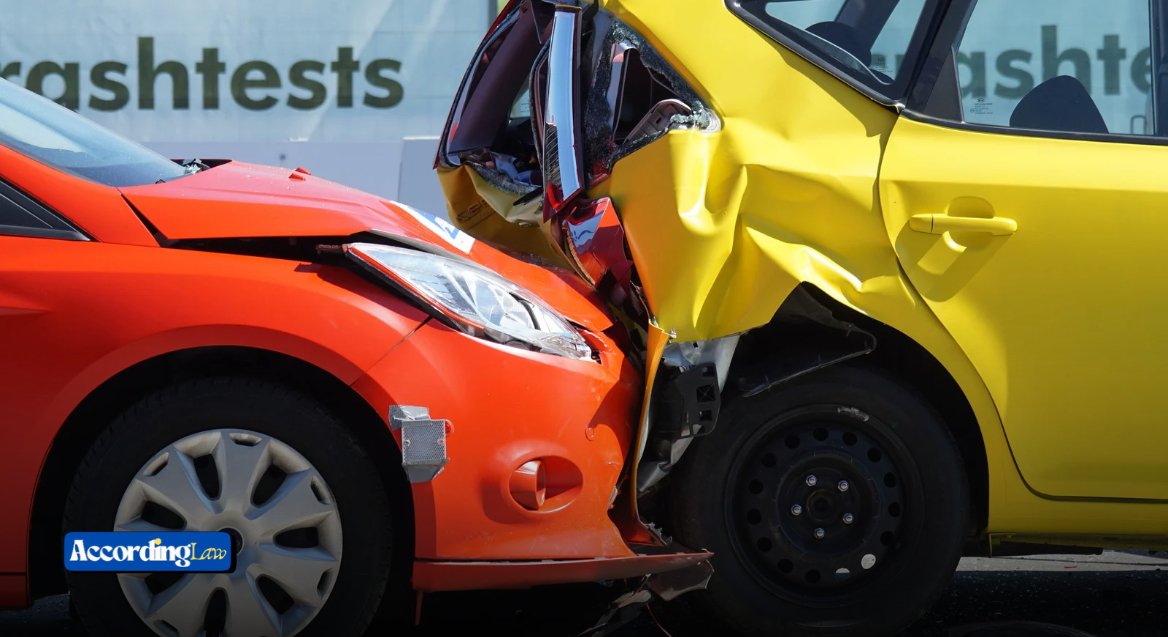
After a car accident, both drivers might walk away believing the other person caused the collision. One says the other ran a red light. The other insists the signal was yellow. Without clear evidence, what should have been a straightforward insurance claim can turn into a dispute over responsibility.
Disagreements about fault affect more than who pays for vehicle repairs. They can determine whether an injured driver receives compensation for medical bills, lost income, and other losses.
South Carolina has specific rules for determining fault when both drivers share responsibility. Understanding those rules, how insurers investigate conflicting accounts, and what evidence matters can help drivers protect their interests after a crash.
Table of Contents
Why Drivers Disagree About Who Caused a Crash
Two drivers can experience the same collision and remember it differently. Each sees the incident from a different position, and events unfold quickly enough that important details can be missed.
Disputed fault car accident claims frequently involve situations such as:
A disagreement does not automatically mean either driver is lying. However, insurance companies need evidence to determine responsibility rather than simply accepting one driver’s account.
For drivers facing conflicting statements and significant injuries, speaking with a Laurens car accident lawyer can help clarify how South Carolina liability rules apply to the circumstances.
How South Carolina Determines Fault When Both Drivers Share Responsibility
South Carolina follows a modified comparative negligence system. This means more than one driver can be responsible for an accident, and an injured person’s compensation can change based on their percentage of fault.
Under this rule, an injured person can generally recover damages when their share of negligence is not greater than the defendant’s. In a typical two-driver case, someone found 50% responsible can still recover compensation. Someone found 51% responsible cannot recover from the other driver.
Consider an accident where one driver suffers $40,000 in damages:
These examples assume the stated damages and fault percentages have been established. Actual outcomes depend on the evidence, applicable law, and parties involved.
This makes fault disputes especially important. A relatively small change in the percentage assigned to a driver can affect the amount they can recover or whether they can recover anything.
What Evidence Helps Resolve Conflicting Accident Accounts?
When drivers disagree, investigators look for information that supports or challenges their versions of events. Physical evidence and independent observations can carry more weight than unsupported statements.
Photographs, Video, and Vehicle Damage
Pictures taken after a crash can document vehicle positions, damage patterns, road markings, traffic signals, debris, and weather conditions.
Dashcam footage or surveillance recordings from nearby businesses can provide additional context. However, video quality, camera angles, and the portion of the crash captured all affect how useful the footage will be.
Vehicle damage also helps investigators understand the point of impact and movement of the vehicles. Damage alone does not always establish which driver violated a traffic rule.
Witness Statements and Police Reports
Independent witnesses can help establish what happened before the vehicles collided. Someone who saw a driver enter an intersection against a red light, for example, can provide information that neither driver’s statement resolves.
Police officers also document crash scenes, interview participants, and prepare collision reports.
A police report can become an important part of an insurance investigation, but it does not automatically settle civil liability. An officer’s conclusions can be challenged, and a court is not required to adopt every finding in the report.
Electronic Records and Other Documentation
In more complicated cases, relevant evidence could include vehicle data, available traffic camera footage, photographs taken by witnesses, or records that help establish the timing of events.
Accident reconstruction specialists can also analyze physical evidence to evaluate how a collision occurred.
The strongest evidence depends on the specific dispute. A disagreement over a traffic signal requires different proof than an argument about vehicle speed or following distance.
What Happens When Insurance Companies Cannot Agree?
After a crash, each driver’s insurance company can conduct its own investigation. Adjusters review statements, available records, damage estimates, and other evidence before evaluating liability.
The insurers can reach different conclusions. One carrier might determine that its insured driver was primarily responsible, while the other places most of the blame on the opposing driver.
This disagreement can lead to several outcomes:
Insurance adjusters make claims decisions, but those assessments are not final legal judgments. If a case goes to trial, the court process determines liability and damages under the applicable law.
A driver should also understand that their own collision coverage, if purchased, can provide a separate path for covered vehicle repairs, subject to policy terms and deductibles.
What Should You Do When the Other Driver Blames You?
A fault dispute becomes harder to resolve when important information disappears or statements change over time.
Taking a few practical steps can help preserve evidence and prevent additional confusion.
Document the accident scene. If it is safe, photograph the vehicles, surrounding roadway, traffic controls, and visible damage. Collect witness contact information when possible.
Report the collision appropriately. Contact law enforcement when required and notify your insurance company promptly. Follow applicable reporting rules and your policy’s requirements.
Describe facts rather than speculate. Explain what you directly observed, including the direction of travel, traffic conditions, and sequence of events. Avoid guessing about another driver’s speed or intentions.
Preserve relevant records. Keep photographs, repair estimates, insurance correspondence, medical bills, and information about missed work together.
Seek medical attention when needed. Injuries are not always fully apparent at the scene. Medical evaluation also creates records connecting reported symptoms and treatment to the incident.
Review requests before signing. A settlement agreement or release can affect your ability to pursue additional compensation. Understand its terms before accepting payment.
You do not need to convince the other driver to admit responsibility at the roadside. The focus should be on safety, accurate reporting, and preserving evidence.
Can a Driver Challenge an Insurance Company’s Fault Decision?
Yes. An insurer’s initial assessment can be questioned when additional evidence supports a different conclusion.
For example, an adjuster might initially rely on conflicting driver statements. If nearby surveillance footage later shows that one vehicle entered the intersection after the light turned red, that evidence could change the insurer’s evaluation.
A driver disputing a liability determination can submit additional photographs, witness information, or other relevant documentation and request reconsideration.
When serious injuries or substantial damages are involved, legal representation can help evaluate the evidence, address disputes with the opposing insurer, and determine whether filing a lawsuit is appropriate.
South Carolina generally provides a three-year limitations period for personal injury lawsuits arising from negligence, although exceptions and different deadlines can apply. Negotiating with an insurance company does not automatically extend the deadline to file suit.
Why a Fault Dispute Should Be Taken Seriously
When two drivers disagree about responsibility, the outcome depends on more than who gives the most convincing account.
South Carolina’s comparative negligence rules make the evidence behind each driver’s version especially important. Photographs, witnesses, police documentation, and other records can help establish what happened and whether both drivers contributed to the collision.
The most useful response is to document the facts, understand how fault affects compensation, and challenge unsupported conclusions with relevant evidence.
Even when the drivers never agree about what happened, the insurance or legal process can still reach a determination based on the available proof.