
According Law
  • Intellectual & Personal Law
    • Intellectual Property
    • Personal Injury Law
  • Legal Practice Areas
    • Family Law
    • Employment Law
    • Criminal Defense
  • Property & Financial Law
    • Tax Law
    • Real Estate
    • Bankruptcy Law
  • Law Insights
  • Legal News
  • Intellectual & Personal Law
    • Intellectual Property
    • Personal Injury Law
  • Legal Practice Areas
    • Family Law
    • Employment Law
    • Criminal Defense
  • Property & Financial Law
    • Tax Law
    • Real Estate
    • Bankruptcy Law
  • Law Insights
  • Legal News
No Result
View All Result
According Law
No Result
View All Result
Home Legal News

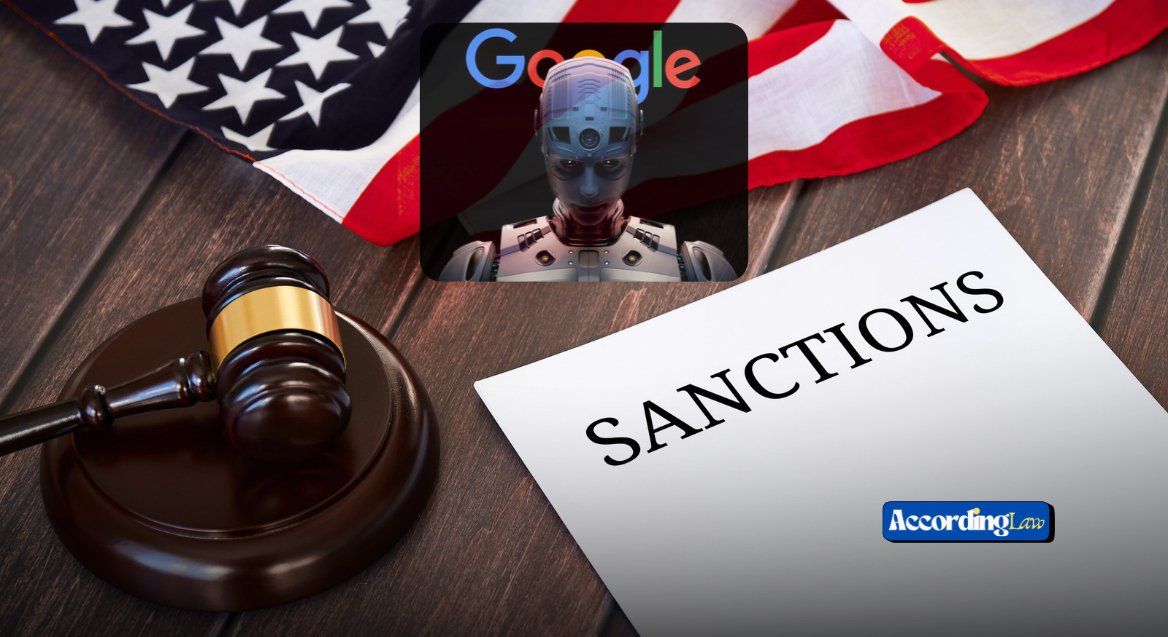
US uses sanctions law to punish theft of Google AI secrets

Joe Davies by Joe Davies
October 20, 2026
0
US Uses Sanctions Law to Punish Theft of Google AI Secrets
Share on FacebookShare on Twitter

The United States government has taken a strict step to protect advanced technology. Federal officials are using a specialized sanctions law to punish the theft of valuable artificial intelligence secrets.

This new approach targets five Chinese businesses. These corporate entities are closely linked to stolen intellectual property originally belonging to Google.

Targeting stolen technology

The US Treasury Department announced the emergency measures under the Protecting American Intellectual Property Act. Washington frequently relies on traditional criminal trials for intellectual property theft. However, this sanctions law offers a much faster alternative to stop foreign companies.

The targets include Shanghai Zhisuan Technology and the investment firm MiraclePlus. A former Google software engineer founded Zhisuan after stealing thousands of confidential pages. The stolen files contained critical data regarding advanced AI supercomputing infrastructure.

Consequences for foreign firms

Placing these targeted businesses on a financial blacklist freezes their assets under US jurisdiction. Furthermore, financial institutions face strict regulatory limits on providing large loans or handling foreign-exchange dealings.

Enforcing a strict sanctions law allows the government to restrict commercial activities quickly. Officials do not need to wait for lengthy criminal convictions to finish.

Protecting critical artificial intelligence infrastructure remains a major national security priority. This case proves that intellectual property theft now carries heavy financial and global consequences.
Joe Davies

Joe Davies

Hey, I’m Joe Davies, writer at AccordingLaw.com. I love breaking down legal topics into content that’s easy to understand. From new laws to practical legal advice, I’m here to keep you informed and up to date with what matters most in the legal world.

Related Posts

Meta sued by hundreds of authors in AI Training Copyright cases
Legal News

Meta sued by hundreds of authors in AI Training Copyright cases

by Joe Davies
October 20, 2026
0

Meta Platforms Inc. faces hundreds of new legal complaints from writers across the United States. Authors filed these lawsuits on...

Read moreDetails

Anthropic Pitches Draft AI Safety Bill to US Lawmakers

White House press secretary Katie Zacharia says she did not pass the bar exam

Federal Court Upholds Florida Social Media Ban for Minors 

  • About
  • Contact
  • Privacy Policy
Email: contact@accordinglaw.com

Disclaimer: The content on According Law is for informational purposes only and should not be construed as legal advice. Always consult a qualified attorney for professional legal guidance.

© 2026 According Law - All Rights Reserved.

No Result
View All Result
  • Intellectual & Personal Law
    • Intellectual Property
    • Personal Injury Law
  • Legal Practice Areas
    • Family Law
    • Employment Law
    • Criminal Defense
  • Property & Financial Law
    • Tax Law
    • Real Estate
    • Bankruptcy Law
  • Law Insights
  • Legal News

Disclaimer: The content on According Law is for informational purposes only and should not be construed as legal advice. Always consult a qualified attorney for professional legal guidance.

© 2026 According Law - All Rights Reserved.

This website uses cookies. By continuing to use this website you are giving consent to cookies being used. Visit our Privacy and Cookie Policy.