
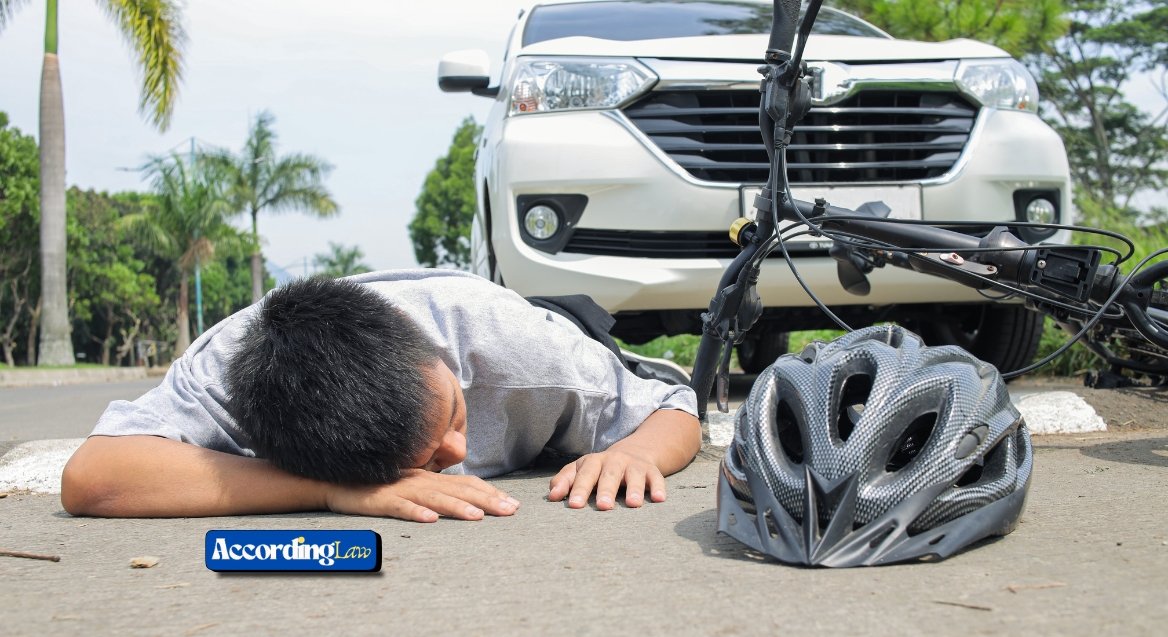
New York is known for its constant movement, with millions of residents, workers, and visitors traveling its streets every day. From bustling intersections and busy commercial districts to neighborhood crosswalks and transit hubs, walking remains an essential part of daily life across the city. While this pedestrian-friendly environment offers convenience and accessibility, it also creates situations where accidents can occur in an instant, leaving victims facing serious injuries, unexpected expenses, and significant disruptions to their routines.
Unlike many other traffic-related incidents, pedestrian accidents often involve complex questions about liability, long-term medical needs, and the true impact of an injury on a person’s future. These cases frequently require a deeper level of investigation and documentation to ensure that important facts are not overlooked. As injured individuals seek answers and financial recovery, experienced legal guidance becomes increasingly valuable. Working with a pedestrian accident lawyer in New York City can help ensure that every aspect of a claim receives the focused attention necessary to pursue a fair outcome.
Table of Contents
Early Legal Review
In the first few days, legal review can protect facts that medicine alone cannot capture. A lawyer can examine police narratives, hospital intake notes, insurance letters, camera sources, signal timing, and scene conditions before records disappear. That early work helps connect impact mechanics, injury patterns, and witness accounts in a form insurers must answer.
Why These Claims Differ
A person on foot has no frame, belt, or airbag to absorb force. The body often takes the full transfer through bone, joints, soft tissue, and the head. Even a slower vehicle can cause pelvic injury, shoulder damage, concussion symptoms, or chronic back pain. Legal proof must show how those harms came from the crash, not from age or prior strain.
Fault Is Often Disputed
Liability rarely stays simple for long. Drivers may cite glare, rain, blocked sightlines, traffic lights, or a sudden step from the curb. Insurers may use partial fault rules to reduce payment. Crosswalk markings, walk signals, vehicle speed, phone records, turn angles, and nearby obstructions can all change the percentage assigned to each side.
Evidence Needs Fast Action
Useful proof has a short life. Store cameras may overwrite footage, vehicles may be repaired, and skid marks may fade after weather or traffic. Witnesses also lose detail as weeks pass. Photographs, emergency reports, dash-cam video, damaged clothing, and scene measurements can support causation. Medical records should stay consistent, since treatment gaps often invite unfair skepticism.
Medical Costs Add Up
Pedestrian injuries can require ambulance care, imaging, orthopedic treatment, surgery, physical therapy, injections, medication, or neurological follow-up. Some patients need braces, canes, home help, or transportation support. Future care may cost more than the first emergency bill suggests. A case needs a full picture of damages, built from records, restrictions, physician opinions, and expected recovery time.
Lost Income Matters
Work loss is often more than missed shifts. Pain can limit standing, lifting, walking, driving, or concentration. A person may return part-time, change duties, or lose overtime. Strong wage proof includes pay records, tax filings, employer letters, job descriptions, and medical restrictions. Without that detail, an insurer may treat reduced earning power as a temporary inconvenience.
Insurance Rules Are Technical
New York insurance rules can create deadlines before an injured person feels ready to handle paperwork. No-fault benefits may cover certain economic losses, while a larger claim may require proof of serious injury. Coverage layers, policy limits, and filing forms need close review. Missing a deadline can weaken payment options even when liability appears strong.
Multiple Parties May Be Liable
The driver may be only one part of the case. A delivery company, vehicle owner, contractor, property manager, or public agency may share responsibility. Dangerous crossings, broken signals, poor lighting, sidewalk closures, and construction barriers can affect the fault. Identifying every responsible party matters because a single insurance policy may be insufficient to cover severe injuries.
Settlement Value Needs Support
Case value depends on medical severity, recovery duration, permanent limitations, income loss, pain, and future care needs. Insurers often test whether the file is organized enough for trial. Clear records, treating provider opinions, photographs, and consistent symptom history strengthen negotiations. If talks fail, that same preparation helps present the claim clearly in court.
Human Impact Counts
The harm is not limited to invoices. A pedestrian crash can disturb sleep, household routines, childcare, exercise, errands, and confidence near traffic. Some people avoid intersections or feel panic when cars turn close by. These changes deserve careful proof. Journals, therapy notes, family observations, and provider records can show how daily life changed after the impact.
Conclusion
Pedestrian accident cases need dedicated legal attention because the medical, factual, and insurance issues move at different speeds. Evidence may disappear while injuries are still being diagnosed. Fault arguments can grow before the person has returned to normal activity. A focused legal approach helps document the full harm, meet deadlines, and present a claim that reflects both immediate losses and long-term consequences.