
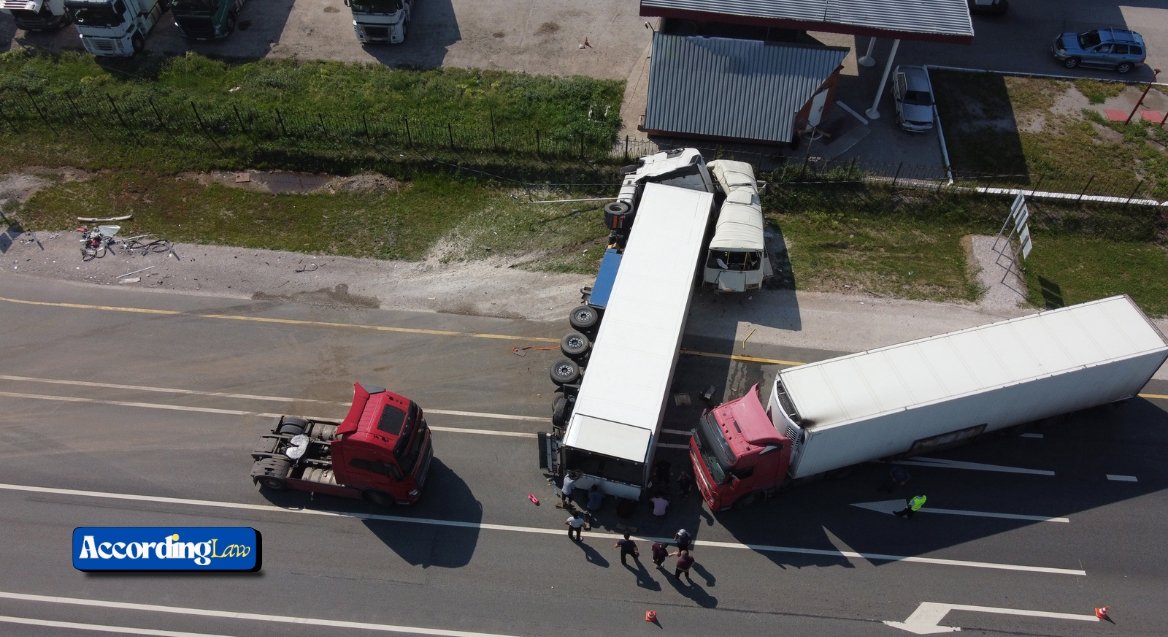
In Wilmington, a coastal hub shaped by port activity, tourism, and steady commercial traffic, large trucks are a constant presence on major routes and local roads alike. These vehicles play a vital role in keeping goods moving, but when a collision occurs, the impact is often far more disruptive than a typical crash. The size, weight, and operational structure of commercial trucking introduce layers that extend well beyond what most drivers encounter day to day.
From multiple companies involved in a single trip to strict safety regulations and specialized equipment, uncovering the true cause of a truck accident requires far more than a basic review. Investigations must piece together technical data, maintenance records, and operational decisions to form a complete picture. A Wilmington truck accident lawyer understands how to navigate this complexity, helping injured individuals pursue answers that reflect the full scope of what went wrong.
Table of Contents
Getting Help Early Matters
After a violent collision, families juggle emergency care, pain control, and sleep disruption while phone calls stack up. Evidence does not wait, digital logs roll over, and vehicles may be repaired or sold. Speaking with a truck accident lawyer can help victims secure driver logs, onboard recordings, and service paperwork before routine retention schedules erase them. Early action often determines whether later review rests on facts or gaps.
More Parties Can Share Fault
A truck case can include a driver, motor carrier, broker, shipper, loader, or repair shop. Each participant holds different duties, contracts, and insurance policies. Investigators must trace who set the route, approved the schedule, verified the load, and signed off on repairs. Responsibility can shift as documents surface, so early role mapping matters. Clear attribution protects everyone’s rights by steering attention toward the true source of the collision.
Federal Rules Add Extra Questions
Commercial operations follow safety requirements that personal drivers never face. The review may cover service-hour limits, qualification files, drug-and-alcohol steps, and inspection routines. A missing form can signal weak oversight rather than a simple clerical lapse. Those rules also influence which records exist, who must store them, and how long they are retained. Investigators must know the record trail to request the right items before deadlines pass.
Driver Records Go Beyond a License
A license check rarely settles a truck investigation. Records may include training content, prior collisions, medical fitness documentation, and employer screening steps. Dispatch messages can show time pressure, route changes, or fatigue warnings. Phone activity and location data may reveal distraction, speeding, route choice, or late braking. Each source carries context, yet each requires timely preservation. Good interpretation also separates minor errors from a pattern of unsafe supervision.
Vehicle Condition Requires Deep Review
Mechanical conditions can turn a manageable hazard into a catastrophic outcome. Brake wear, tire degradation, lighting failure, and steering play can each alter stopping and control. Investigators often need inspection reports, repair invoices, and part identifiers tied to specific components. If a defect is suspected, the chain of custody becomes central, since later work can change what existed at impact. Laboratory review may be needed for fractured surfaces or heat damage.
Cargo Decisions Can Change Crash Dynamics
Load choices influence handling, stability, and stopping. Poor securement can shift weight, increase sway, or trigger a rollover. Paperwork may show weight entries, axle distribution, and who verified the tie-down steps. Forklift punctures, strap abrasions, or missing edge protectors can indicate loading errors. These details often reside with third parties, so investigators must trace the path from the warehouse to the trailer and confirm who performed the final checks.
Electronic Data Can Be Crucial
Many rigs store event data tied to speed, throttle, braking, and engine status. Cameras, telematics, and route systems may add time-stamped context. Overwrite cycles can be short, creating urgency for preservation letters and technical downloads. Proper retrieval protects file integrity and prevents accidental alteration. Analysts then compare digital timelines with skid patterns, debris spread, and witness statements. Consistency across sources can strengthen conclusions, while conflicts can reveal missing information.
The Scene Often Takes Longer To Read
A large truck can spread evidence across long distances and multiple lanes. Measurements may include yaw marks, gouges, scrape patterns, and final rest positions. Road grade, weather, and lighting affect perception and braking response time. Detours and work zones can change lane flow in ways that mislead quick assessments. Cleanup crews may remove traces, so early photos, mapping, and precise documentation can preserve the physical evidence.
Injury Patterns May Indicate Impact Details
High-force impacts often produce multi-system trauma. Medical findings can help clarify seat position, belt engagement, and direction of force. Rib fractures, pelvic disruption, and internal organ injury patterns may align with side intrusion, underride, or roof crush. Neurologic signs can also reflect rapid deceleration and brain movement within the skull. Coordinating clinical records with scene data can support or challenge the account offered by involved parties.
Timelines Depend On Many Sources
Sequence building may require dispatch records, fuel receipts, toll entries, and dock timestamps. Those items can confirm fatigue risk, delayed rest, or rushed driving decisions. Witness memory fades fast, and small timestamp differences can matter when seconds determine braking distance. Investigators often build a minute-by-minute chart, then compare it against phone logs, vehicle data, and nearby video. A reliable timeline helps separate assumption from verified fact.
Conclusion
Truck crash investigations demand broader evidence and tighter coordination than most roadway cases. Several companies may hold key records, and safety rules shape what must be reviewed. Mechanical condition, cargo handling, and electronic data can confirm or contradict a narrative formed in the first hours. Careful fact-finding supports informed medical planning, fair accountability, and prevention efforts that reduce future trauma on the road.