

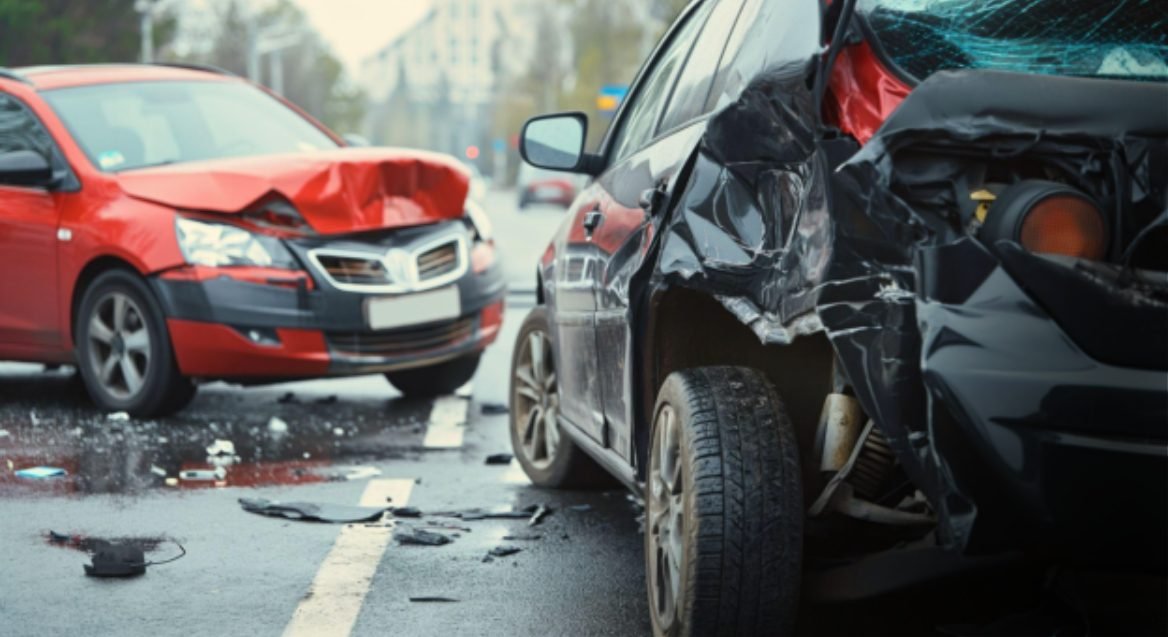
A car accident in Riverside County involves immediate physical and administrative demands that can quickly become overwhelming for those involved. While many minor incidents result in straightforward insurance claims, California law includes specific statutes regarding liability and damages that apply to more complex collisions. You should understand the legal framework governing these events to protect your rights under the California Vehicle Code. The following sections outline specific indicators that a situation requires a formal legal review to ensure compliance with state regulations and recovery standards.
Table of Contents
Sustaining Serious Or Permanent Physical Injuries
Medical treatment costs in California often exceed initial estimates, especially when injuries require long-term rehabilitation or surgery. If you decide to contact a car accident lawyer in Perris after a collision, they can help you document the full extent of your physical recovery needs according to state evidentiary standards. This process ensures that your medical records accurately reflect the impact of the crash on your daily functioning and future health.
The presence of long-term disability or scarring changes how a claim is valued under California law. Statutes allow for the recovery of both economic and non-economic damages, but the burden of proof rests on the injured party. You must provide objective evidence of these injuries to meet the requirements for a settlement or court judgment.
Determining Liability In A Multiple Vehicle Collision
California follows a pure comparative negligence system, which means the court assigns a percentage of fault to every party involved in an accident. If more than two vehicles are involved, determining who caused the initial impact becomes a complex task involving police reports and witness statements. Your ability to recover compensation is directly tied to your assigned percentage of responsibility for the event.
Disputes often arise when insurance companies attempt to shift a higher percentage of fault and liability onto you to reduce their payout obligations. Professional support helps you challenge these assessments by reviewing physical evidence and traffic camera footage from the scene. Establishing an accurate record of events is necessary when multiple drivers contribute to a single incident.
Facing Denied Claims Or Low Settlement Offers
Insurance companies operate as for-profit entities and may use various tactics to minimize the amount they pay on a claim. You might receive an initial offer that appears substantial but fails to cover the total cost of vehicle repairs and medical bills. Accepting such an offer usually requires you to sign a release that prevents you from seeking further compensation if your condition worsens later.
A formal denial of a claim does not always mean the end of your legal options. You have the right to request a detailed explanation for the denial and to provide additional evidence to support your position. Legal intervention can facilitate a more thorough review of the policy language and the facts of the accident.
Handling Accidents Involving Uninsured Or Underinsured Drivers
Despite state mandates requiring auto insurance, many motorists in the Inland Empire operate vehicles without valid coverage. If an uninsured driver hits you, your own insurance policy may provide coverage if you have an uninsured motorist endorsement. These claims still require you to prove the other driver was at fault before your insurer will release funds.
Underinsured motorist situations occur when the other driver has the legal minimum coverage, but your damages exceed their policy limits. In these cases, you must follow a two-step process involving the other driver’s insurance and your own provider. Proper documentation of the shortfall is required to access the benefits you have paid for in your own premiums.
Handling Complex Government Or Commercial Vehicle Claims
Accidents involving city-owned vehicles or commercial trucks involve different legal rules than standard passenger car collisions. Claims against a government entity in Perris must follow the California Tort Claims Act, which includes much shorter filing deadlines than typical personal injury cases. Failure to file a formal notice of claim within six months can result in the permanent loss of your right to sue.
Commercial vehicle accidents often involve federal trucking regulations and multiple liable parties, such as the driver and the shipping company. These entities often have large legal teams and extensive insurance policies designed to protect their assets. You need to identify all potential defendants and insurance layers to ensure the claim is filed against the correct corporate entities.
Procedural Requirements For California Civil Filings
The legal system in Riverside County follows strict deadlines known as statutes of limitations, which generally give you two years from the date of an accident to file a lawsuit for personal injury.
While this timeframe might seem generous, the process of gathering evidence and attempting a settlement can consume a significant portion of that period. Early attention to these procedural requirements helps preserve your ability to seek a remedy in court if negotiations fail. Adhering to these rules ensures that the merits of your case are heard rather than being dismissed on a technicality.