
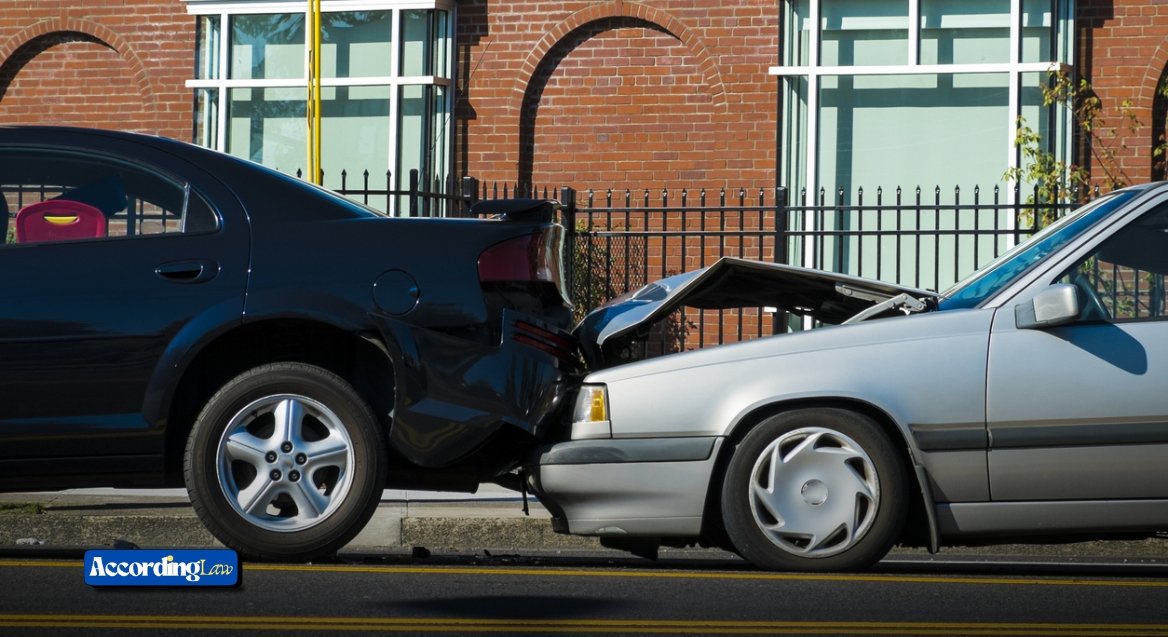
Ask someone how a car-accident claim is decided and they’ll usually describe a simple binary: one driver was at fault, that driver’s insurer pays, done. Reality is rarely that clean. Most serious collisions involve some dispute about who did what, and in many, more than one party bears a share of the blame. How the law resolves that shared fault is the single biggest factor in what an injured person actually recovers, and in Colorado, the rule is unforgiving of anyone who doesn’t understand it.
This is a look at how comparative fault works, why it turns fault allocation into the central battle of a claim, and what that means for compensation. The Denver car accident attorneys at Flaxman Law Group and other Colorado practitioners build their cases around this rule for a simple reason: in a modified-comparative state, the percentage of fault assigned to your client is very often the whole case.
Table of Contents
The Three Approaches, And Why The Difference Is Enormous
American states resolve shared fault in one of a few ways, and the differences produce dramatically different outcomes from identical facts.
As According Law’s overview of split liability in multi-car accidents explains, these frameworks are what make multi-vehicle collisions so contested, because in a crash with several contributing parties, every percentage point of fault gets fought over.
Colorado’s 50% Bar
Colorado uses modified comparative negligence with a 50% bar, codified at C.R.S. § 13-21-111. The rule is precise, and the precision matters:
Run the numbers on a $100,000 claim. At 20% fault, you recover $80,000. At 49% fault, you recover $51,000. At 50% fault, you recover $0. That jump, from $51,000 at 49% to nothing at 50%, is not a gentle slope. It’s a cliff, and it sits right in the middle of the range where genuinely disputed crashes tend to land.
This is what makes fault allocation the decisive question in a Colorado claim. It isn’t enough to show the other driver was at fault; you have to keep your own share of fault below that hard line, because a single percentage point in the wrong place erases everything.
Why Insurers Aim For The Line
Once you understand the 50% bar, insurer behavior stops looking like coincidence and starts looking like strategy.
The recorded statement an adjuster requests days after the crash, while you’re still medicated? It’s an attempt to extract admissions that raise your fault percentage. The argument that you were speeding, distracted, or “should have seen it coming”? It’s aimed at nudging you toward 50%. The insurer doesn’t need to prove you caused the crash, it only needs to push your share of fault to the threshold, and its bill drops to zero.
This is why the evidence gathered at the scene is so valuable. As According Law notes in its guidance on legal rights in personal injury and accident claims, the police report, witness statements, photographs, and physical evidence are what a claimant uses to keep their fault percentage low, and to rebut the insurer’s attempt to inflate it. In a modified-comparative state, that evidence isn’t supporting detail; it’s the core of the case.
How Compensation Is Calculated Once Fault Is Settled
Assuming you clear the 50% bar, your recovery is your total damages reduced by your fault percentage. Those damages include economic losses (medical bills, lost wages, property damage, and future costs like ongoing treatment and diminished earning capacity), non-economic losses (pain and suffering, loss of enjoyment of life), and, in cases of egregious conduct, punitive damages.
One Colorado-specific wrinkle matters here:
The state generally does not apply joint-and-several liability. In many states, if multiple defendants are at fault, you can collect your full award from any one of them. In Colorado, each defendant is typically responsible only for its own share of the fault, which means that in a multi-defendant crash, the allocation of fault among defendants also affects how much you can actually collect, and from whom.
The Deadline That Runs Alongside
Colorado gives you three years from the date of a motor-vehicle crash to file an injury claim, under C.R.S. § 13-80-101. That’s longer than many states allow, but it’s not a reason to wait, the evidence that keeps your fault percentage low decays quickly, and a claim filed on strong, freshly-preserved evidence is worth far more than one built on a cold trail.
The stakes are not abstract. The Colorado Department of Transportation recorded roughly 100,000 crashes statewide in 2024, with 684 traffic deaths. Behind a large share of those numbers are claims where the difference between full recovery and no recovery came down to which side of the 50% line the injured party landed on.
Key Takeaway
In Colorado, a car-accident claim is decided less by whether the other driver was at fault than by how the fault is allocated, and the 50% bar makes that allocation a cliff, not a slope. Keeping your share of fault below the line is the whole game, and that’s won with evidence gathered early and preserved carefully. Understand the rule, and you understand why every detail at the scene matters so much.