

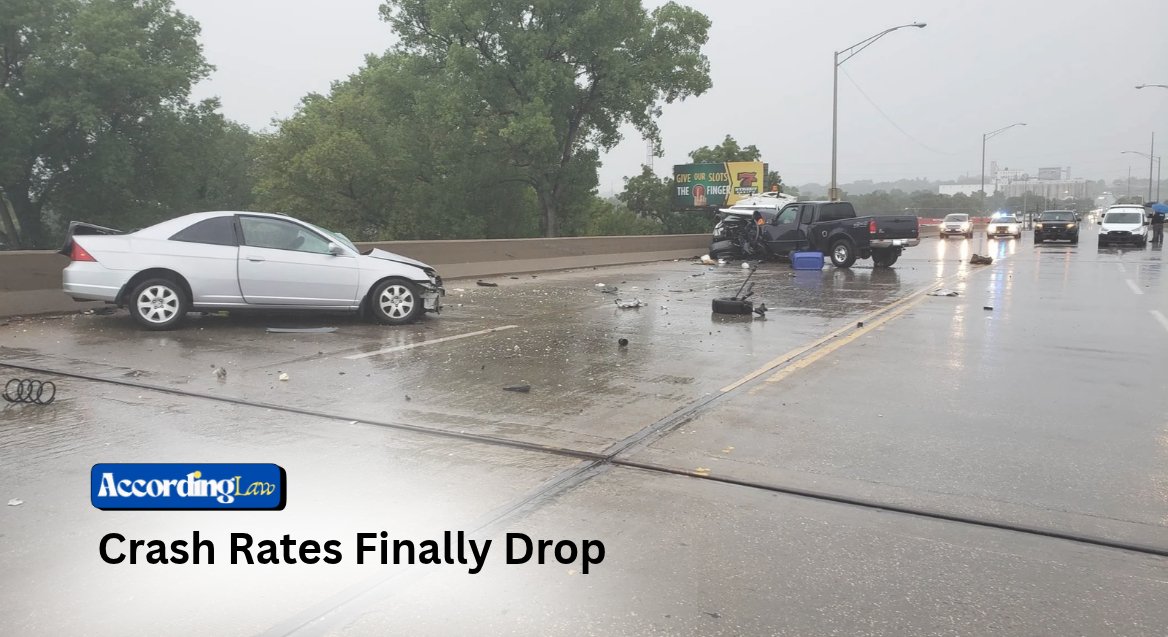
Kansas City’s roads have a personality problem. Wide, fast, and stitched together by highways that merge wherever they please, KC has earned a reputation it never wanted: one of the more dangerous places in America to drive. But 2026 is bending that story, not because drivers got better, but because the data, the law, and enforcement finally caught up with each other.
Here’s what’s changing on Kansas City streets right now, and why it matters if you’re dealing with the aftermath of a crash.
Table of Contents
The Turning Point Nobody Predicted
For years, the trend line only moved one way. Serious and fatal crashes in Kansas City jumped roughly 21% between 2021 and 2024, per data from the Mid-America Regional Council. The city’s Vision Zero initiative aimed to hit 208 serious and fatal crashes by 2025 instead, the count hit 481 the year before, missing the target by a wide margin.
Then the numbers shifted:
Kansas City still has ground to cover nationally. Street Light Data’s U.S. Safe Streets Index ranks the KC metro No. 32 out of the top 100 for street safety, weighing factors like speeding in residential zones and pedestrian risk. Other regional studies rank the metro among the worst in the country for speeding-related deaths. The city is improving it isn’t safe yet.
Why the Hands-Free Law Is Finally Biting
Notice more officers watching for phone use at red lights this year? You’re not imagining it. Missouri’s Siddens Bening Hands-Free Law, which bans holding, typing, or scrolling a phone while driving, moved into full enforcement at the start of 2025. Since then, the Missouri State Highway Patrol has issued more than 4,000 citations and warnings statewide, some tied directly to fatal crashes.
The law carries two names for a reason. A driver who was video chatting and speeding killed Randall Siddens. A distracted driver struck and killed Michael Bening while he cleared debris from the road. AAA Missouri credits the law with preventing roughly 1,000 crashes in its first year alone, before enforcement even ramped up to today’s level.
Distracted driving isn’t a side issue here. Officials rank it among the top three causes of serious crashes in Kansas City, alongside speeding and improper lane changes. A driver glancing at a text brakes late, checks blind spots late, and reacts late when someone runs a yellow light on Truman Road.
Where the Danger Still Concentrates
Risk in Kansas City isn’t spread evenly. Local crash data consistently flags a handful of corridors on Truman Road, Van Brunt Boulevard, Troost Avenue, and other high-speed arterials, as disproportionately dangerous, often because engineers designed them decades ago for speed, not safety. Intersections with poor visibility or long crossing distances show up again and again in fatal crash reports.
Two more patterns matter if you drive or ride here:
What This Actually Means If You’re in a Wreck
If you’re reading this after a crash, not before one, here’s the part that matters most: this shifting legal and safety landscape changes what a strong claim looks like.
Full enforcement of the hands-free law raises the value of phone records and citation history in a claim. If the other driver got cited for handheld phone use around the time of your crash, that citation can strengthen your case. Kansas City’s uneven crash data also means insurers scrutinize where a wreck happened, a crash on a corridor the city has flagged as high-risk can shape how a claim gets argued.
You shouldn’t have to figure this out alone while you’re juggling medical appointments, missed work, and a damaged car. This is exactly when talking to a car accident lawyer Kansas City drivers trust makes the difference. The right lawyer preserves your documentation, phone records, and citation history before they disappear, and pushes for a settlement that reflects what you’re actually dealing with, not what an adjuster wants to close the file with.
A Cautiously Hopeful Road Ahead
Kansas City isn’t fixed. Vision Zero’s original targets are still a long way off, and the metro’s safety ranking reflects real, structural problems with how the city built its roads. But for the first time in half a decade, the numbers are moving the right direction, and a real law backed by real citations, is helping push them there.
That’s good news if you’re driving in KC this year. It’s good news too if someone already hit you while not paying attention, just make sure you have someone in your corner who knows how to use it.