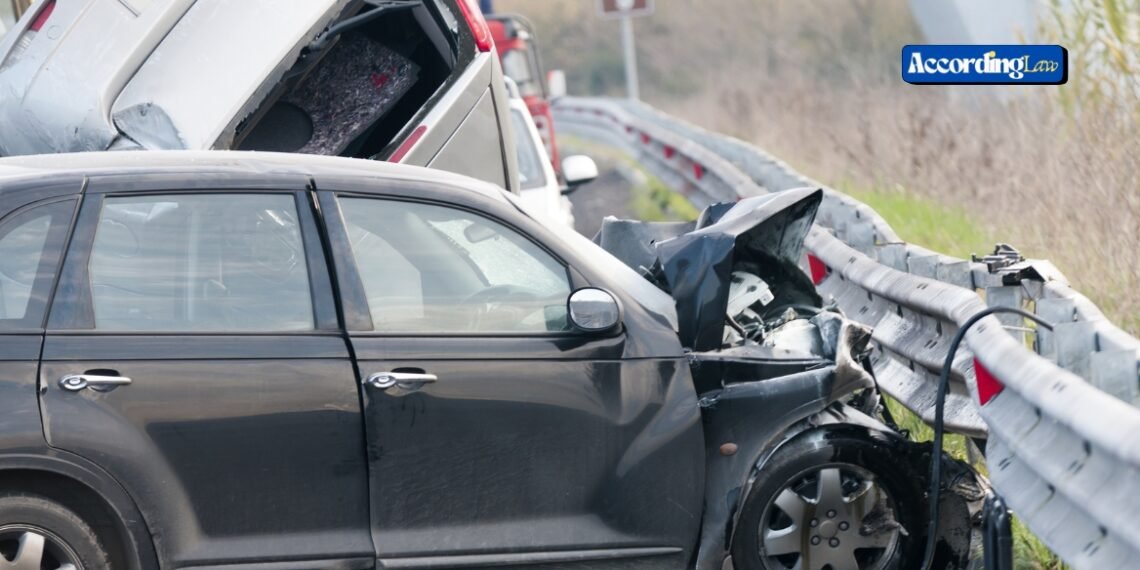

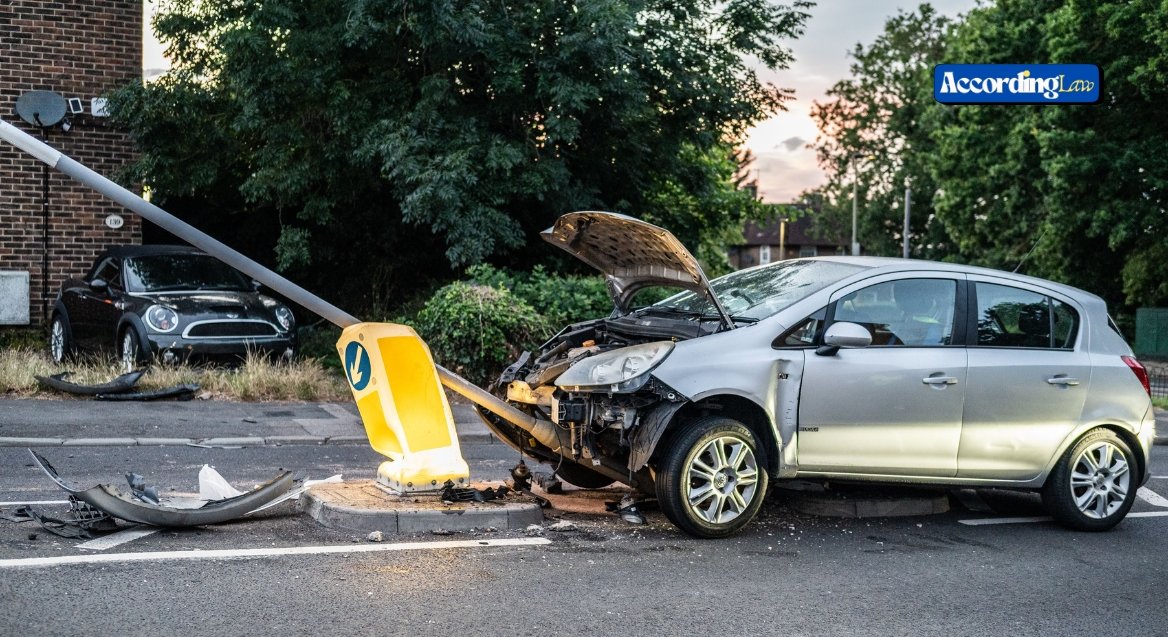
Fresno’s roads carry a mix of commuters, agricultural trucks, students, and travelers headed to Yosemite and the Sierra. Highway 99, Highway 41, Herndon Avenue, and Blackstone Avenue all see heavy traffic. On every one of them, distracted driving is a constant risk.
A few seconds spent looking at a phone, adjusting a navigation screen, or reaching for something on the floor can lead to a serious crash. Understanding why these crashes happen, how distraction is proven, and what to do afterward helps injured people protect their rights.
Table of Contents
Proving Distraction After a Crash
Drivers rarely admit to being distracted. Evidence often comes from other sources:
Obtaining phone records usually requires a formal legal request. People who suspect the other driver was distracted sometimes consult Fresno car accident attorneys at FHV Law or other counsel, since those requests should be made early and handled carefully.
How Common Distraction Is
Distracted driving remains one of the leading causes of crashes nationwide. The National Highway Traffic Safety Administration reports that distracted driving kills thousands of people each year.
Distraction takes several forms:
Texting combines all three, which makes it especially dangerous. At highway speeds, a five-second glance at a message means traveling the length of a football field without watching the road.
California’s Phone Laws
California prohibits drivers from holding and operating a phone while driving. Drivers may use hands-free features, such as voice commands or a mounted phone operated with a single tap or swipe.
Drivers under 18 face stricter rules and generally may not use a phone at all while driving, even hands-free.
Violations can lead to fines and, for repeat offenses, points on a driving record. A citation can support an injury claim, though fault in a civil case is still decided on all the evidence.
California’s Fault Rules
California follows pure comparative negligence. An injured person can recover damages even if partly at fault, with the recovery reduced by their percentage of responsibility.
That means distraction by either driver can affect the outcome. A driver who was speeding and a driver who was texting might each bear part of the fault. Even a small share of fault reduces the recovery, so evidence about both drivers’ conduct matters.
Filing Deadlines
California generally allows two years from the date of injury to file a personal injury lawsuit. Claims against government entities, such as a city bus or county vehicle, generally require a written claim within six months.
Missing a deadline can eliminate a claim, regardless of how clear the evidence of distraction may be.
What to Do After a Crash
The first steps after a crash can shape the entire claim:
Writing down observations while memories are fresh can also help later. Details about where the other driver’s hands and eyes were in the moments before impact fade quickly.
Knowing Your Basic Rights
Legal processes can feel unfamiliar after a crash. According Law has a guide to basic legal knowledge everyone should know, which covers foundational concepts that apply in injury claims and many other situations.
Preventing Distracted Driving
Simple habits reduce risk:
Parents can model these habits for teen drivers, who are especially vulnerable to distraction.
Attention Saves Lives
Distracted driving crashes are preventable. In Fresno, where traffic continues to grow, staying focused behind the wheel protects everyone on the road. For people injured by a distracted driver, understanding how distraction is proven and acting quickly to preserve evidence can make a significant difference in recovery.
This article provides general information about California car accident law and is not legal advice for any individual situation.