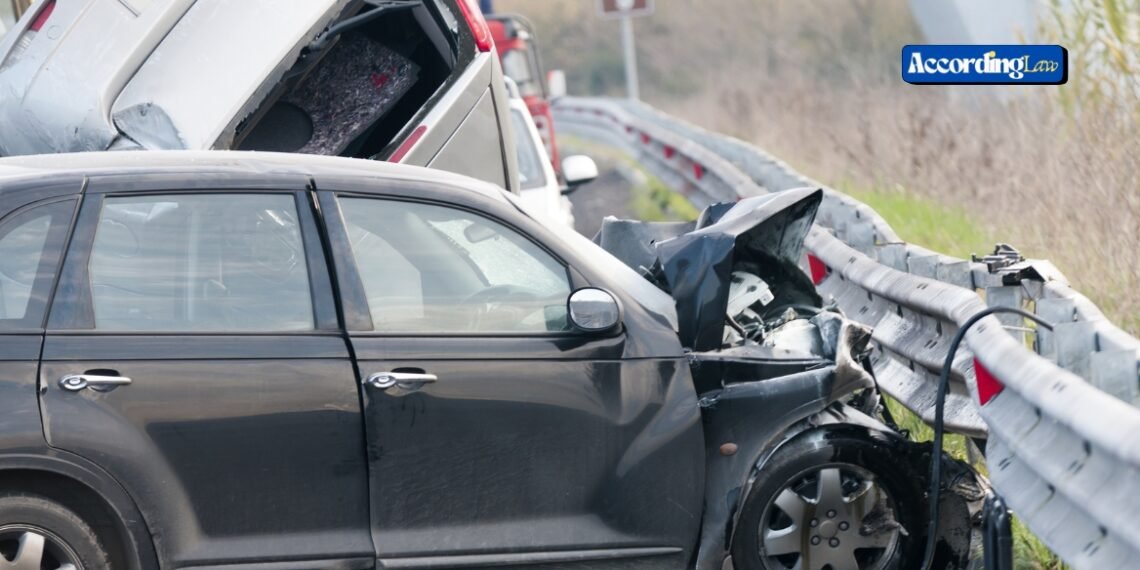

Driving in West Virginia is unlike driving almost anywhere else. Two-lane roads twist along ridgelines and river valleys. Coal trucks share narrow routes with school buses and commuters. Fog settles in hollows without warning, and winter brings ice to steep grades that never seem to get enough sun.
Those conditions make speed especially dangerous. They also shape how crash claims unfold, from how fault is assigned to what evidence matters most.
Table of Contents
Why Speed Is So Dangerous on Mountain Roads
Speed reduces the time a driver has to react and increases the force of any collision. On a straight interstate, that is serious. On a winding mountain road with limited sight distance, it can be deadly.
The National Highway Traffic Safety Administration notes that speeding is a factor in a large share of traffic fatalities nationwide. In rural areas, crashes tend to be more severe, partly because emergency care can be farther away. Cell coverage gaps in some valleys can also delay calls for help.
Fault in West Virginia
Fault in West Virginia gets divided up in percentages. A driver who is partly to blame can still collect, provided their share is smaller than the total share of everyone else involved, and the award shrinks by their own percentage.
That rule makes evidence about speed, lane position, and road conditions important. Injured drivers often speak with West Law Firm WV car accident lawyers or other counsel to gather that evidence, especially when the other side argues that the injured person was driving too fast for conditions.
Common Crash Patterns in West Virginia
Certain crash types appear again and again:
Coal and timber trucks add another layer of risk. Heavy loads, steep descents, and brake wear can create dangerous situations. Runaway truck ramps on some grades exist for exactly that reason.
Evidence That Matters
Mountain crashes often leave limited physical evidence, and witnesses may be few. Useful sources include:
Commercial trucks may also carry electronic logs and onboard data that show speed and braking. A written preservation request to the trucking company helps keep that data from being overwritten.
How Long There Is to Act
Injured people in West Virginia usually have two years after the crash to bring a lawsuit. Families pursuing a claim over a death face a similar two-year limit, so neither situation leaves much slack.
Evidence can disappear quickly, especially on rural roads where debris is cleared and vehicles are towed far from the scene. Starting early helps preserve what is available. Returning to photograph the scene in similar light and weather can also help show what drivers could actually see.
Insurance Considerations
State law sets a low floor for liability insurance compared with the cost of a hospital stay. Coverage for uninsured or underinsured drivers often does the heavy lifting.
It pays to pull every policy that might apply, starting with the one on the injured person’s own car. If that policy includes med pay, it can cover early treatment bills no matter who caused the wreck.
Knowing the Basics
Crash claims involve legal concepts that many people have never encountered. According Law has a guide to basic legal knowledge everyone should know, which covers foundational ideas that apply in injury claims and beyond.
Safer Driving on Mountain Roads
Drivers can reduce risk by:
Respecting the Terrain
West Virginia’s roads reward patience and punish haste. Speed, weather, and terrain combine in ways that can turn a small mistake into a serious crash, sometimes miles from the nearest town.
For people injured on those roads, understanding the state’s fault rules, deadlines, and evidence needs helps protect their right to a fair recovery.
Treat this as general background on West Virginia crash law, not as legal advice. The right answer for any single crash depends on facts a lawyer would need to review.