
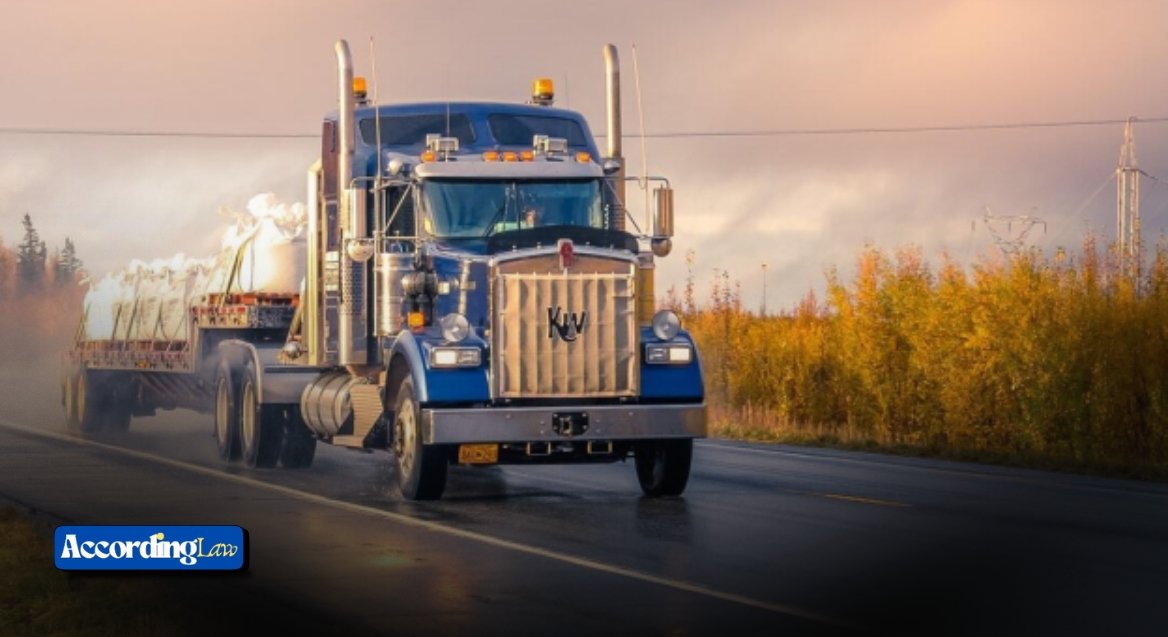
Truck accidents can lead to serious damage and injuries. These cases are often more complex than regular car accidents. This is because many people or groups may share responsibility.
Learn how liability is determined in truck accidents, including driver, company, and third-party responsibilities in personal injury claims. Continue reading to discover everything you need to know.
Table of Contents
What Liability Means in Truck Accidents
Liability means who is legally responsible for the accident. In truck accidents, this can involve more than one party. It depends on how the crash happened and who contributed to it.
Investigators look at evidence like reports, photos, and witness statements. They also check driving records and vehicle condition. This helps determine who should be held accountable.
The Role of the Truck Driver
Truck drivers are often the first to be reviewed in an accident case. They must follow traffic laws and safety rules. If they are careless, they may be found liable.
Common issues include speeding, fatigue, or distracted driving. Driving long hours without rest is also a risk factor. These actions can directly cause serious crashes.
Responsibility of Trucking Companies
Trucking companies may also be responsible for accidents. They must train drivers and maintain vehicles properly. If they fail in these duties, they can be held liable.
Some companies pressure drivers to meet tight deadlines. This can lead to unsafe driving behavior. Poor hiring practices can also increase accident risks.
Midland Truck Accident Law Firm often reviews company policies to find negligence. They check if safety rules were ignored or violated. This helps build strong personal injury claims.
Third-Party Liability in Truck Accidents
Sometimes other parties contribute to a crash. These may include maintenance providers or cargo loaders. Even manufacturers can be involved if a part fails.
If a truck part is defective, the maker may be responsible. If cargo is not loaded properly, it can cause an imbalance. These factors can lead to serious road accidents.
Evidence Used to Determine Fault
Evidence plays a major role in truck accident cases. Police reports are usually the first source of information. They describe what happened at the scene.
Black box data from the truck is also important. It shows speed, braking, and driving patterns. This helps reconstruct the accident accurately.
Common Causes of Truck Accidents
Many truck accidents happen due to human error. Fatigue is one of the most common causes. Drivers may also become distracted by devices.
Weather conditions can also increase the risk. Rain, fog, or ice can make roads dangerous. Poor maintenance of trucks adds to the problem.
How Insurance Companies Handle Claims
Insurance companies review all evidence carefully. They try to determine who is most at fault. This affects how compensation is paid.
Multiple insurance policies may be involved. Each party may have separate coverage. This can make the claims process more complicated.
Why Legal Support Matters
Truck accident claims can be difficult to handle alone. There are many laws and regulations involved. Legal guidance helps ensure fair treatment.
Lawyers can negotiate with insurance companies. They also gather strong evidence to support claims. This improves the chance of fair compensation.
Evidence, Responsibility, and Fair Outcomes
Understanding liability in truck accidents is important for injury claims. Many parties may share responsibility, including drivers, companies, and third parties. Each case requires careful investigation and evidence.
With proper knowledge and support, victims can better protect their rights. Legal guidance helps simplify complex claims. This leads to fairer outcomes and better recovery for those affected.