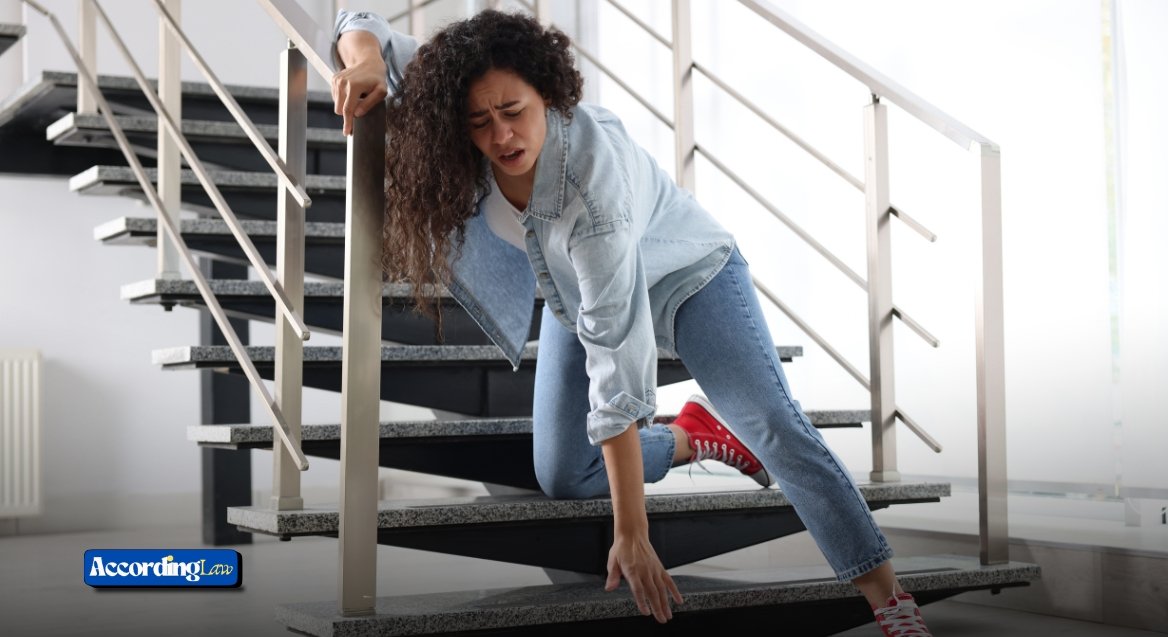
You might be dealing with more than a sore back or a bruised knee right now. A trip and fall can change an ordinary day in a split second, and once the shock wears off, what follows is often pain, missed work, medical bills, and the uneasy question of whether the accident could have been prevented. If that sounds familiar, you are not overreacting. These incidents can have real physical, financial, and legal consequences.
In simple terms, the most common causes of trip and fall accidents in Pennsylvania include wet floors, uneven walking surfaces, poor lighting, cluttered pathways, loose mats or rugs, broken stairs, and unsafe property maintenance. Knowing what caused the fall can help you protect your health and decide whether you may need a personal injury lawyer. Visit the phillyslipandfallguys to learn more.
Table of Contents
Why Do Slip, Trip, and Fall Hazards Cause So Many Problems?
Most people do not leave home expecting to end the day in an urgent care clinic or emergency room. Yet falls happen in grocery stores, apartment buildings, office entrances, parking lots, nursing facilities, and private homes every day. Sometimes the danger is obvious, like a cracked sidewalk. Other times, it is easy to miss, like a dim stairwell or a curled floor mat near a doorway.
Because of this, the harm often goes beyond the fall itself. You may need imaging, follow up visits, physical therapy, or time away from work. If you are older, a fall can be even more serious. The National Institute on Aging offers helpful home safety tips for older adults, and those tips show just how many everyday hazards can lead to a hard fall.
So, where does that leave you? It usually starts with one key question. What actually caused the accident?
What Are the Most Common Causes of Fall Injuries on Pennsylvania Properties?
Property owners and businesses have a duty to keep walkways reasonably safe. When they do not, common hazards can quickly turn into painful accidents. One of the biggest causes is moisture on walking surfaces. Rain tracked into a lobby, a spilled drink in a store aisle, or a freshly mopped floor without warning signs can all create danger. The Occupational Safety and Health Administration explains many of these walking and working surface hazards in plain language.
Uneven surfaces are another frequent problem. Sidewalk cracks, potholes, loose tiles, warped flooring, and sudden changes in elevation can catch a shoe and send someone forward before they even understand what happened. In apartment complexes and older buildings, broken steps or missing handrails can make stairways especially risky.
Poor lighting matters more than many people realize. If you cannot clearly see a curb, a torn carpet edge, or a step down, your body has less time to react. Add cluttered walkways, extension cords, boxes, or debris, and the risk grows fast.
There is also a human side to this. A person rushing through a store, carrying bags, walking in bad weather, or helping a child may not notice a hazard in time. That does not always mean the fall was their fault. In many cases, the unsafe condition should have been fixed, blocked off, or clearly warned about.
How Do These Hazards Compare, and Why Does the Cause Matter?
Not every fall happens for the same reason, and that matters when you are trying to understand what evidence may support a claim. A wet floor may call for photos, witness statements, and cleaning logs. A broken stair may require repair records or proof that the defect existed long enough for the owner to address it.
| Hazard | Common Example | Why It Causes Falls | Helpful Evidence |
|---|---|---|---|
| Wet or slippery floors | Spills, tracked rain, fresh mopping | Reduces traction and causes sudden loss of balance | Photos, surveillance video, incident reports |
| Uneven walking surfaces | Cracked sidewalks, loose tiles, potholes | Catches the foot and interrupts normal stride | Close up photos, maintenance records, witness accounts |
| Poor lighting | Dark stairwells, dim parking areas | Makes hazards hard to see in time to avoid them | Photos at same time of day, complaints, inspection records |
| Loose mats or rugs | Curled entry mat, unsecured runner | Creates an edge that can snag a shoe | Photos, store policies, witness statements |
| Clutter or obstacles | Boxes, cords, merchandise in walkway | Blocks safe passage and creates tripping points | Photos, employee reports, video footage |
The Centers for Disease Control and Prevention also explains the broader impact of falls and the risk factors tied to fall related injuries. While that resource looks at falls from a safety perspective, the takeaway is clear. Falls are common, serious, and often preventable.
What Can You Do Right Away After a Trip and Fall Accident?
If you are trying to sort out what happened, a few early steps can make a real difference. Why does that matter? Because conditions change fast. Spills get cleaned, debris gets moved, and memories fade.
1. Get medical care and follow through.
Even if you think you are just shaken up, get checked out. Some injuries, especially head injuries, soft tissue damage, and fractures, may not feel severe right away. Medical records also connect the accident to your injuries in a clear timeline.
2. Document the scene before it changes.
Take photos of the hazard, your shoes, your injuries, and the surrounding area. If anyone saw the fall, ask for their name and contact information. If the incident happened at a business, report it and ask how the event will be recorded.
3. Speak with a personal injury lawyer before giving detailed statements.
When a property owner or insurer gets involved, the conversation can shift quickly from concern to damage control. A trip and fall lawyer or other personal injury lawyer can help you understand liability, evidence, deadlines, and what your claim may involve before you say something that could be used against you later.
When Should You Take the Next Step?
If your fall happened because of a dangerous condition that should have been fixed, you do not have to carry the confusion alone. The common causes of slip and fall incidents are often preventable, and when preventable hazards lead to injury, it is reasonable to ask whether someone else failed in their duty to keep the property safe.
You deserve time to heal and clear guidance about your options. If you are facing pain, bills, or uncertainty after a fall, speaking with a legal professional can help you understand what comes next and whether you may have a claim worth pursuing.