

According Law
  • Intellectual & Personal Law
    • Intellectual Property
    • Personal Injury Law
  • Legal Practice Areas
    • Family Law
    • Employment Law
    • Criminal Defense
  • Property & Financial Law
    • Tax Law
    • Real Estate
    • Bankruptcy Law
  • Legal Updates
No Result
View All Result
  • Intellectual & Personal Law
    • Intellectual Property
    • Personal Injury Law
  • Legal Practice Areas
    • Family Law
    • Employment Law
    • Criminal Defense
  • Property & Financial Law
    • Tax Law
    • Real Estate
    • Bankruptcy Law
  • Legal Updates
No Result
View All Result
According Law
No Result
View All Result
Home Uncategorized

Virginia Auto Insurance Law Changes & Uninsured Motorist Claims

Lucas Leo by Lucas Leo
August 22, 2026
0
Virginia Auto Insurance Law Changes & Uninsured Motorist Claims
Share on FacebookShare on Twitter

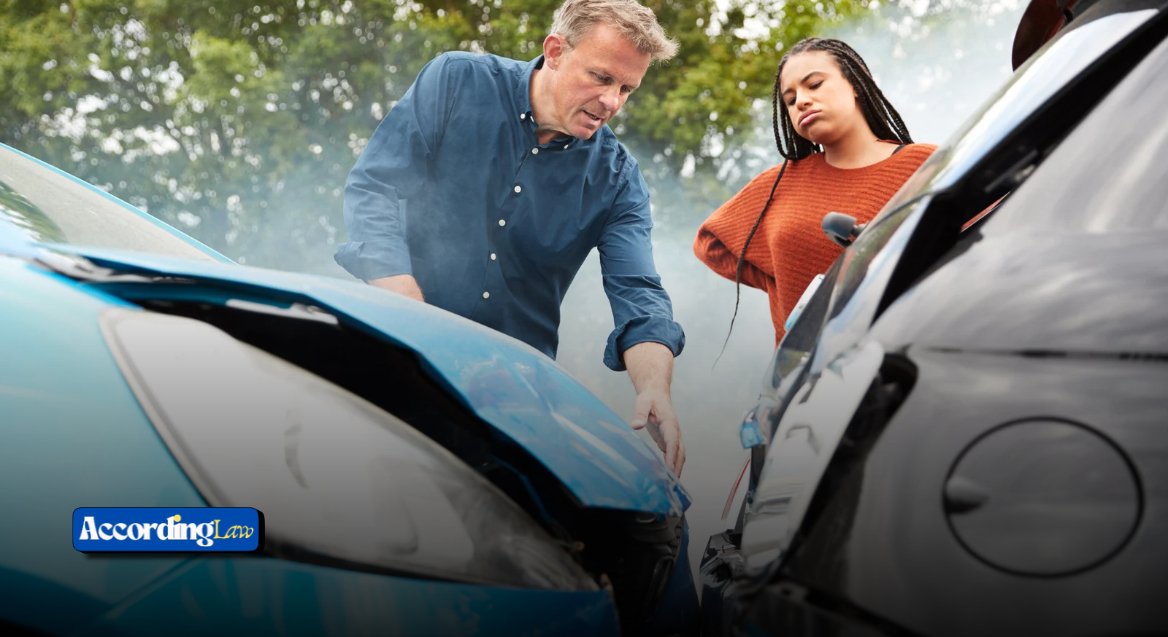
A serious motor vehicle collision can disrupt your life in an instant. Beyond physical pain and emotional distress, crash victims frequently face mounting medical bills, lost wages, and confusion surrounding insurance claims. In recent years, navigating the aftermath of an accident in Virginia has become uniquely complex due to significant statutory updates governing auto insurance requirements.

Understanding these legislative changes and knowing how uninsured and underinsured motorist (UM/UIM) coverage works is critical to protecting your financial recovery after an accident.

Table of Contents

  • Virginia’s Auto Insurance Law Overhaul: Key Legislative Updates
  • The Role of Uninsured and Underinsured Motorist Coverage
  • Common Challenges in Uninsured Motorist Claims
  • Steps to Take After an Accident with an Uninsured Driver
  • Securing Full Compensation for Your Injuries

Virginia’s Auto Insurance Law Overhaul: Key Legislative Updates

Historically, Virginia was one of the few states that allowed motorists to register a vehicle without purchasing liability insurance by paying a $500 Uninsured Motorist Vehicle (UMV) fee. However, state lawmakers voted to eliminate this option, shifting Virginia toward standard compulsory insurance requirements.

In addition to phasing out the UMV fee, Virginia significantly increased its mandatory minimum liability limits:

  • Bodily Injury per Person: Increased from $30,000 to $50,000.
  • Bodily Injury per Accident: Increased from $60,000 to $100,000.
  • Property Damage per Accident: Increased from $20,000 to $25,000.

While higher mandatory policy limits provide greater financial protection on paper, severe accidents involving traumatic brain injuries, spinal damage, or extensive surgeries often exceed minimum coverage amounts. Furthermore, despite the elimination of the uninsured fee, uninsured and underinsured drivers remain a persistent hazard on Virginia roadways.

The Role of Uninsured and Underinsured Motorist Coverage

When the driver at fault does not carry motor vehicle insurance or carries insufficient policy limits to cover total damages, your primary avenue for compensation is your own policy’s Uninsured/Underinsured Motorist (UM/UIM) coverage.

Coverage TypeUninsured Motorist (UM) CoverageUnderinsured Motorist (UIM) Coverage
When It AppliesApplies when the at-fault driver carries no insurance or in hit-and-run incidents.Applies when the at-fault driver carries insurance, but their policy limits are lower than your total calculated damages.

Under Virginia law, UM/UIM coverage is automatically included in standard liability policies unless specifically rejected in writing. When an at-fault motorist lacks sufficient insurance, your insurer steps into the shoes of the responsible party to cover medical expenses, lost wages, and non-economic losses such as pain and suffering.

Understanding Policy Stacking

One crucial feature of Virginia insurance law involves policy stacking. If an injured individual or household holds multiple auto insurance policies or insures multiple vehicles under a single policy with separate premiums they may be eligible to stack their UIM coverage limits. Stacking significantly expands the total pool of compensation available for catastrophic injuries, making it a critical component of personal injury evaluations.

Common Challenges in Uninsured Motorist Claims

Many policyholders assume that filing a claim with their own insurance company will be straightforward. However, UM/UIM claims operate adversarially. Because your insurer is responsible for paying damages out of its own funds, adjusters use similar tactics as the opposing party’s insurance company to minimize payout values.

Common obstacles in UM and UIM claims include:

  • Disputed Liability:

    Insurance carriers may argue that you were partially at fault for the crash. Because Virginia adheres to the strict rule of contributory negligence, proving you were 0% at fault is mandatory to recover any compensation.
  • Disputed Damages:

    Adjusters often question the medical necessity of treatments, attribute injuries to pre-existing conditions, or lowball non-economic pain and suffering evaluations.
  • Strict Policy Deadlines:

    UM policies mandate immediate written notice following a collision, particularly in hit-and-run scenarios where swift reporting to law enforcement is required.

Navigating these evidentiary requirements while managing recovery can be overwhelming. Consulting an experienced Richmond personal injury lawyer ensures that key policy provisions are reviewed, hidden coverage sources are identified, and your legal rights are safeguarded against insurance company pushback.

Steps to Take After an Accident with an Uninsured Driver

If you are involved in a crash where you suspect the other driver is uninsured or underinsured, taking immediate, deliberate action can protect your claim:

  • Call Law Enforcement: Always obtain an official police crash report documenting the event, driver details, and statements from witnesses.
  • Seek Prompt Medical Care: Visit an emergency room or urgent care facility right away. Consistent medical records establish a direct causal connection between the accident and your injuries.
  • Gather Evidence: Take photos of vehicle damage, road conditions, traffic signals, and visible physical injuries.
  • Avoid Quick Settlement Offers: Do not sign medical releases or accept initial settlement checks from an insurer before determining the full extent of long-term medical requirements and overall policy limits.

Securing Full Compensation for Your Injuries

State policy updates have improved base liability limits, but navigating insurance claims remains a complex process. Maximizing your recovery requires a comprehensive analysis of available coverage, including personal auto insurance policies, resident relative policies, commercial layers, and UM/UIM stacking rules.

By understanding your rights under Virginia law and seeking qualified legal guidance, you can effectively address coverage gaps, counter unfair insurer tactics, and secure the financial resources needed for long-term recovery.

Lucas Leo

Lucas Leo

Hi, I’m Lucas Leo, an author and writer at AccordingLaw.com. I’m passionate about delivering the latest legal news and updates according law to keep you informed. Join me as I explore and share insights into the ever-evolving world of law!

Related Posts

Why Injury Victims Should Never Delay in Seeking Legal Advice
Personal Injury Law

Why Injury Victims Should Never Delay in Seeking Legal Advice

by Lucas Leo
August 17, 2026
0

Washington’s busy highways, urban streets, workplaces, and public spaces expose residents and visitors to countless situations where an unexpected injury...

Read moreDetails

How Multi-Practice Legal Team Handle Cases Across Disciplines

Why Pedestrian Accident Cases Need Dedicated Legal Attention

  • About
  • Contact
  • Privacy Policy
Email: contact@accordinglaw.com

Disclaimer: The content on According Law is for informational purposes only and should not be construed as legal advice. Always consult a qualified attorney for professional legal guidance.

© 2024 According Law - All Rights Reserved.

No Result
View All Result
  • Intellectual & Personal Law
    • Intellectual Property
    • Personal Injury Law
  • Legal Practice Areas
    • Family Law
    • Employment Law
    • Criminal Defense
  • Property & Financial Law
    • Tax Law
    • Real Estate
    • Bankruptcy Law
  • Legal Updates

Disclaimer: The content on According Law is for informational purposes only and should not be construed as legal advice. Always consult a qualified attorney for professional legal guidance.

© 2024 According Law - All Rights Reserved.

This website uses cookies. By continuing to use this website you are giving consent to cookies being used. Visit our Privacy and Cookie Policy.