

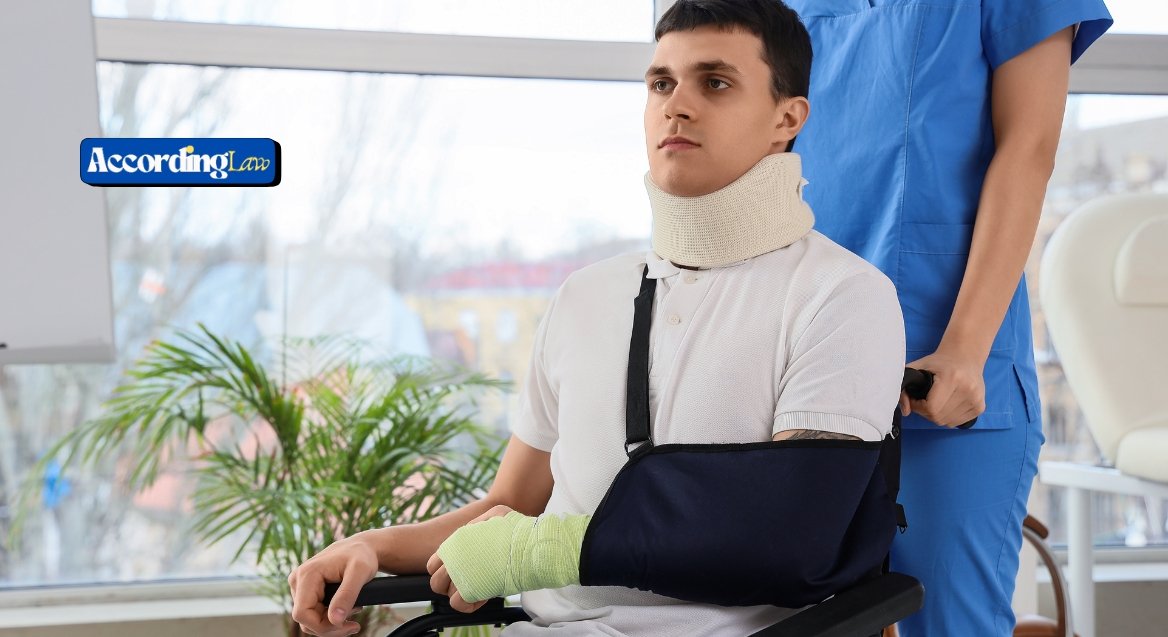
Home healthcare services might be necessary after an injury if your medical condition limits your ability to care for yourself safely or finish essential parts of your recovery without assistance. You might need professional care at home temporarily after leaving the hospital or for a longer period when your injury causes lasting or serious limitations.
Recovering at home doesn’t always mean you’re ready to manage things on your own. An injury can impact everything from mobility and strength to coordination and memory. Your ability to handle routine activities, such as meal preparation or bathing, might also be compromised. Understanding why home healthcare is needed can also become important if someone else caused your injury and you’re seeking compensation for the full cost of your recovery.
Table of Contents
When an Injury May Require Home Healthcare
The need for home healthcare typically depends on what you can safely do after you leave a hospital, rehab center, or other medical facility. You might be medically stable enough to go home yet still unable to do things safely, ranging from walking without assistance and managing stairs to using the bathroom or even getting in and out of bed. A doctor might recommend home services when these limitations pose a risk of falls, complications, or other injuries.
Some injuries require skilled medical care that continues long after your hospital stay. For instance, severe burns or surgical wounds might need regular dressing changes and monitoring for infection.
A home health nurse might also monitor vital signs, administer certain medications, or assess whether your recovery is progressing as expected. These are medical services that typically require trained professionals instead of help from friends or relatives.
Home healthcare can also play a significant role following orthopedic injuries. Multiple broken bones, a spinal injury, or a serious leg fracture can make ordinary movement difficult for weeks or months. Physical and occupational therapists can sometimes provide treatment in the comfort of your own home; this helps you rebuild strength and learn safer ways to handle everyday activities while your mobility remains limited.
Traumatic brain injuries can present a different set of challenges. Even if you can physically move around your home, you might experience situations ranging from confusion and memory problems to poor balance and trouble following medication schedules. In more serious cases, supervision might be necessary because your awareness and judgment have been affected. Someone who appears physically independent might still be unable to remain at home safely without support.
Your living situation matters, too. An injury that’s manageable for someone living with an able-bodied spouse or relative could leave a person who lives alone needing outside assistance. Stairs, narrow bathrooms, and other features of your home might complicate your recovery, especially if you use a walker, wheelchair, or crutches.
Going home and being totally independent aren’t the same thing.
What Home Healthcare Services Can Include
Home healthcare isn’t a singular kind of service.
Depending on your injuries, your care plan might involve anyone from nurses and physical therapists to home health aides and occupational therapists, among many other potential professionals. The goal is typically to deliver the level of assistance you need without requiring you to stay in a hospital or residential rehabilitation facility.
Skilled nursing services address medical needs that can’t be reasonably handled through ordinary household assistance. A nurse might monitor a wound or check for signs of complications, but they can also provide injections and help manage medical equipment. Your doctor might adjust the frequency of these visits as your condition improves.
Therapy services put more direct focus on restoring function. Physical therapy might help you improve strength, balance, and range of motion, whereas occupational therapy might emphasize practical tasks, including cooking, dressing, and bathing. Therapy may even identify home modifications or equipment that make daily life safer and easier.
Why Home Healthcare Costs Matter in a Personal Injury Claim
Home healthcare can be a substantial expense following a serious injury, especially if assistance is necessary on a daily basis. If another person or a business is legally responsible for your injuries, then reasonable and necessary healthcare expenses might be part of the damages you seek. An experienced personal injury lawyer like those at Pittman, Roberts & Welsh might review medical bills, records, care plans, and other documentation when evaluating these losses.
Documentation is especially vital because home care needs can change. You may initially require several hours of daily assistance, but you will gradually need less as you regain your mobility. In other cases, doctors might determine that an injury has resulted in permanent limitations; some level of assistance might be necessary for years. Medical records and recommendations can help establish why these services are necessary and how long that need is expected to continue in your life.
Unpaid assistance from relatives is often helpful and necessary, but it can also complicate the picture. A partner, adult child, or other family member might spend significant time helping you with everything from bathing and dressing to traveling to appointments and performing household tasks you handled yourself previously. The way this care is handled in an injury claim depends on the applicable law and circumstances. A personal injury lawyer can help determine whether and how those services should be documented as part of your damages.
Care still has value, even when a family member provides it.
Plan for Care During Your Recovery
The need for home healthcare after an injury is ultimately based on many factors, ranging from your medical condition and functional limitations to your living situation and expected recovery. Some people only need a few therapy or nursing visits, whereas others require long-term care or daily assistance. Follow all the medical recommendations you receive, and keep records of the services provided. This gives you a clearer picture of both your recovery needs and the financial impact the injury has had on your life.