
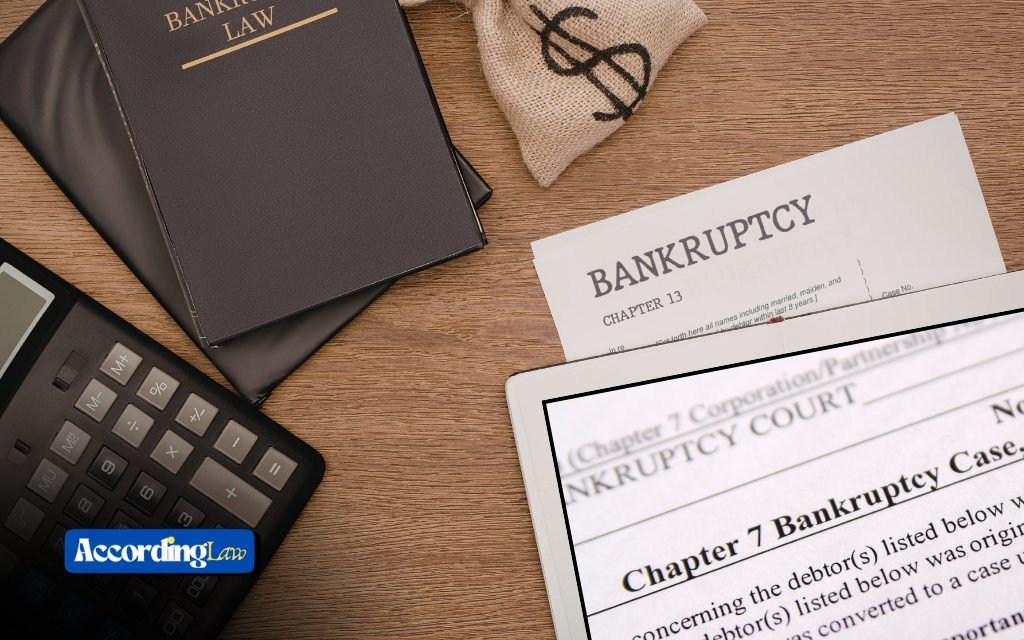
Facing bankruptcy may feel overwhelming, especially when deciding between Chapter 7 and Chapter 13 in Orlando. Understanding the differences can lead you to a clearer financial path. In a challenging time like this, knowing your options empowers you to make informed choices. Chapter 7 Business Bankruptcy offers debt relief by liquidating assets, erasing debts. It suits individuals and businesses seeking a fresh start.
Meanwhile, Chapter 13 allows you to keep assets, reorganizing debts into a manageable payment plan. It works well if securing your home or car is a priority. Knowing the details of these options helps you choose the right path for your situation. Each path provides unique benefits. Your choice can significantly impact your financial recovery and stability. We are here to guide you through these choices with empathy and clarity. With the right information, you can navigate these difficult waters confidently and move toward financial health.
Table of Contents
Understanding Chapter 7 Bankruptcy
Chapter 7 is often referred to as liquidation bankruptcy. It involves selling non-exempt assets to pay off creditors. Most unsecured debts are then wiped clean, allowing a fresh start. This route suits those with limited income who find it hard to meet obligations. The process typically lasts three to six months.
However, not everyone qualifies. You must pass a means test, which examines your income against the median in your state. For detailed guidance, visit the United States Courts website. Note that luxury items beyond basic needs could be sold. Yet, essential items like basic clothing, household goods, and tools for work are shielded.
Exploring Chapter 13 Bankruptcy
Chapter 13 is suited for those who can pay creditors over time. You propose a three to five-year payment plan to the court. This allows you to retain assets such as your house or car. It can prevent foreclosure or repossession, giving you a chance to catch up on overdue payments.
Unlike Chapter 7, your debts are not erased but reorganized. A steady income source is crucial to follow the payment plan. To learn more about eligibility and requirements for Chapter 13, consider reviewing resources available at Nolo’s guide to Chapter 13 bankruptcy.
Comparing Chapter 7 and Chapter 13
The decision between Chapter 7 and Chapter 13 varies based on individual goals and financial circumstances. Below is a simple comparison:
| Aspect | Chapter 7 | Chapter 13 |
| Asset Retention | Limited | Retain most assets |
| Debt Discharge | Most debts | Reorganized, not discharged |
| Payment Plan | None | 3-5 years |
| Time to Complete | 3-6 months | 3-5 years |
| Eligibility | Means test required | Stable income required |
Choosing the Right Path
Your choice should reflect your financial situation and personal goals. If you have minimal assets and qualify, Chapter 7 may offer swift relief. However, if keeping your home is essential, Chapter 13 might be better.
Consulting with a qualified attorney can provide insights tailored to your case. Professionals can help navigate paperwork and legal procedures, ensuring you meet all obligations. Remember, bankruptcy is a legal tool, not a failure. It offers a way to regain control and build a stable future.
Moving Forward
After bankruptcy, focus on rebuilding credit and managing finances wisely. Establishing a budget and sticking to it can prevent future difficulties. Using credit responsibly helps restore your financial reputation over time.
Both Chapter 7 and Chapter 13 offer different paths to regain financial stability. With the right support and knowledge, you can overcome this challenging chapter and find a brighter financial future. Use available resources, seek professional help, and remember you’re not alone on this journey. By understanding your options, you take the first step toward a fresh start.