

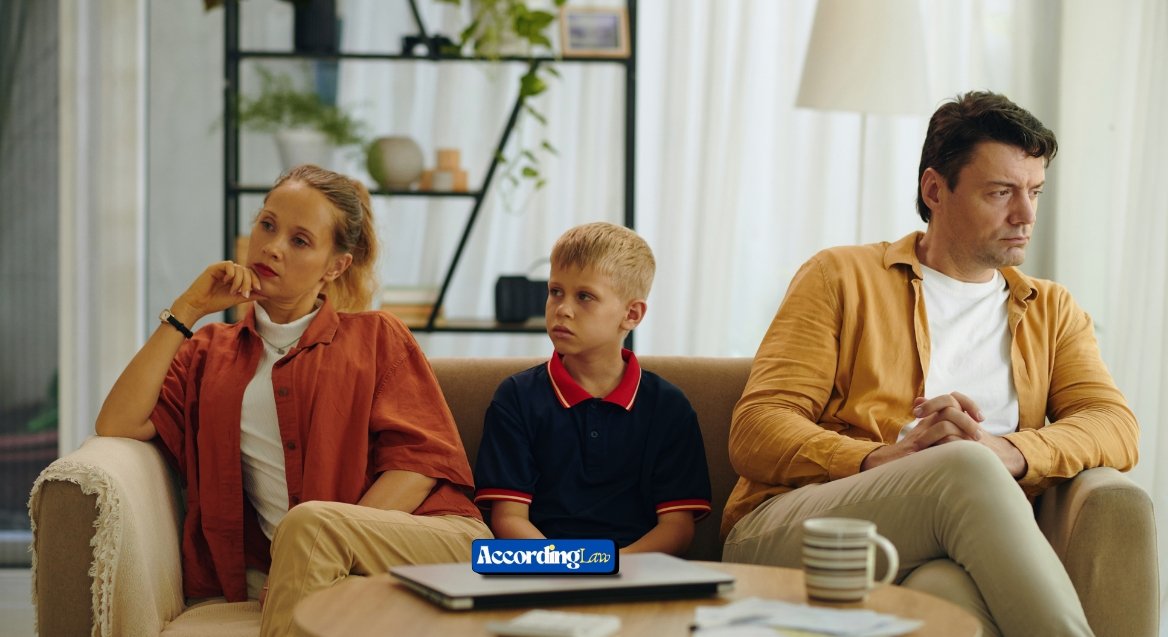
Talking to children about divorce is one of the most sensitive and important conversations a parent can have. The way this discussion is handled can significantly influence how children adjust emotionally and understand the changes happening in their family. While every situation is unique, approaching the conversation with honesty, reassurance, and stability is essential. Many parents also seek guidance from professionals such as a Troy MI Child Custody Attorney to better understand how custody arrangements may impact what and how they communicate with their children.
Prepare Yourself Before the Conversation
Before speaking with your children, it is important to prepare emotionally and practically. Parents should have a clear understanding of the situation and ideally present a united message whenever possible. Children benefit from consistency and reassurance, so aligning on key points helps avoid confusion.
Think carefully about what you want to say and how you will answer potential questions. Anticipating emotional reactions can help you respond calmly and supportively during the conversation.
Choose the Right Time and Setting
Timing and environment play a significant role in how children receive difficult news. Choose a calm, private setting where your children feel safe and comfortable. Avoid times when they are distracted, tired, or engaged in other activities.
Having the conversation in a familiar environment helps children feel more secure. It also allows them to express their feelings openly without pressure or external distractions.
Use Simple and Honest Language
When explaining divorce to children, it is important to use language they can understand. Avoid complex legal or emotional details that may overwhelm them. Instead, focus on clear and age appropriate explanations.
Honesty is essential, but it should be balanced with reassurance. Children do not need to know every detail of the situation, but they do need to understand what will change and what will remain the same in their lives.
Reassure Them They Are Not to Blame
One of the most important messages to communicate is that children are not responsible for the divorce. Many children naturally assume they may have caused or contributed to the situation, even when this is not the case.
Repeated reassurance helps alleviate feelings of guilt or confusion. Emphasizing that both parents love them and that the decision is between adults is critical for their emotional well-being.
Focus on What Will Stay the Same
Children often fear change, so it is helpful to highlight what will remain consistent in their lives. This may include their school, friends, daily routines, and relationships with both parents.
Providing a sense of stability helps reduce anxiety and gives children something familiar to hold onto during a period of transition. Clear explanations about routines and schedules can also help them feel more secure.
Be Prepared for Emotional Reactions
Children may react in different ways depending on their age and personality. Some may become quiet and withdrawn, while others may express anger, sadness, or confusion. All of these reactions are normal.
It is important to allow children to express their feelings without judgment. Listening actively and validating their emotions helps them feel heard and supported. Avoid rushing to fix their feelings or dismissing their concerns.
Avoid Speaking Negatively About the Other Parent
Maintaining respect between parents is essential when discussing divorce with children. Speaking negatively about the other parent can create confusion and emotional conflict for children, who often love both parents deeply.
Focusing on constructive and neutral language helps protect the child’s relationship with both parents. This approach supports emotional stability and reduces stress during the transition.
Provide Consistent Reassurance Over Time
One conversation is rarely enough to address all of a child’s concerns. Children may process information gradually and have new questions as they adjust. Ongoing reassurance is key to helping them feel secure.
Encourage open communication and let your children know they can come to you with questions or feelings at any time. This builds trust and supports long term emotional health.
Maintain Routines and Structure
Consistency is one of the most effective ways to help children adjust to divorce. Maintaining regular routines for meals, school, and bedtime provides a sense of normalcy during a time of change.
Predictable schedules help children feel more in control and reduce uncertainty. Even when living arrangements change, keeping daily routines as stable as possible is beneficial.
Support Healthy Co Parenting Communication
Children benefit when parents are able to communicate effectively and cooperatively. Co parenting arrangements that prioritize the child’s needs help reduce stress and confusion.
In some cases, families may refer to structured resources or legal guidance to better understand custody arrangements and responsibilities. This can help ensure that both parents remain actively involved in the child’s life in a balanced and supportive way.
Watch for Ongoing Emotional Changes
Children may continue to process the effects of divorce over time. Changes in behavior, school performance, or social interactions may indicate that they need additional support.
Staying attentive to these changes allows parents to respond appropriately. In some cases, professional counseling or support services may be helpful in assisting children through the adjustment period.
Encourage Expression Through Healthy Outlets
Children often benefit from having healthy ways to express their emotions. Activities such as drawing, writing, sports, or music can help them process feelings in a constructive way.
Encouraging these outlets allows children to release emotions in a safe and supportive environment. It also helps them develop coping skills that can be valuable during and after the transition.
Final Thoughts
Talking to children about divorce requires patience, honesty, and compassion. By focusing on reassurance, stability, and open communication, parents can help their children navigate this difficult transition in a healthy way. Every child responds differently, but consistent support and understanding make a significant difference in their emotional adjustment.
For families seeking additional insight into how custody arrangements may influence communication and parenting decisions, resources such as The Tuke Firm can provide helpful context as you move forward through this process.